


FIREFLY By Nio Review: Small Cars Don’t Have To Feel Small
Small, smart and surprisingly spirited, Nio’s Firefly proves compact EVs can still deliver big personality






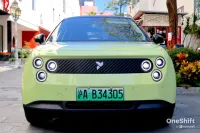
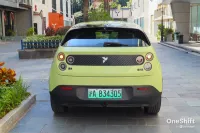
Small cars have always had an image problem. They’re usually bought with spreadsheets rather than smiles; sensible, economical, and about as emotionally engaging as a rice cooker. The Firefly however - Nio’s newest compact EV - clearly didn’t get that memo.
After a stint with it in Shenzhen - a city whose roads are somewhat similar to our little red dot’s - it became clear this isn’t just another small electric hatchback trying to be clever. It’s a genuinely well thought-out car that understands how people actually drive in dense, urban environments like Singapore.
Size Matters
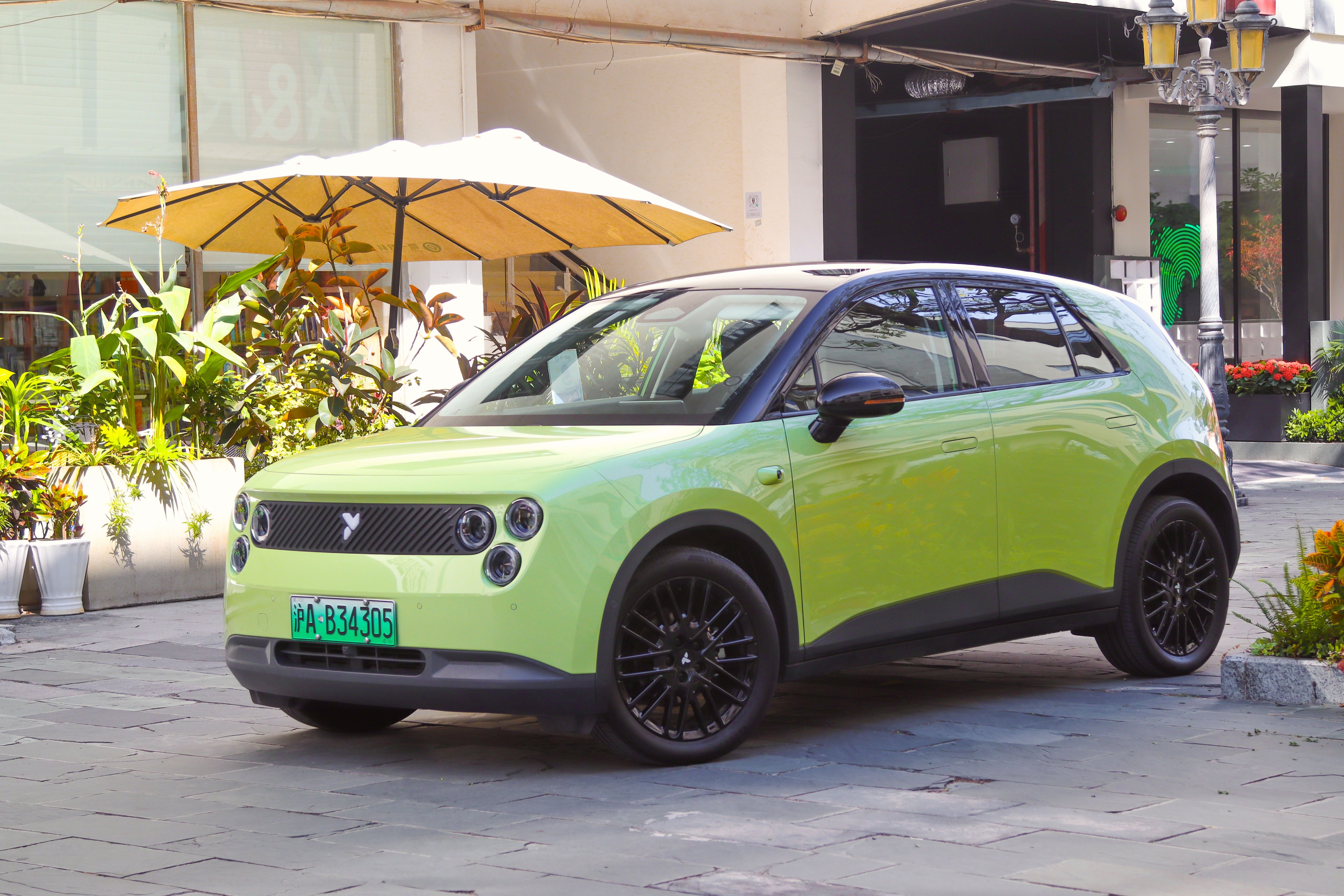
Let’s start with size, because that’s usually where the conversation begins. Measuring 4,003 mm long, 1,781 mm wide and 1,557 mm tall, with a 2,615 mm wheelbase, the Firefly sits roughly in Mazda 2 territory. Nio may aspire to MINI Cooper Electric desirability, but in Singapore, the more realistic comparison is the MINI Aceman. And that’s fine - the Firefly doesn’t try to out-MINI a MINI; it simply approaches the brief differently.
Where it immediately scores points is manoeuvrability. With a turning radius of just 4,700 mm - comfortably the best in its segment - tight U-turns, awkward multi-storey car parks and narrow estate roads become non-events. For context, the MINI Aceman needs 5,550 mm, while the BYD Atto 2 comes in at 5,250 mm. In Shenzhen, the Firefly felt almost cheeky darting through gaps and squeezing into spaces that would have other cars pausing for thought. In Singapore, that translates to less stress and fewer three-point turns.
Exterior
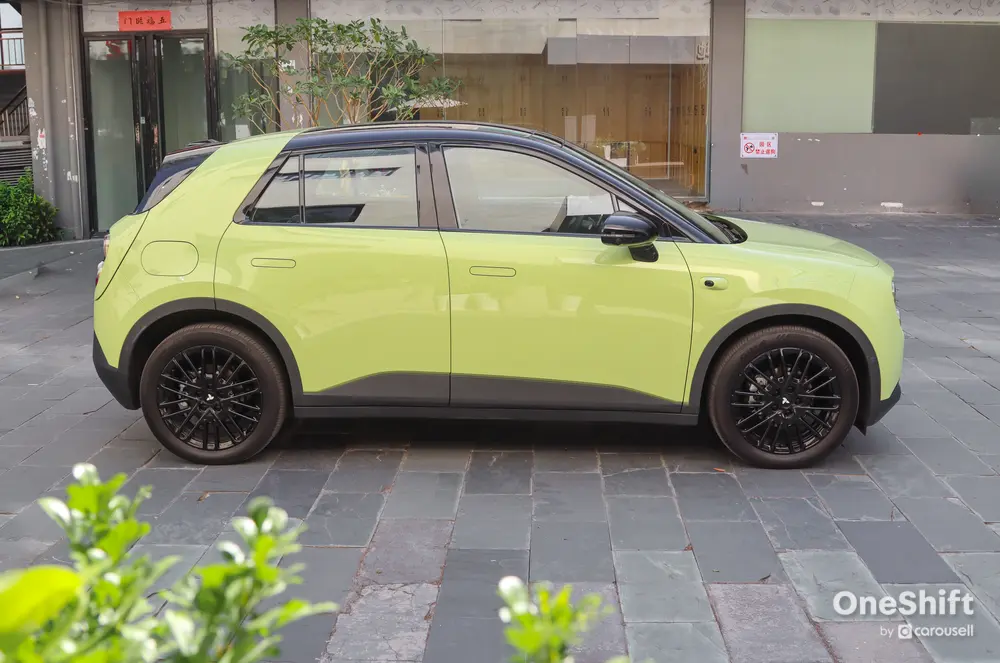
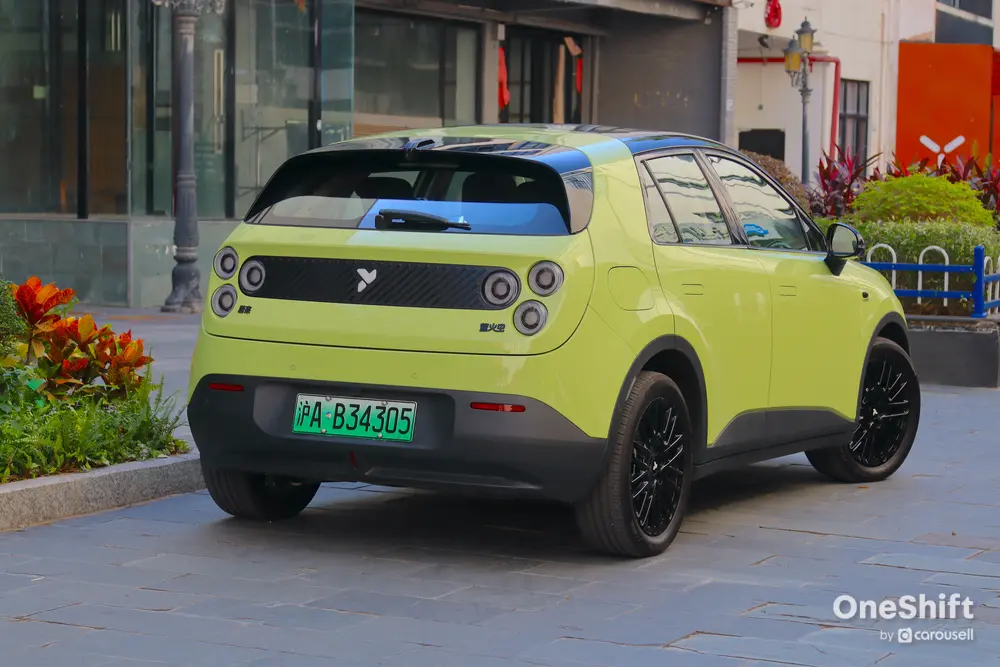
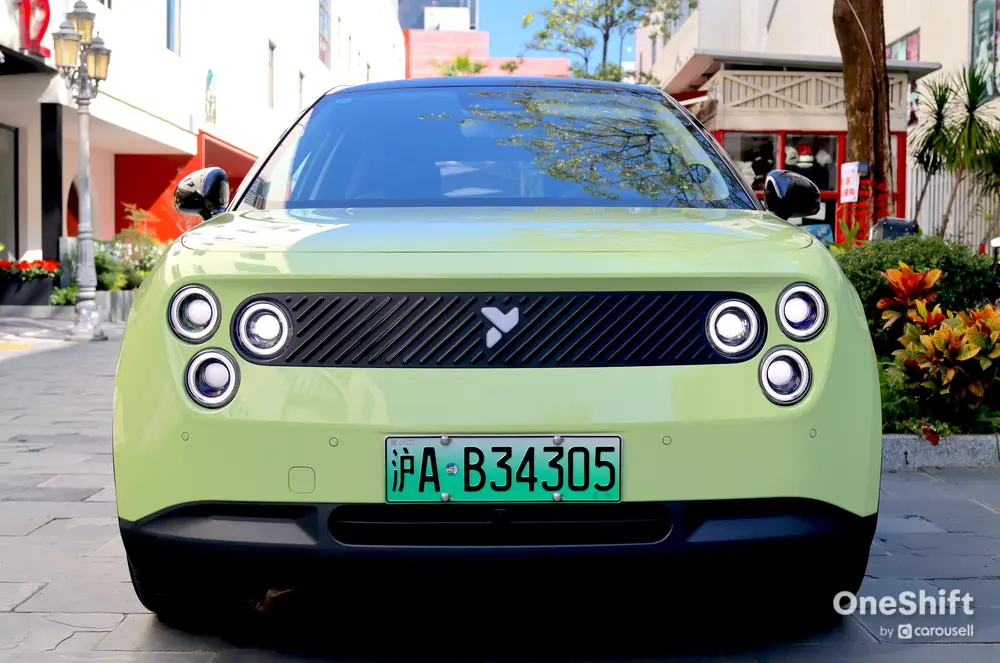
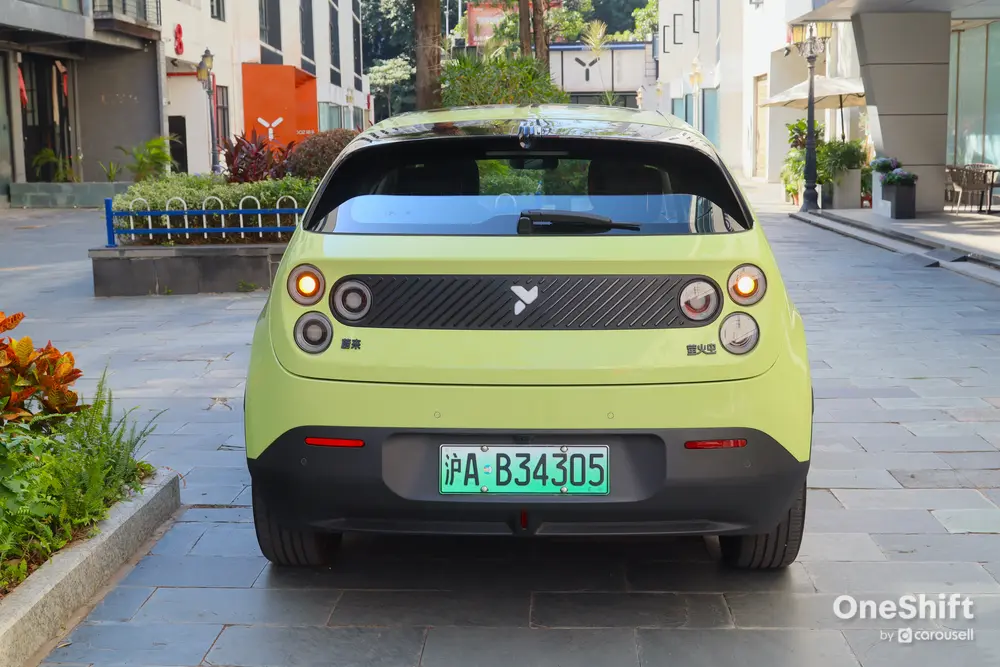
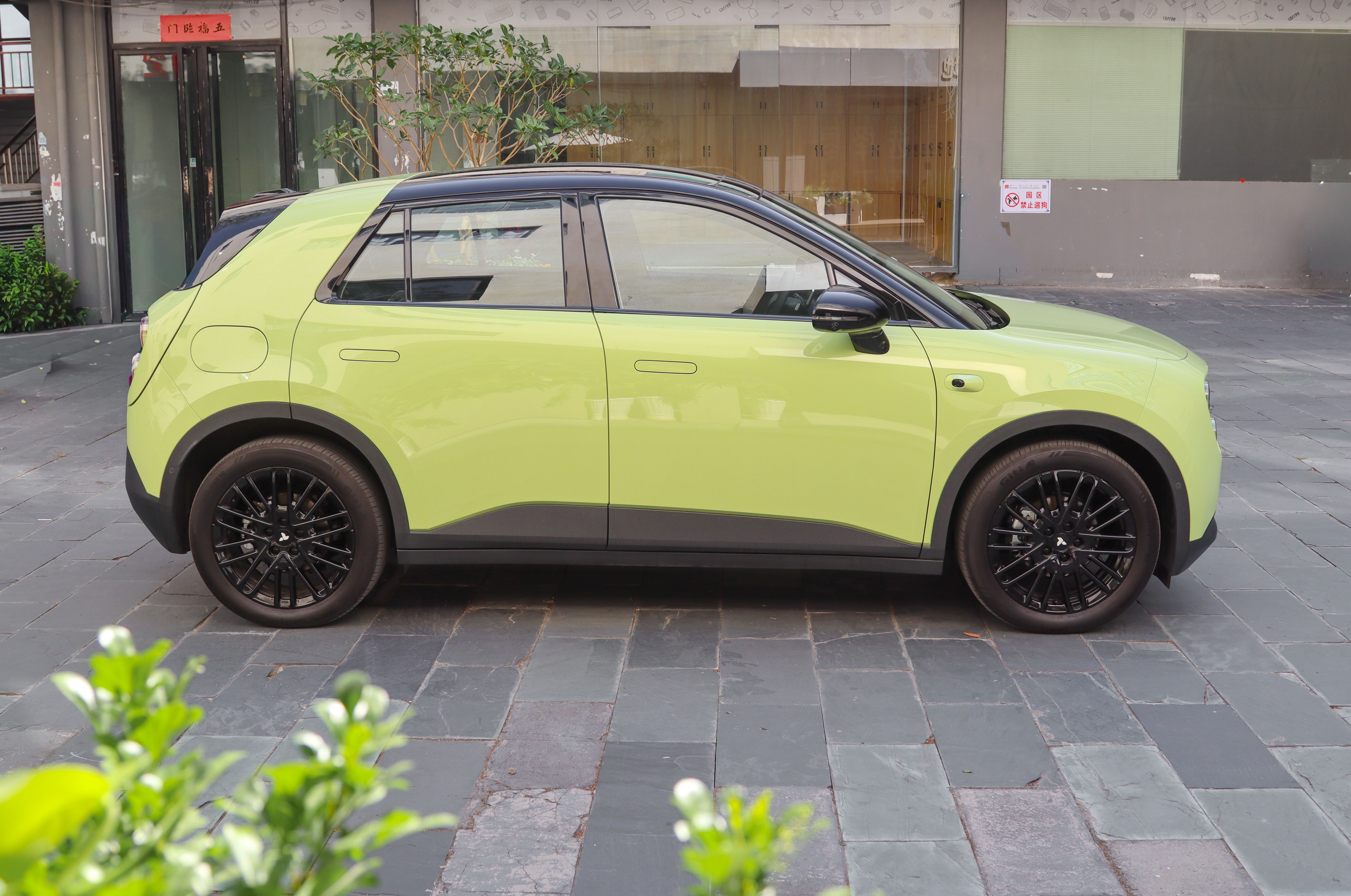
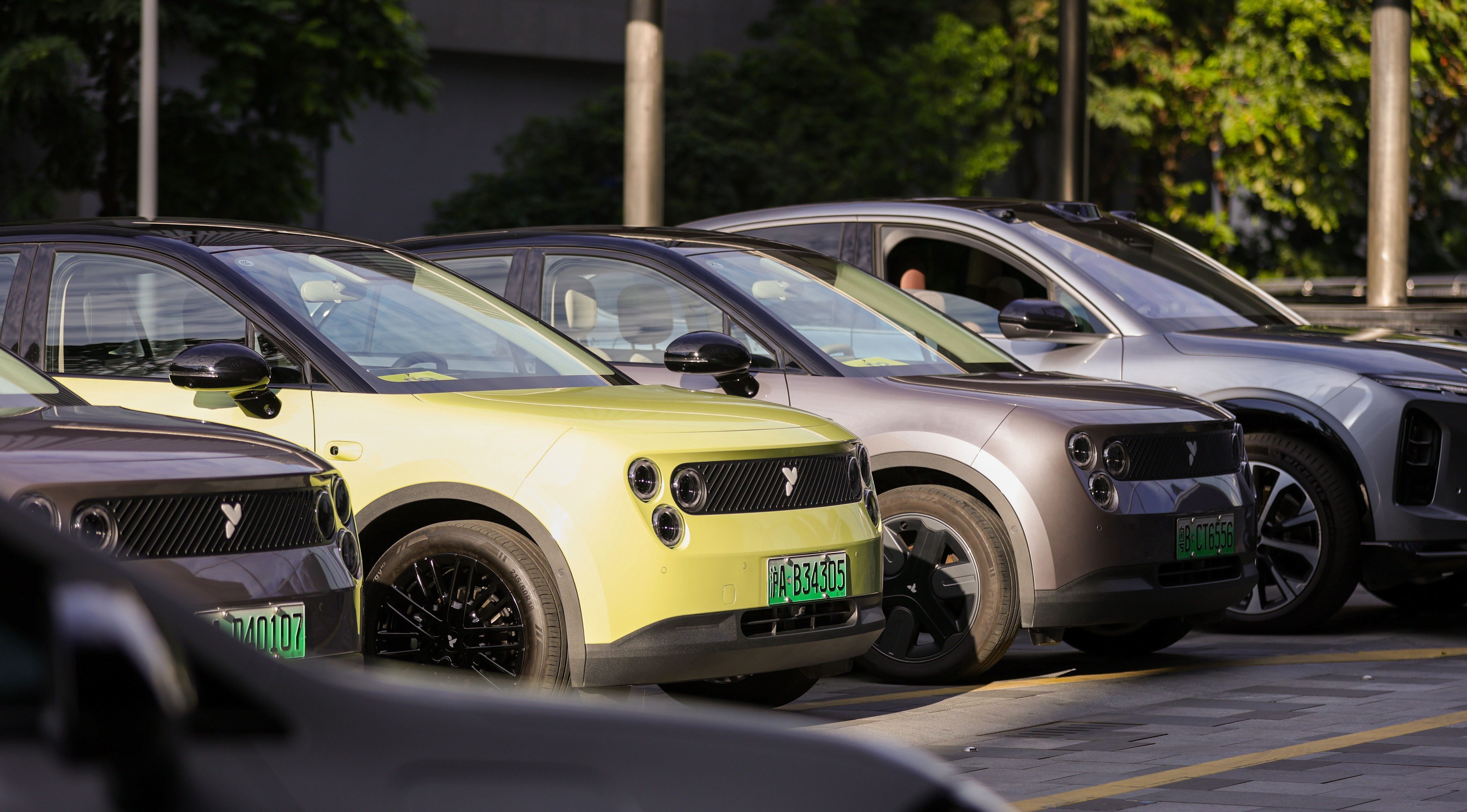
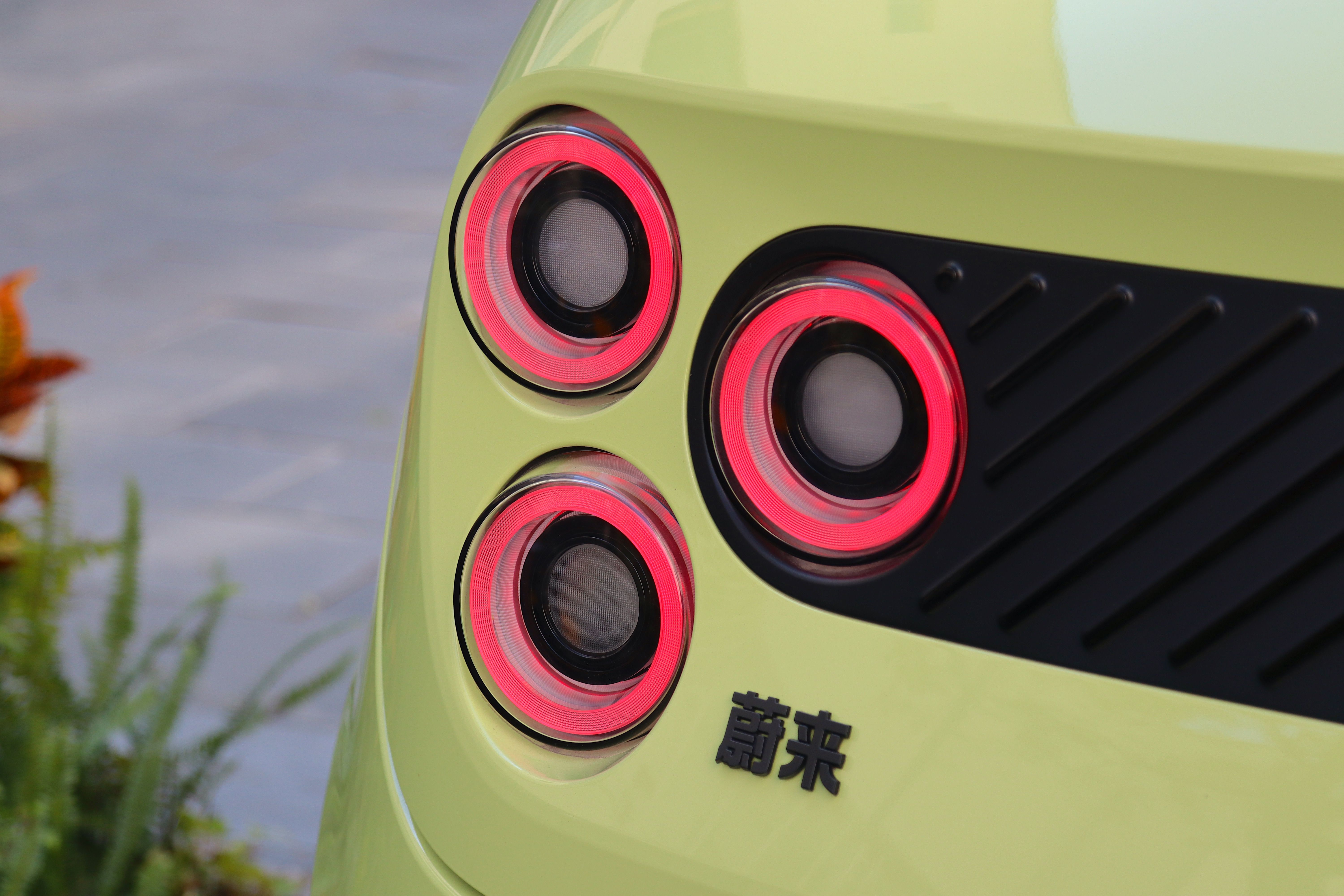
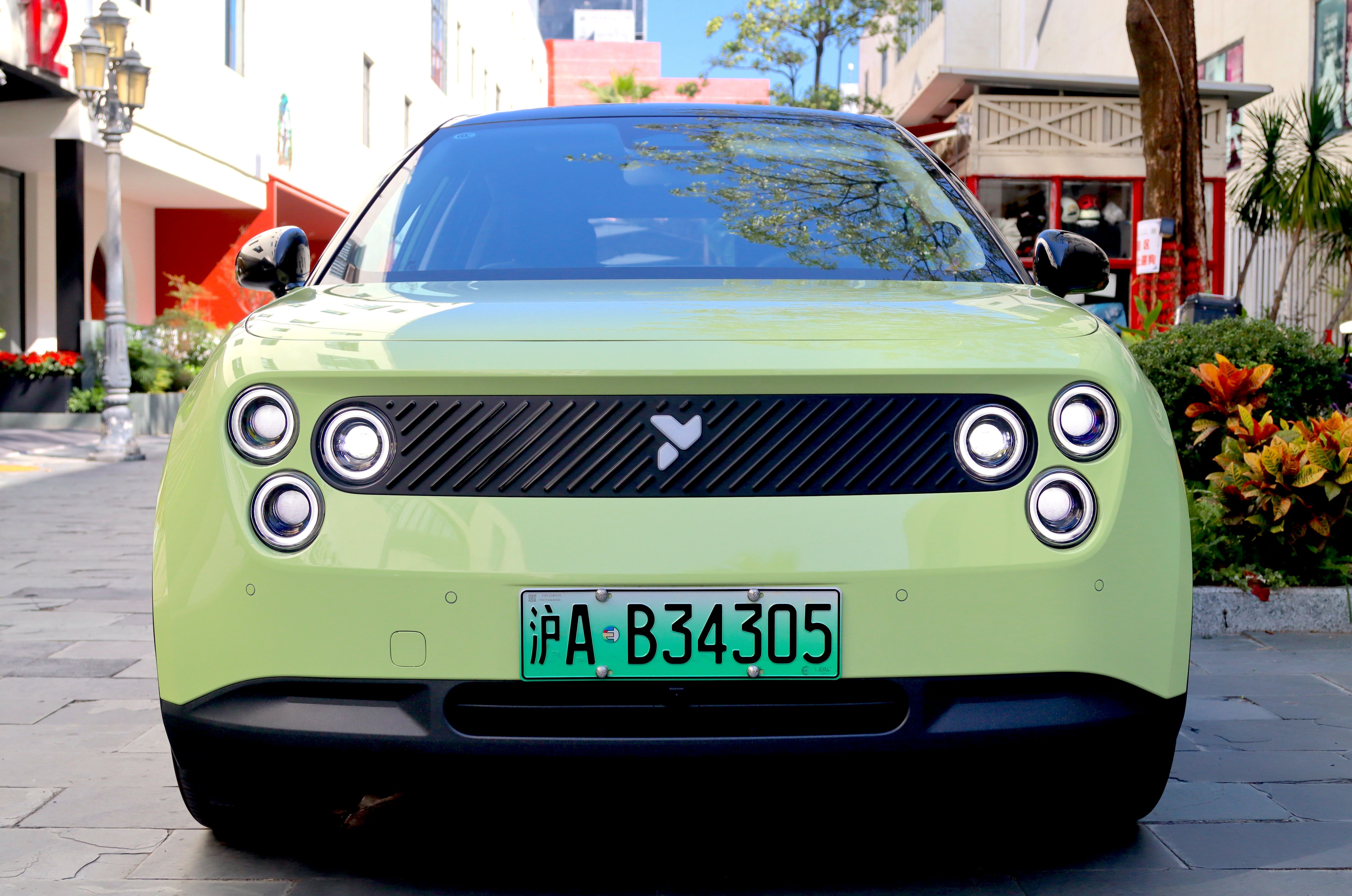
Visually, the Firefly is modern without being loud. The distinctive “trio lights” at the front and rear resemble oversized iPhone camera modules; an odd description until you see them in person, at which point it makes perfect sense. They give the car a tech-forward identity that’s instantly recognisable.
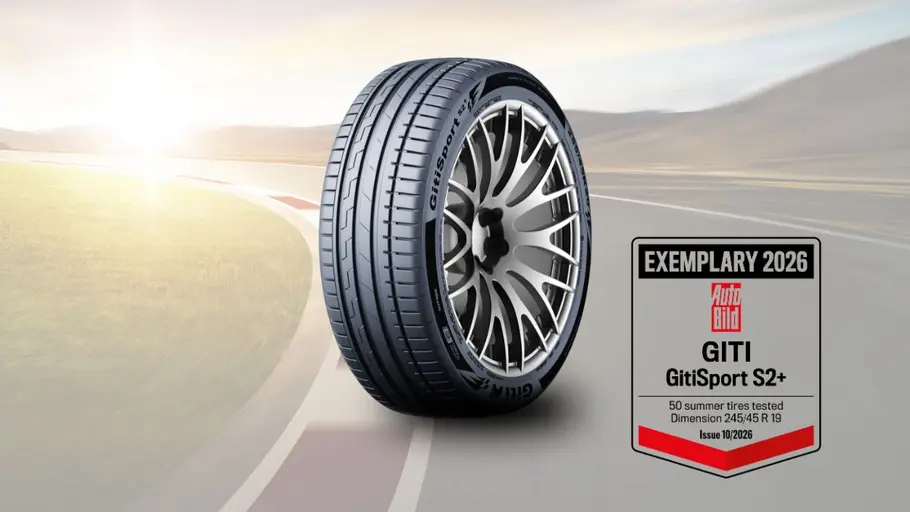
The plastic cladding around the exterior is made from sustainable materials, which feels appropriate rather than preachy, and the test car’s 18-inch wheels wrapped in 215/50 R18 GITI Synergy H2 tyres strike a pleasing balance between style and everyday comfort.
Interior
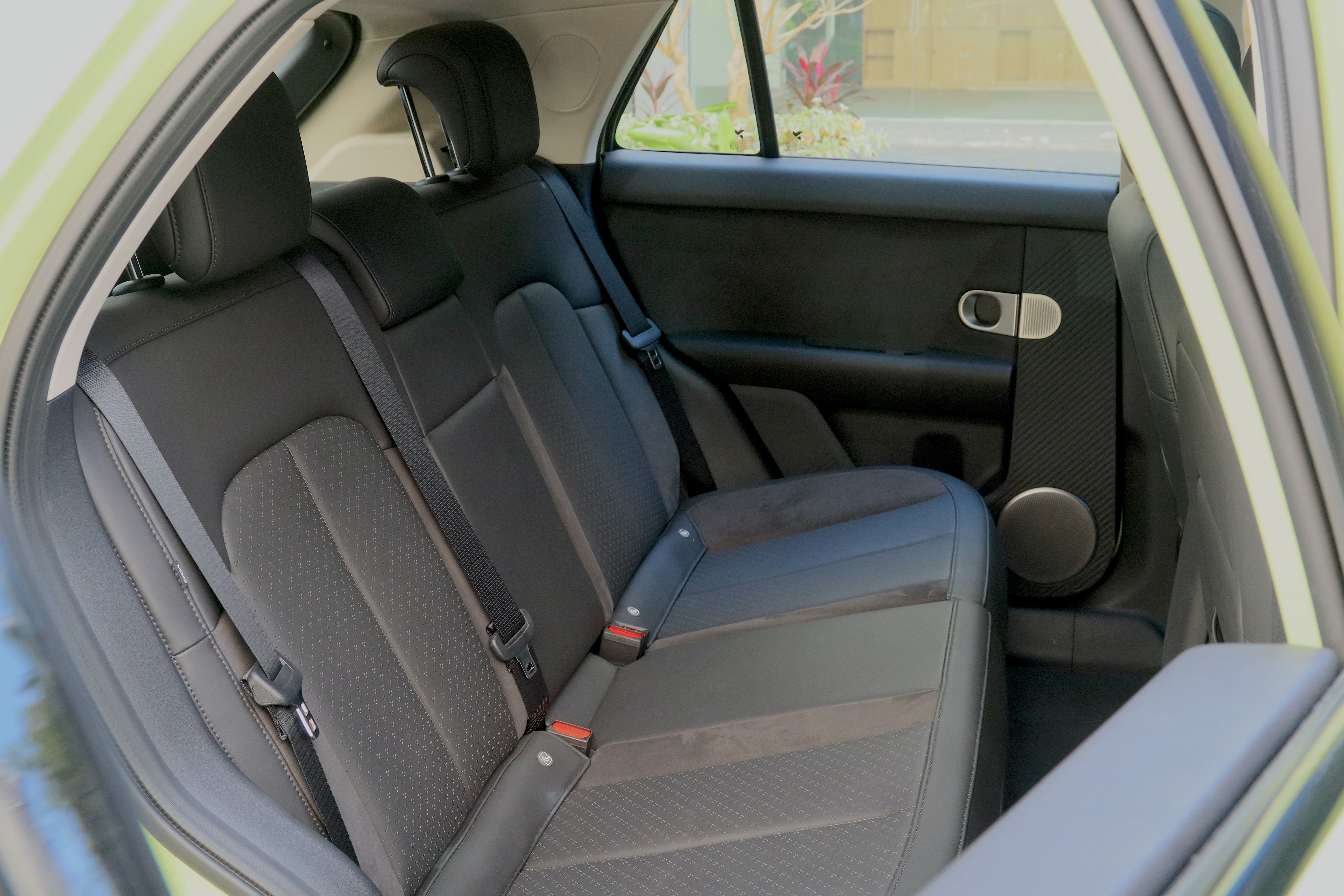
Inside, the Firefly continues its quietly clever approach. One of my favourite details is the walk-through front cabin design. If someone parks too close to your door - and let’s be honest, it happens far too often - you can simply enter from the other side and slide across. It’s such a simple idea that you wonder why more cars don’t do this.
Rear doors open almost 90 degrees, making entry and exit refreshingly drama-free. Despite its compact footprint, rear-seat accommodation is genuinely usable, with enough knee and headroom for average-sized adults. Oh, the panoramic roof certainly adds that sense of airiness into the entire cabin too.
Practicality is clearly a core part of the brief: There are 27 storage spaces throughout the cabin, including a 29-litre tub under the rear seat. Boot space? Starts at 335-litres, and expands to a very handy 1,253-litres with the 60/40 rear seats folded.
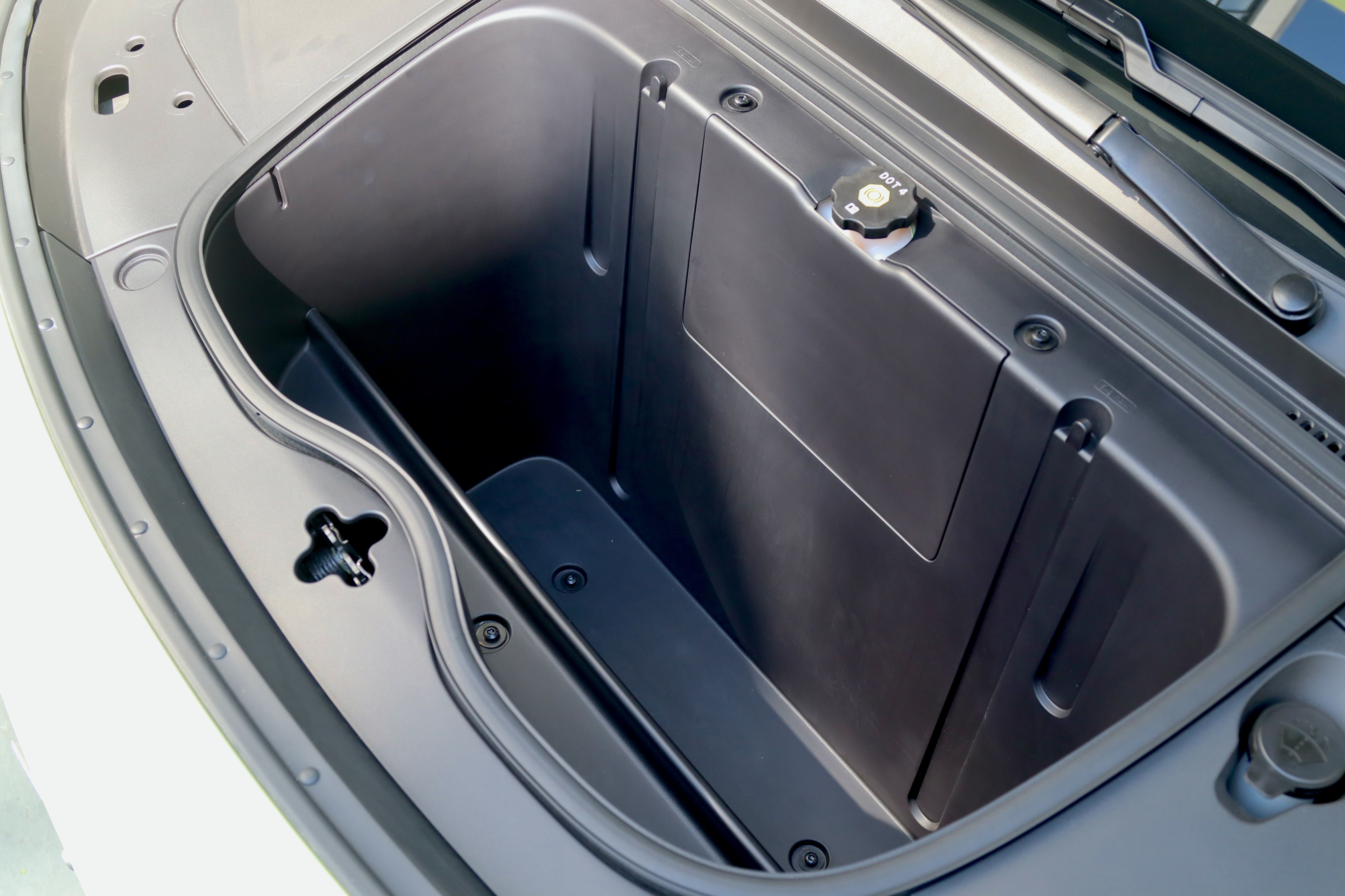
Then there’s the 92-litre frunk: Ideal for gym bags, wet gear, or things you’d rather not perfume the cabin with. Durian runs suddenly feel less controversial.
The 14-speaker sound system with 7.1 Dolby Atmos is delightfully indulgent for a car this size, and Nio’s ‘Lumo’ AI voice assistant handles various functions via voice command with reasonable competence.
Safety is another area where the Firefly doesn’t cut corners. Seven airbags contribute to five-star ratings in both C-NCAP and Euro NCAP. Driver assistance systems include adaptive cruise control, autonomous parking, lane keep assist, blind spot detection, door open warning, and front and rear automatic emergency braking - a comprehensive suite that feels well-judged, rather than intrusive.
Driving It
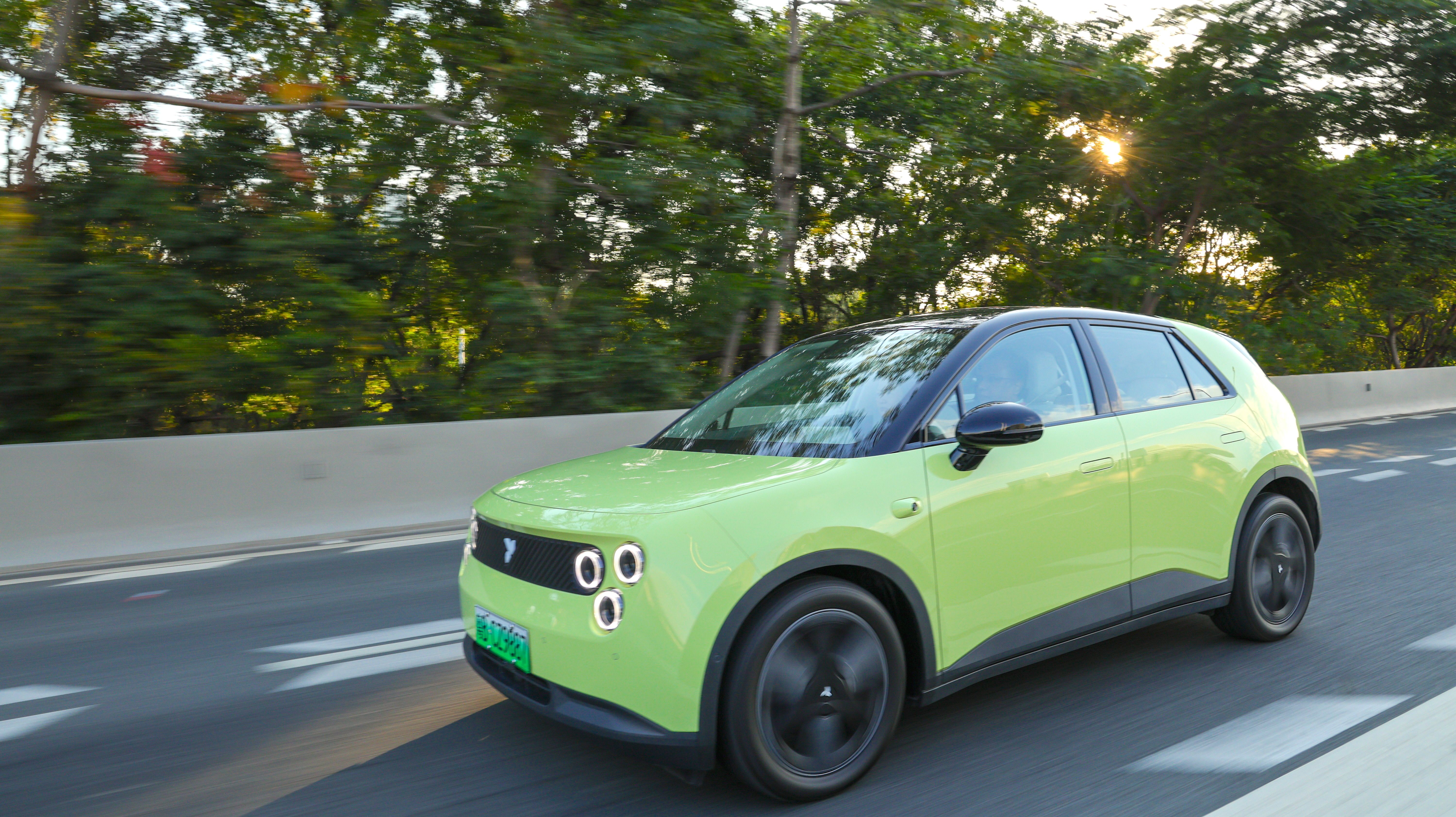
Underneath this rear-wheel drive Firefly sits a chassis co-developed with Multimatic, paired with a near-perfect 50:50 weight distribution. Power comes from a rear-mounted motor producing 105 kW (141 bhp) and 205 Nm of torque, fed by a 42 kWh battery. On paper, 0-100 km/h in 8.1 seconds and a top speed of 150 km/h sound perfectly respectable; and on the road, that’s exactly how it feels.
In city driving, the Firefly really comes alive. It excels in what I like to call the junction-to-junction grand prix, feeling sprightly without ever needing to floor the accelerator. It accelerates with verve in town traffic, particularly in stop-start jams where you need to close gaps quickly and decisively. There’s an eagerness off the line that makes urban driving feel less like a chore and more like a game of flow management. When it’s time to merge onto the expressway, the Firefly is lively enough to slip into traffic effortlessly, without that anxious right-foot moment some smaller EVs suffer from.
Ride and handling are nicely balanced. The suspension isn’t overly stiff, nor is it floaty - think Volkswagen Golf rather than hot hatch theatrics. The steering is light and easy around town, gaining reassuring weight as speeds rise, which translates to confidence on the expressway. NVH levels are commendably low for the segment, with minimal wind and road noise, though tyre noise does creep in on rougher surfaces. Braking performance is strong too, with Bosch-developed brakes hauling the Firefly to a stop from 100 km/h in just 35.65 metres.
Forward To The Future
The Firefly is also designed for battery swapping, future-proofing it for markets where that infrastructure exists. While Singapore isn’t quite there yet, it does mean easier battery replacement should anything go wrong.
In China, the car comes with an eight-year, 120,000 km warranty, and the battery pack is monitored 24/7 via the cloud; if the system detects anything unusual, the owner is alerted – which is rather efficient.
In A Nutshell
So where does that leave us?
The Firefly isn’t trying to shout or show off. It doesn’t rely on gimmicks or headline-grabbing numbers. Instead, it focuses on making daily life easier, safer and just a little more enjoyable - which, in a city like Singapore, counts for a lot.
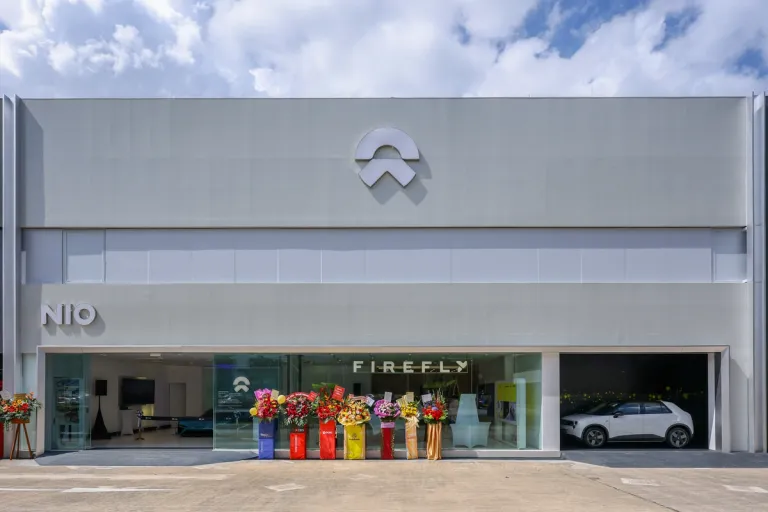
The Firefly will make its Singapore debut at the Singapore Motorshow 2026. And if whispers from the grapevine are accurate, pricing will land below $200,000 with COE. If that proves true, Nio’s smallest EV may well end up being one of the most quietly convincing electric cars to arrive on our shores in recent years.
Photos by Azfar Hashim, additional photos by Firefly
---
Car you sell, Carousell. Get the highest quote for your car in just 24 hours, with assistance on paperwork too!


Get the Best Price for your used car
from 500+ dealers in 24 hours





 Convenient and Hassle-Free
- Consumer Protection
Transparent Process
With No Obligation


