


Suzuki e-Vitara Review: Plenty Of Character But Is That Enough?
Suzuki's first electric SUV brings distinctive styling and genuine driving appeal, but its competition has some compelling answers.


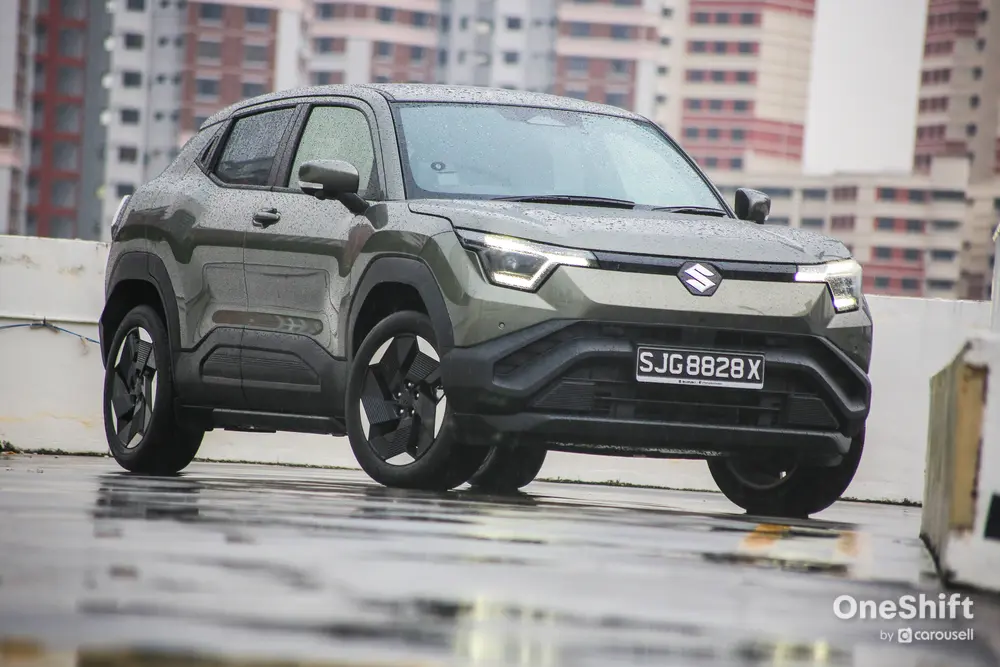
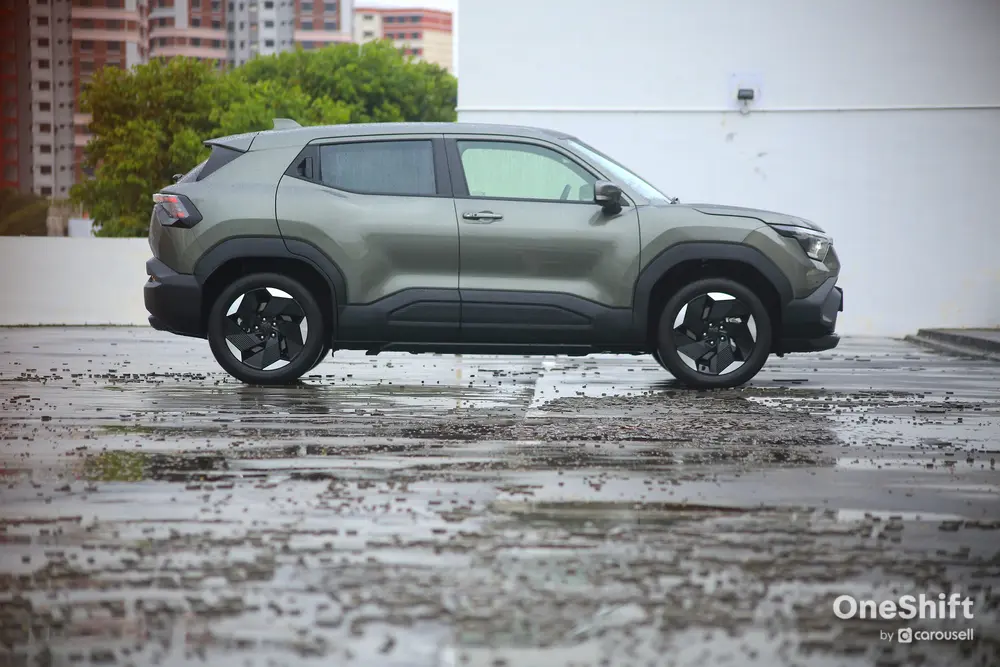
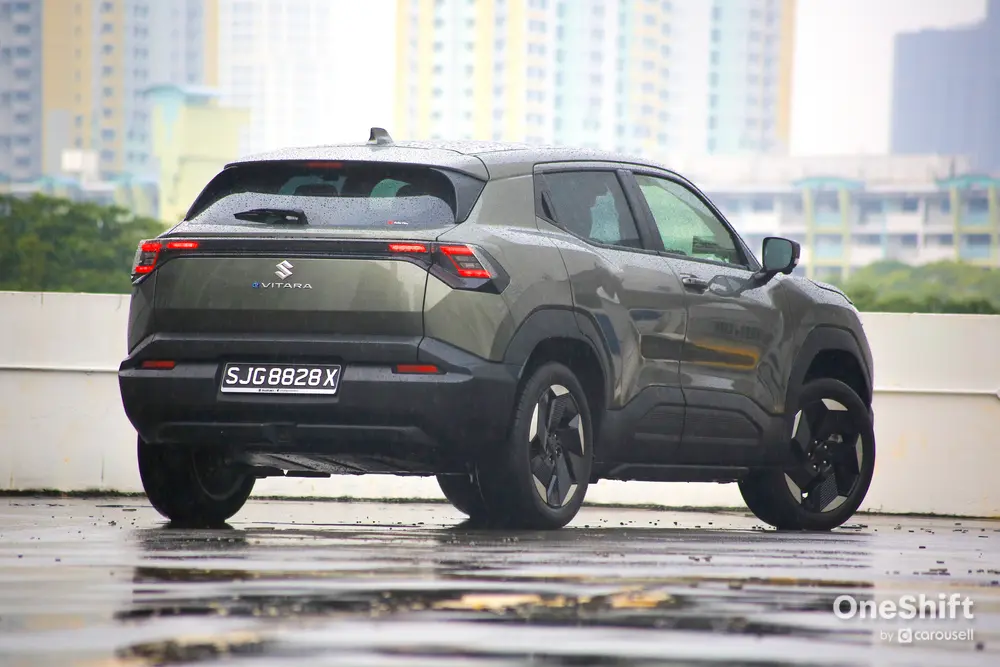
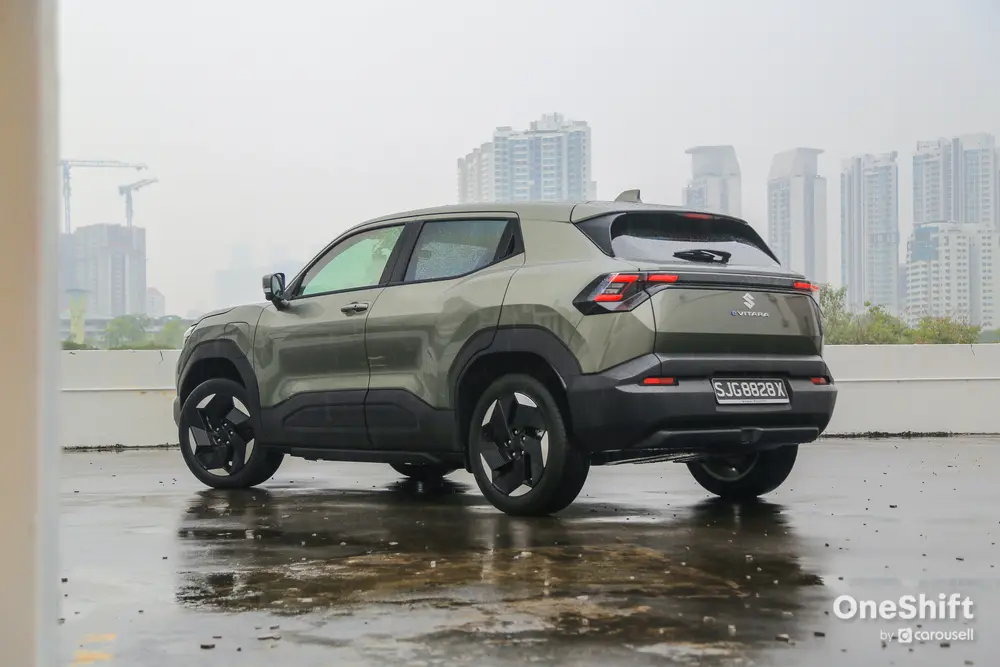
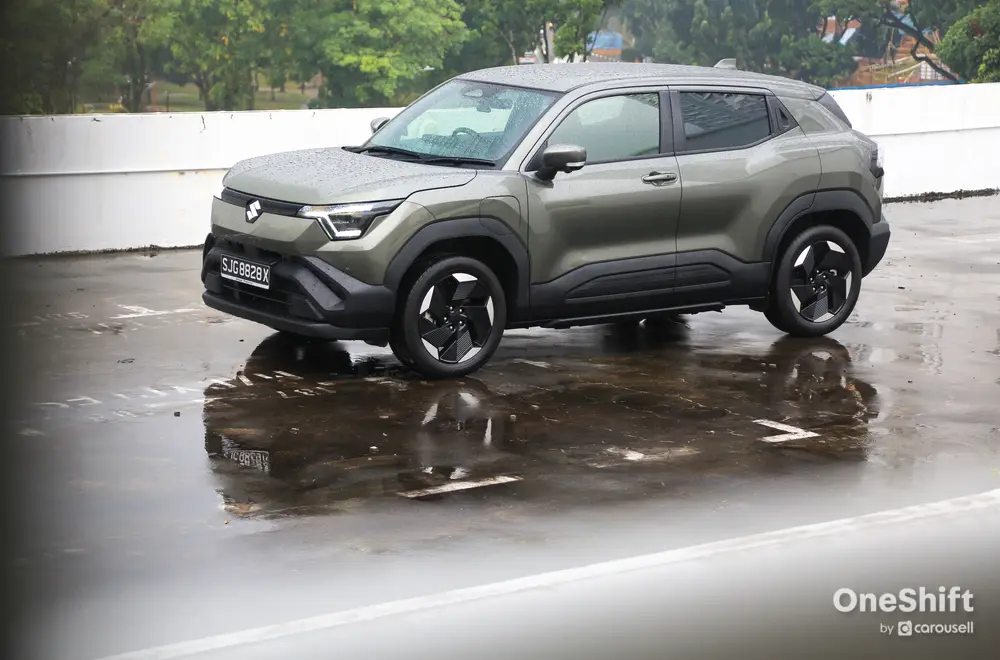
There was a time when buying a Suzuki meant you knew exactly what you were getting. Nothing unnecessarily extravagant or particularly complicated, but usually something honest, dependable and rather enjoyable to drive.
The new e-Vitara largely follows that philosophy. Except this time, Suzuki has entered a segment where the competition seems determined to give buyers everything, including features they probably won't use beyond the first week.
And that's where things get interesting…
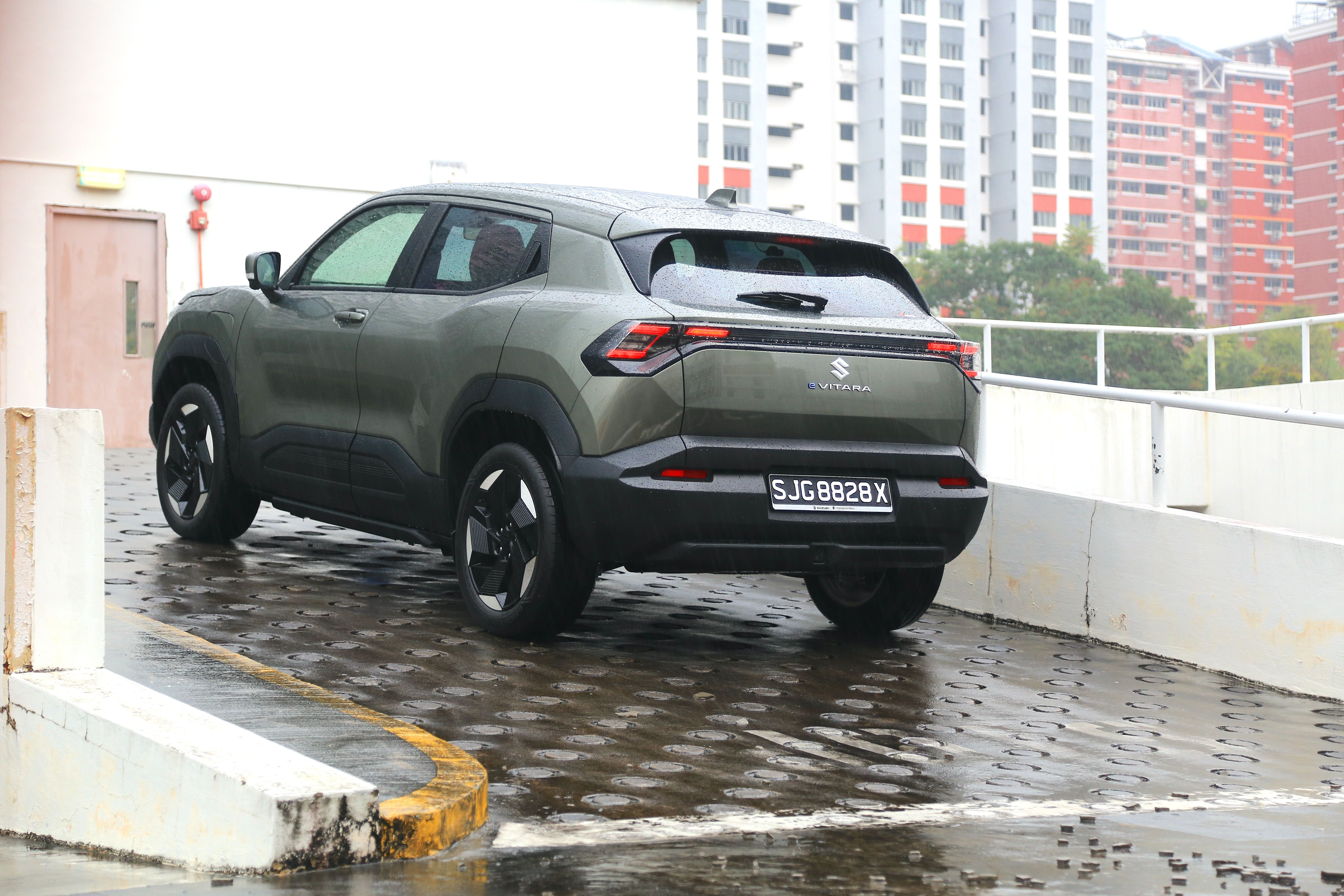
Assembled in India, the e-Vitara is Suzuki's first mass-produced fully electric vehicle. It arrives in Singapore at a time when compact electric SUVs are practically fighting for attention at every traffic light.
But Suzuki has something its competitors cannot simply download through an over-the-air update: Character.
Exterior Wise
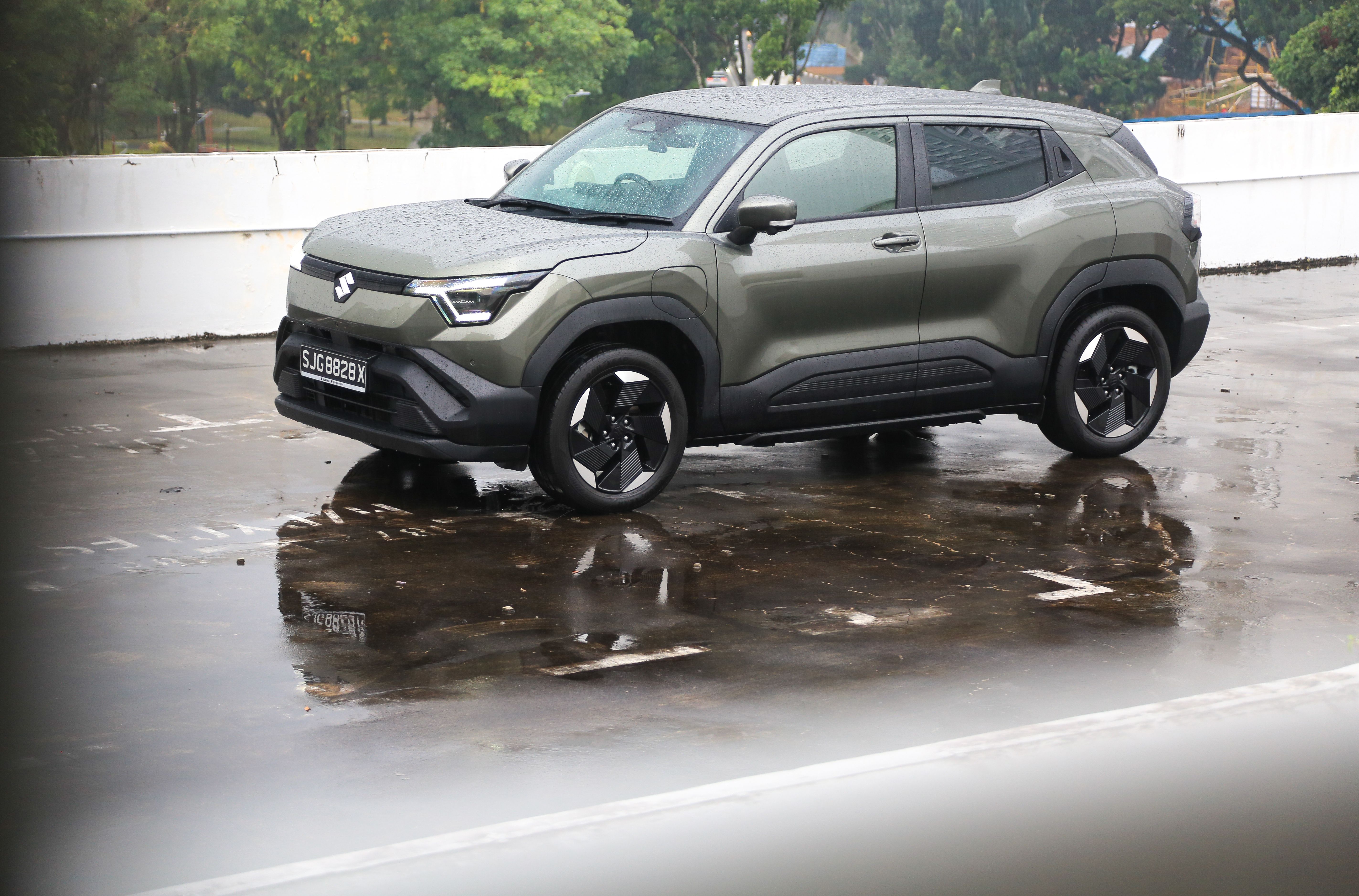
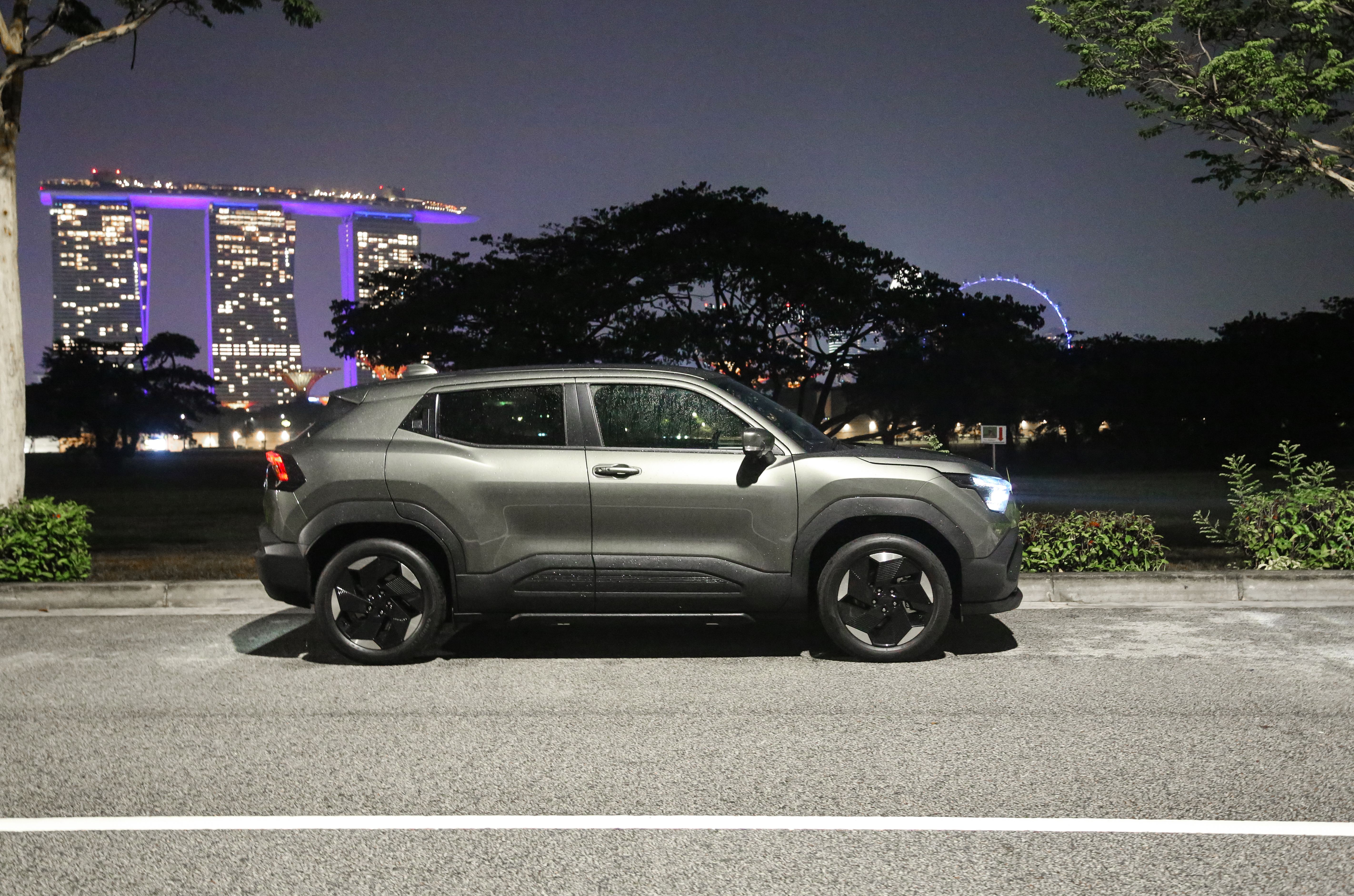
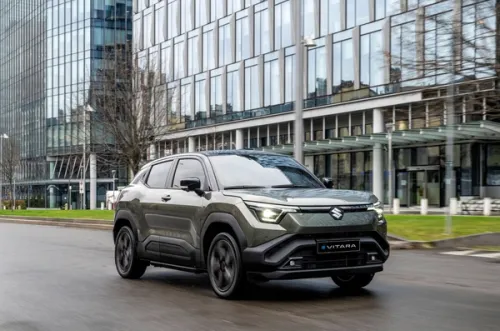
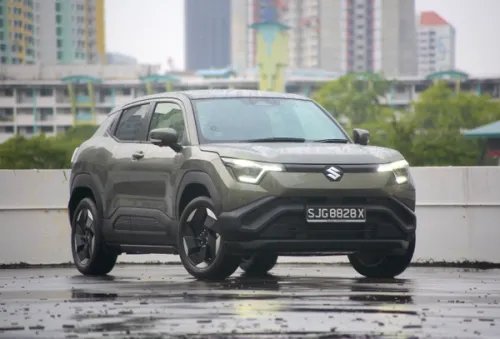
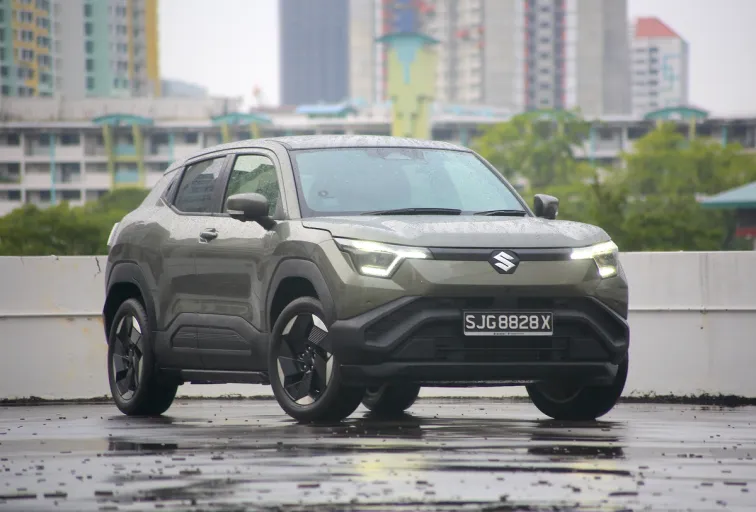
Let's give credit where it's due - Suzuki has done a remarkable job with the e-Vitara's styling.
At 4,275 mm long, 1,800 mm wide and 1,635 mm tall, it occupies a relatively compact footprint, yet its muscular proportions make it appear more substantial than the dimensions suggest.
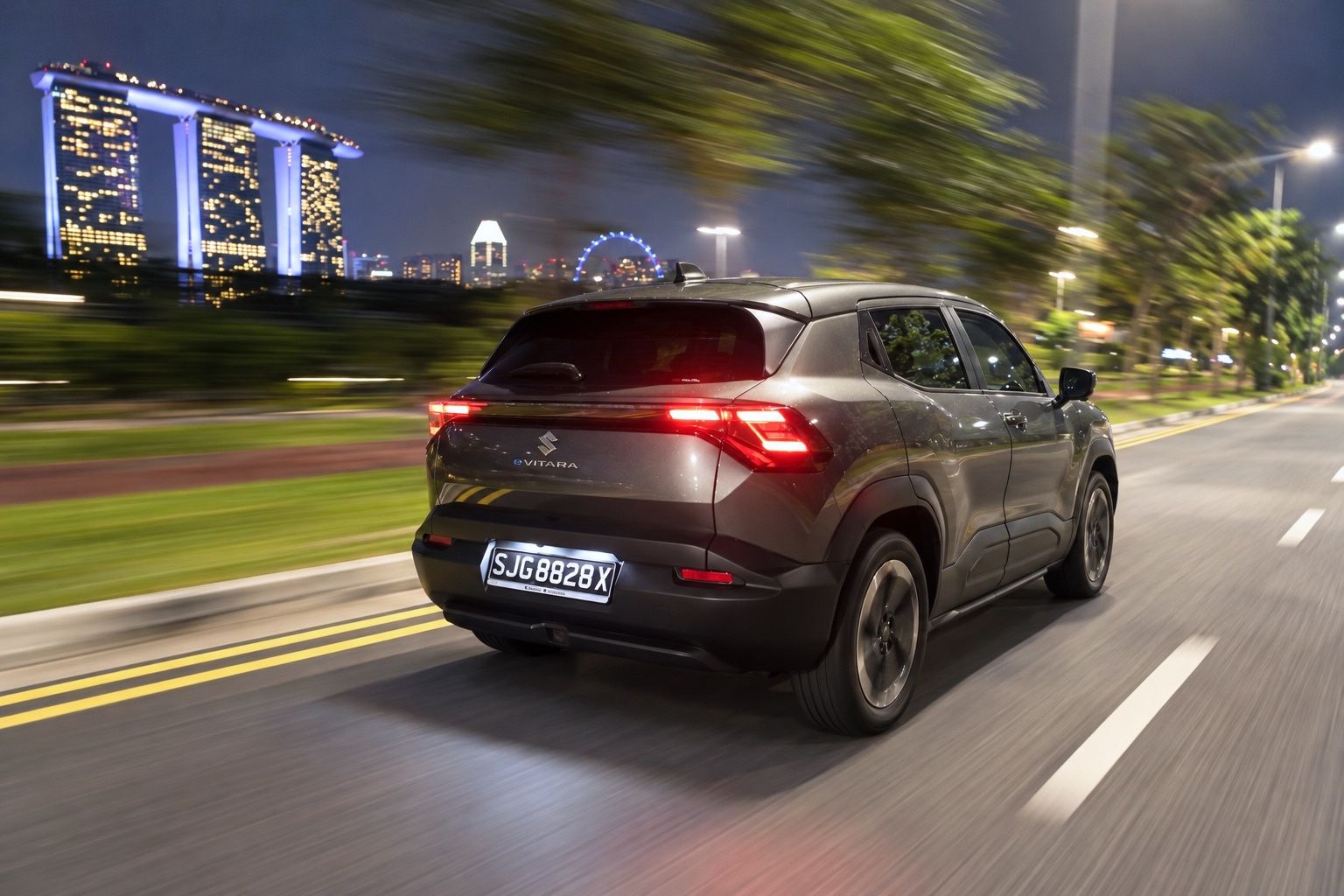
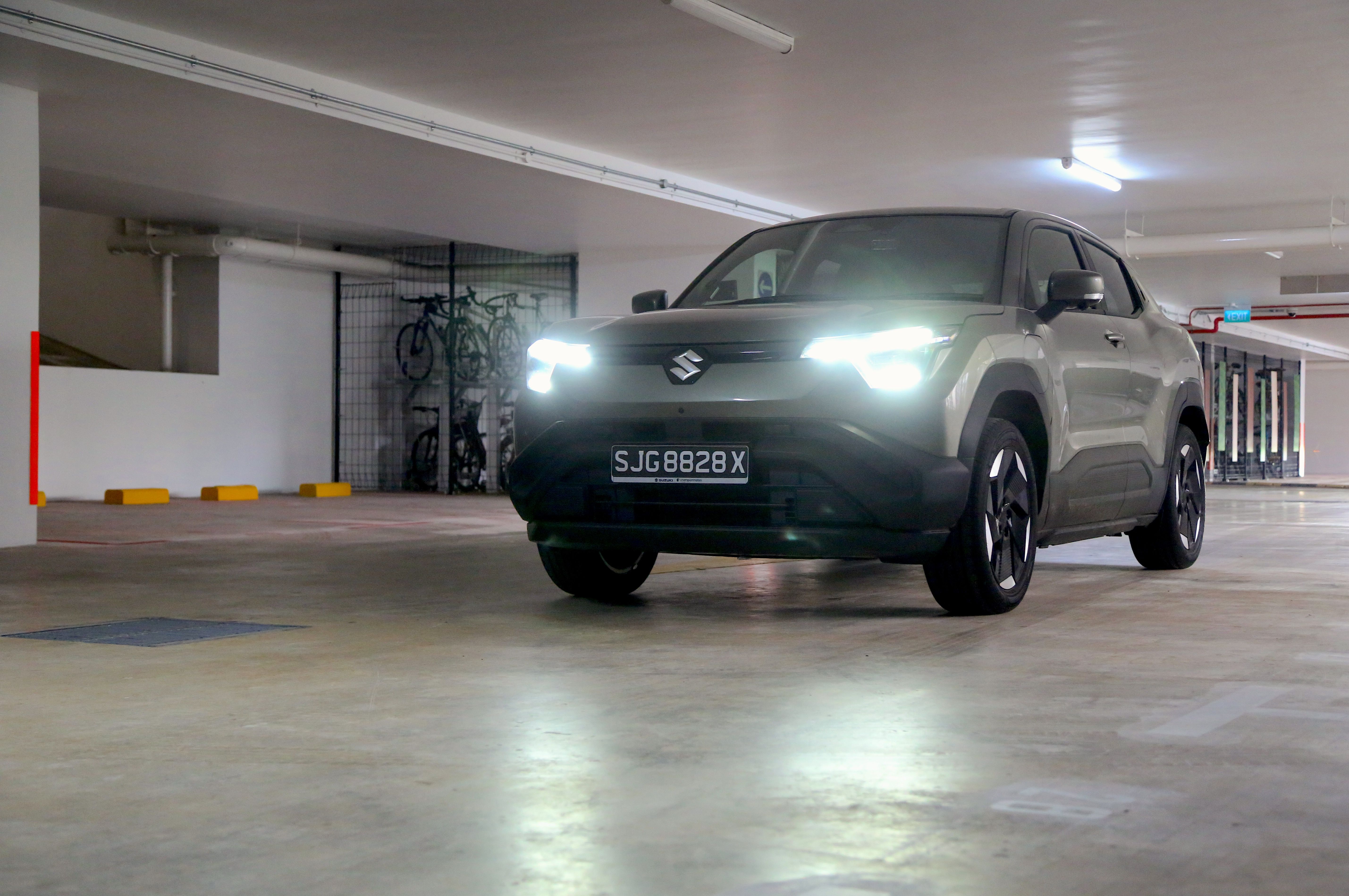
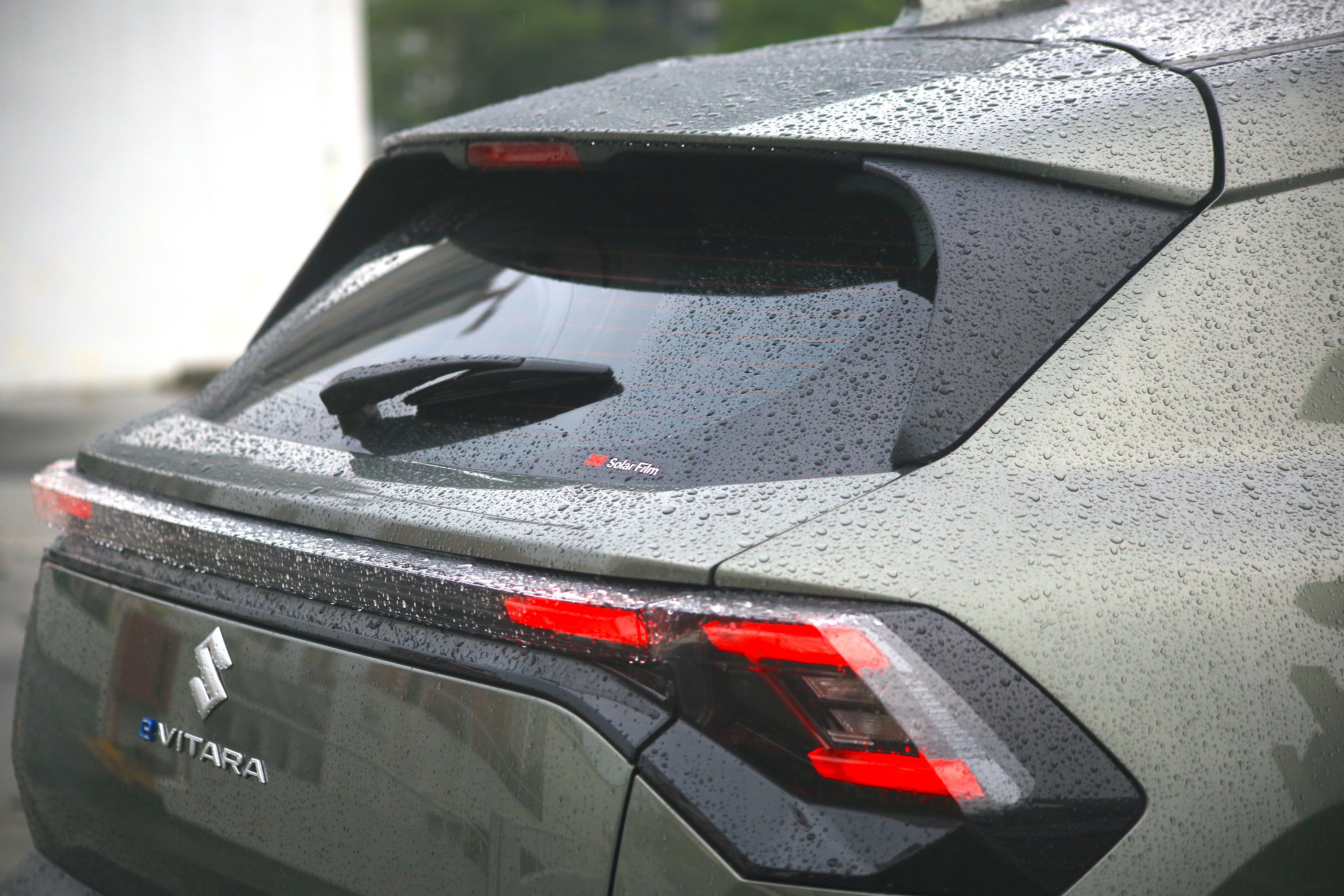
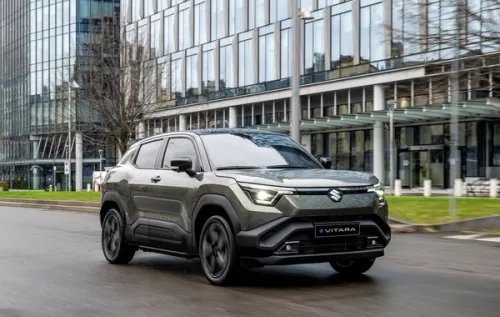
The pronounced wheel arches, sculpted bodywork, distinctive lighting signatures and chunky stance give it an unmistakable identity; it looks tough without pretending to be a hardcore off-roader.
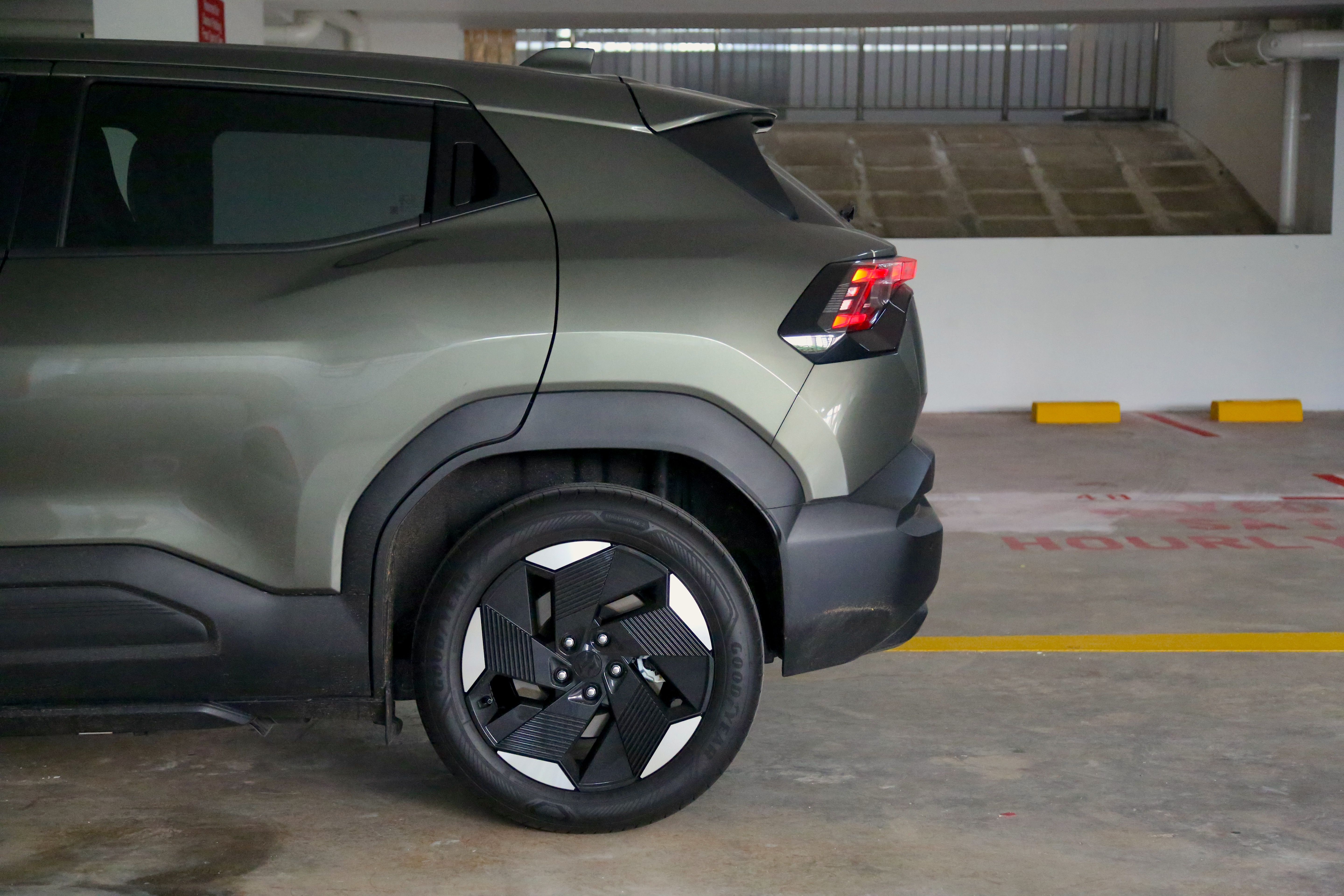
In fact, there's something almost Toyota C-HR-like (remember that one?) about its visual confidence. Not because the two look alike, but because both demonstrate how unconventional styling, when executed properly, can remain appealing long after contemporary design trends have moved on. And I reckon the e-Vitara could still look fresh ten years from now…
In a market where numerous electric SUVs seem to follow a remarkably similar design formula, Suzuki deserves applause for producing something genuinely distinctive; and thankfully, it doesn't look like a household appliance on oversized wheels.
The Inside Story
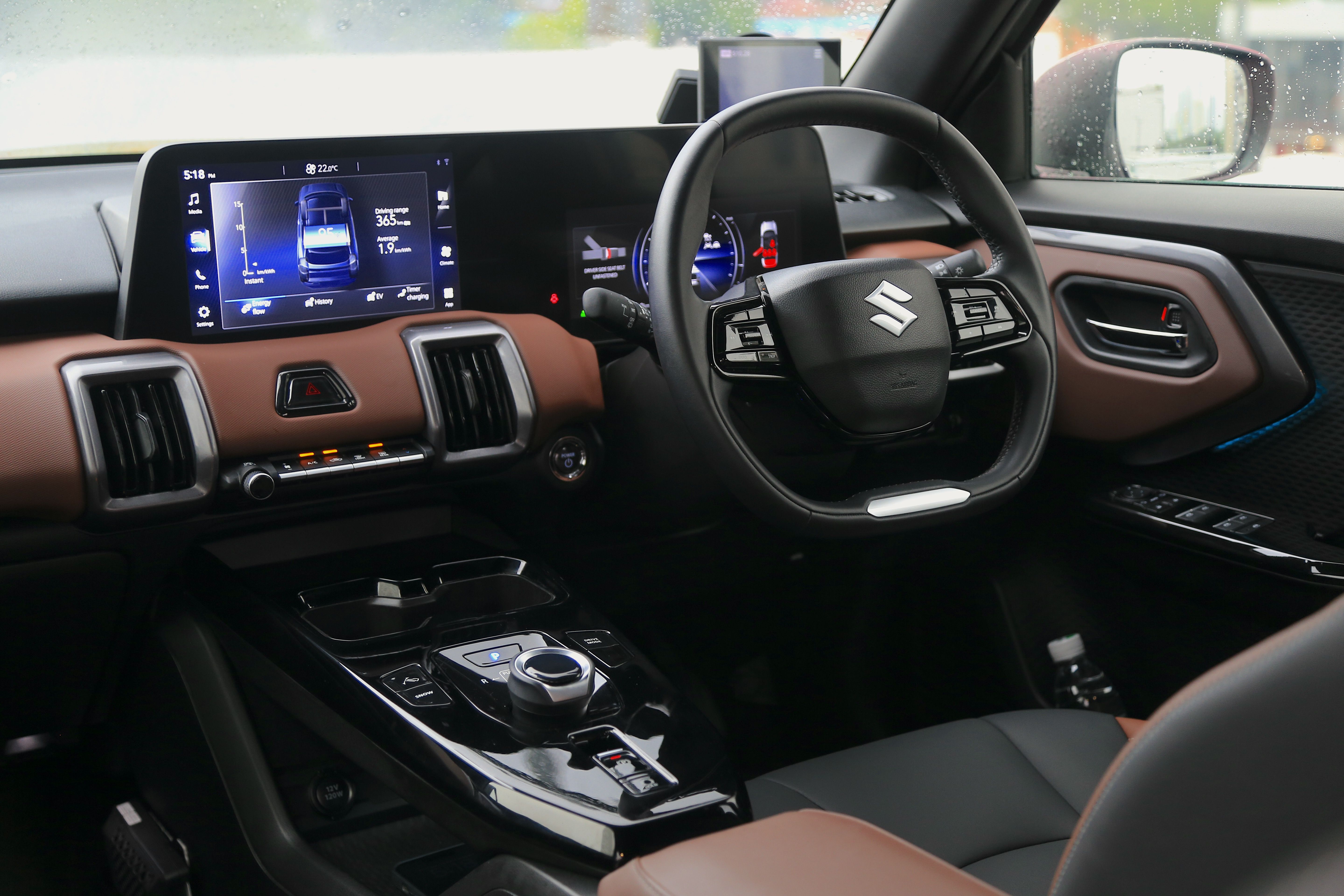
Step inside and Suzuki's priorities become immediately apparent. The cabin is solidly assembled, with a reassuring sense of durability. Despite its Indian manufacturing origins being something some buyers might question - perhaps due to the fact that our market consumers are too used to Japanese, South Korean, European and Chinese produce - there's little here that suggests compromised build quality.
Everything feels properly screwed together.
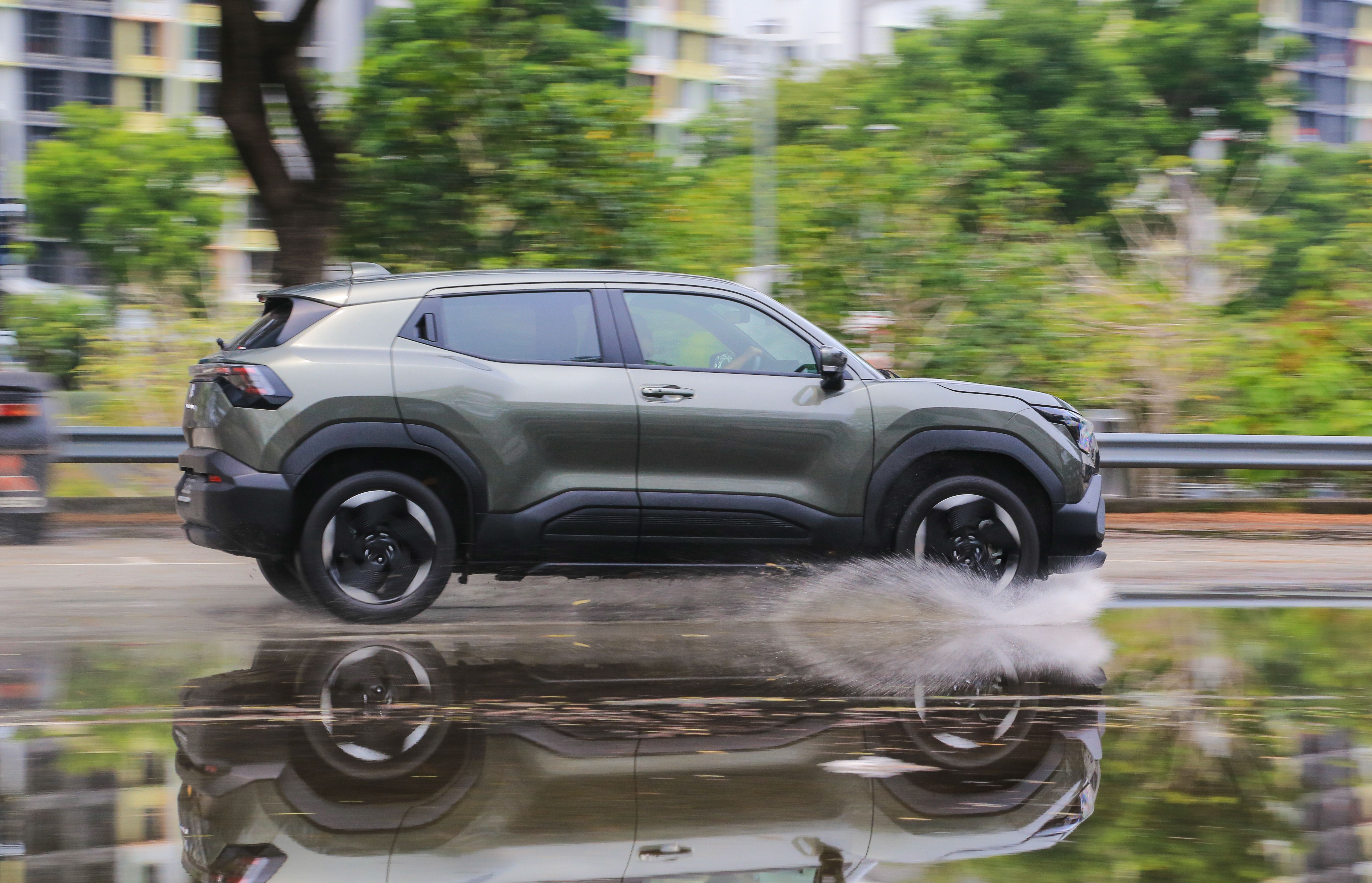
However, Suzuki has clearly adopted a more utilitarian approach than many of its Chinese competitors - the dashboard incorporates a 10.25-inch digital instrument cluster and a 10.1-inch infotainment touchscreen, providing the essential information and connectivity without turning the cabin into Sim Lim Square.
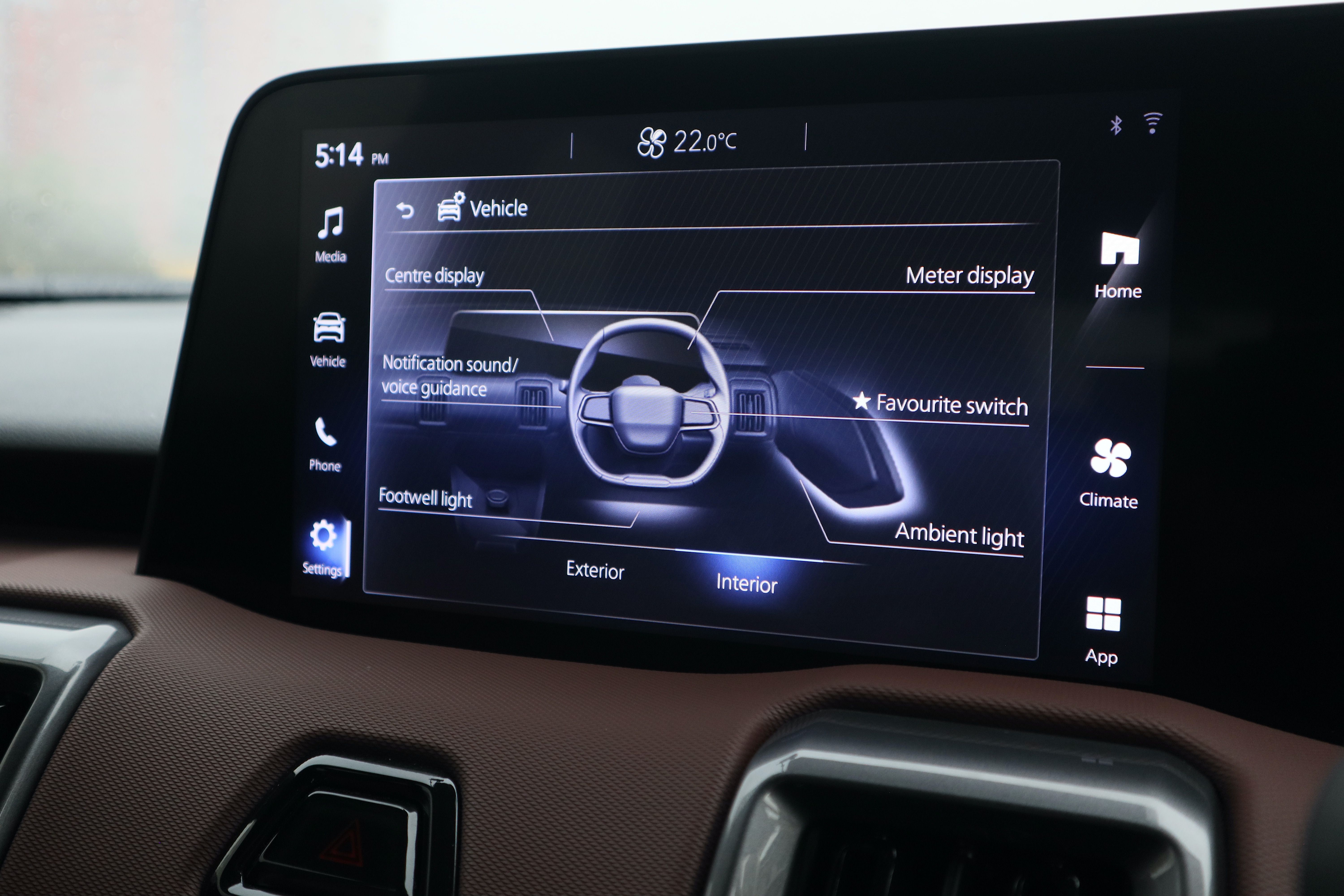
Wireless Apple CarPlay deserves particular praise. Throughout my time with the car, connectivity was immediate, stable and refreshingly free of lag. Sometimes, technology working properly is more valuable than having another dozen applications buried inside a touchscreen.
But that said, the e-Vitara isn't without shortcomings.
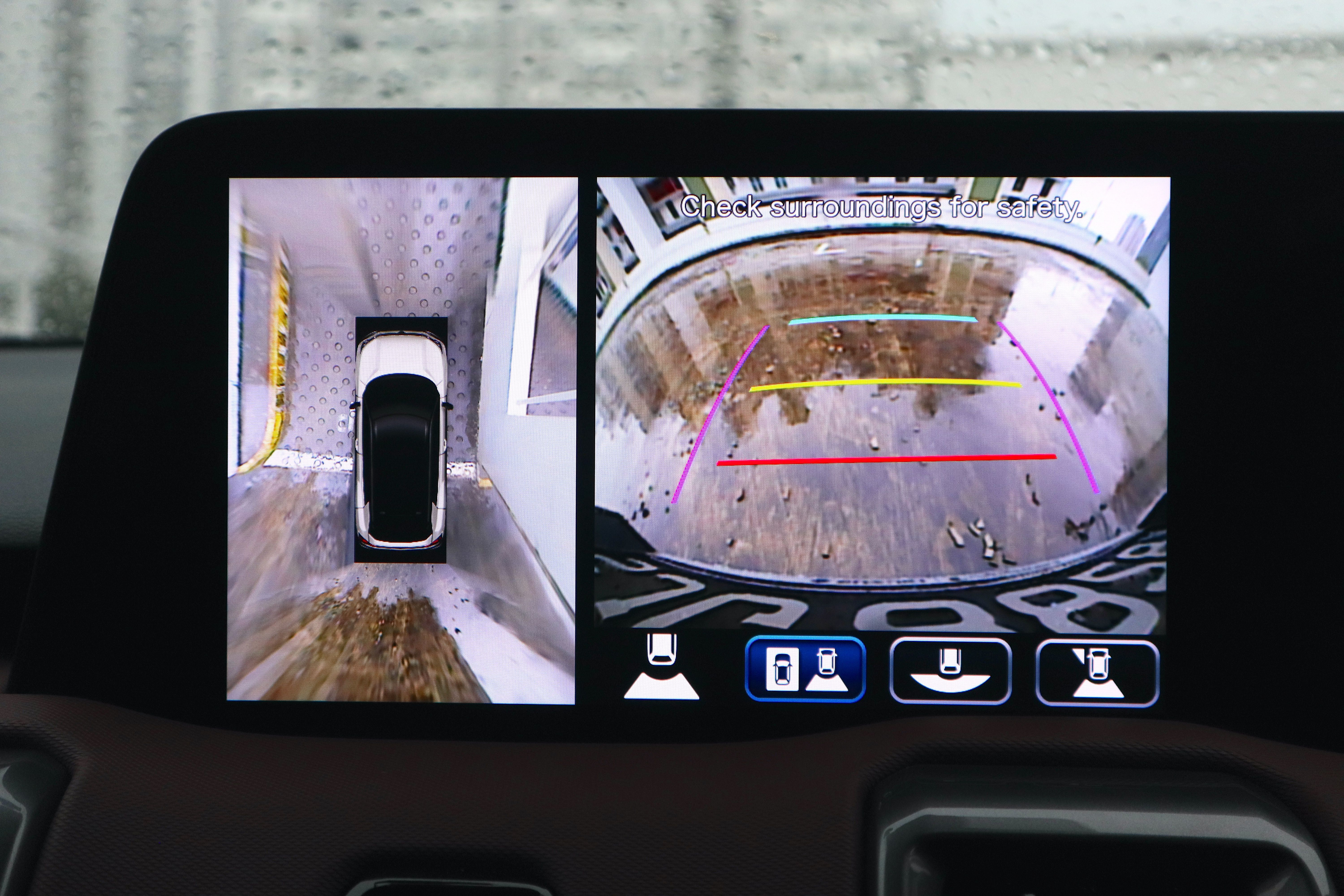
The reversing camera, for instance, looks like something carried over from the early 2010s. Its resolution is disappointingly poor by today's standards, especially when considerably cheaper cars offer noticeably sharper images; it's an irritating oversight in an otherwise sensible cabin.
Equipment levels also feel rather modest alongside Chinese rivals offering larger displays, more elaborate interior finishes and additional convenience features.
For everyday use, though, the Suzuki does enough. The 2,700 mm wheelbase helps provide usable passenger accommodation, making it perfectly suitable for a family of four. Equally, a first-time car buyer without major family commitments should find little to complain about.
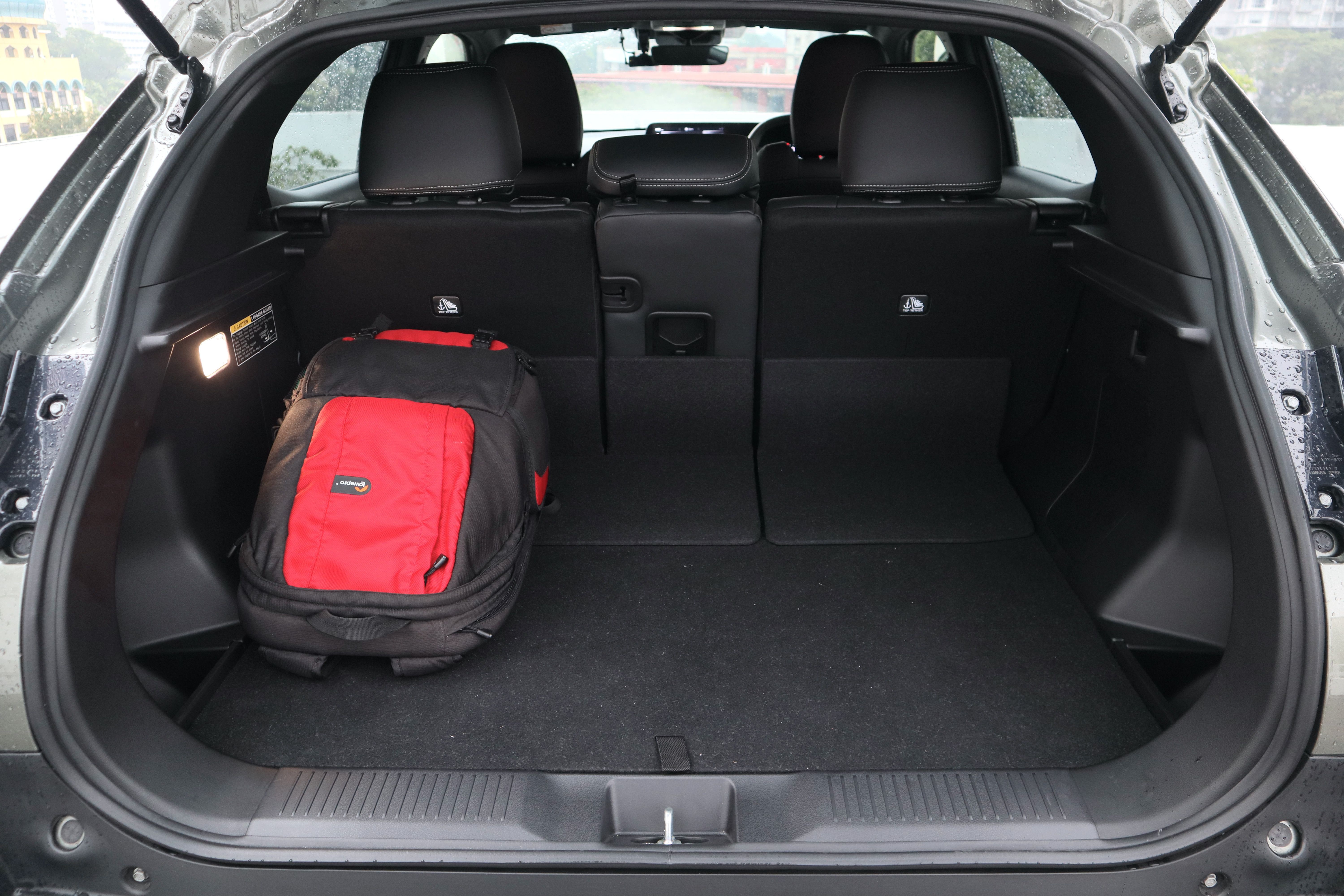
Boot capacity stands at 310-litres; it's adequate for groceries, smaller luggage and everyday necessities, although hardly generous by class standards.
This is a cabin designed around what you need, rather than everything a manufacturer can possibly squeeze into the specification sheet - whether that appeals to you depends largely on your expectations.
Driving It
Now, this is where the e-Vitara starts making a considerably stronger argument for itself. Anyone familiar with Suzuki's history will remember the Swift GTI, Ignis Sport and the various generations of Swift Sport.
These were never particularly powerful cars, but they demonstrated that an entertaining driving experience doesn't necessarily require enormous horsepower figures.
And fortunately, some of that philosophy survives here. The e-Vitara rides on Suzuki's dedicated HEARTECT-e platform, with MacPherson struts at the front and a multi-link rear suspension arrangement; the chassis feels reassuringly solid, particularly when negotiating bends or making quick directional changes.
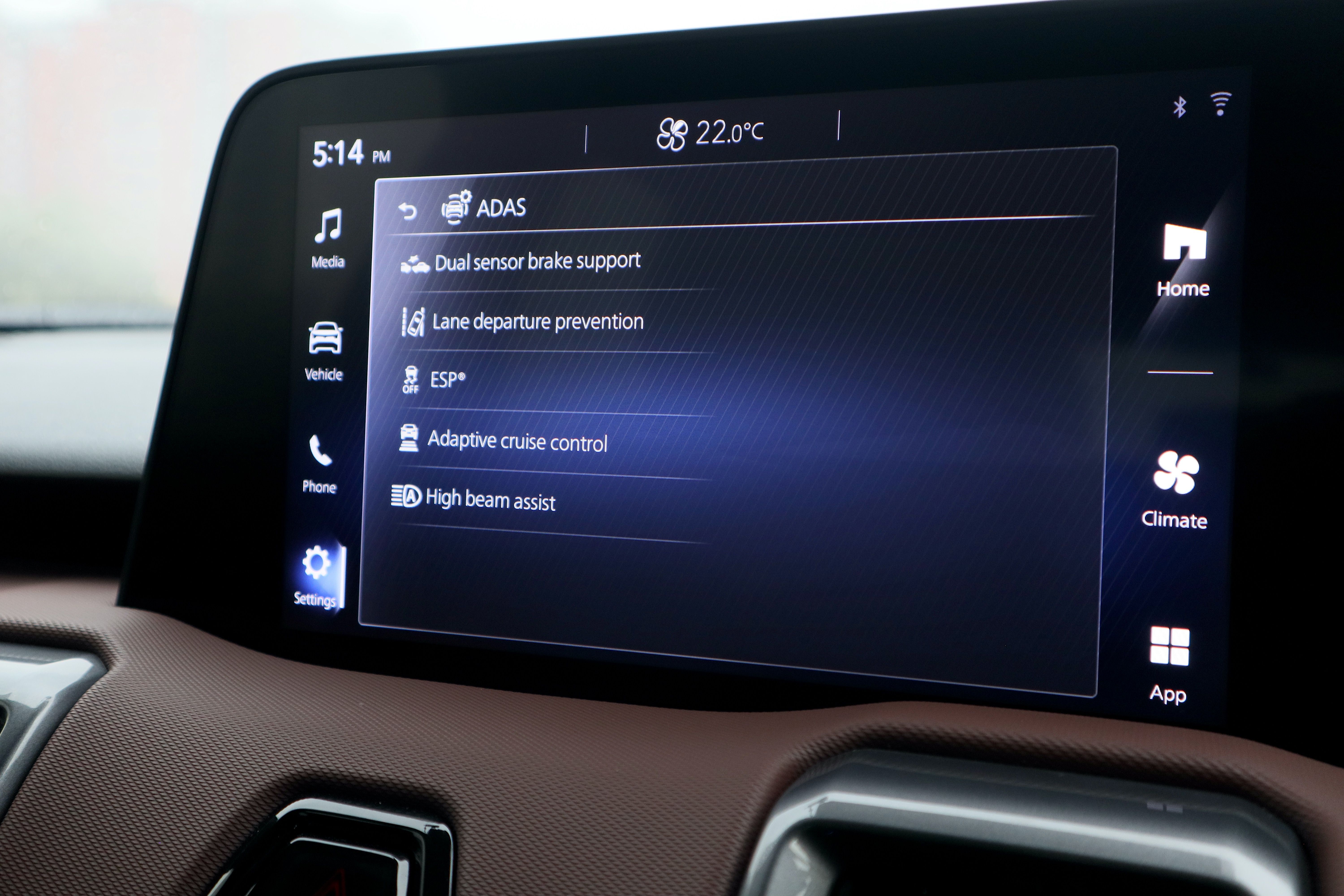
There's a sense of composure that encourages you to drive with a little more enthusiasm than you might initially expect from a compact electric SUV. Steering weight is particularly well judged; it's neither unnecessarily heavy nor excessively light, offering sufficient resistance to make the car feel connected to your inputs.
Actual steering feedback, however, is another matter. Those expecting the communicative steering of Suzuki's legendary little performance hatchbacks will be disappointed. You can sense what the chassis is doing, yes, but the steering doesn't quite tell the entire story.
Still, the e-Vitara feels pleasantly playful when the opportunity arises. It's certainly no Swift Sport, particularly with 1,700 kg to carry around, but there's enough dynamic ability here to remind you that Suzuki hasn't completely forgotten how to make a car enjoyable.
The brakes are less convincing, though. Pedal assistance feels slightly excessive, making the initial response sharper than necessary. It's not a serious flaw, but smooth braking requires some familiarisation, especially at lower speeds.
Under the bonnet - figuratively speaking - sits a front-mounted electric motor producing 106 kW (142 bhp) and 193 Nm of torque. The e-Vitara completes the 0-100km/h sprint in 9.6 seconds, with a maximum speed of 150 km/h. Yes, yes, hardly headline-grabbing figures, but perfectly sufficient for Singapore's roads.
More importantly, power delivery is predictable and easy to manage. There's no unnecessary aggression, just straightforward performance that suits the car's everyday character.
Range And Charging
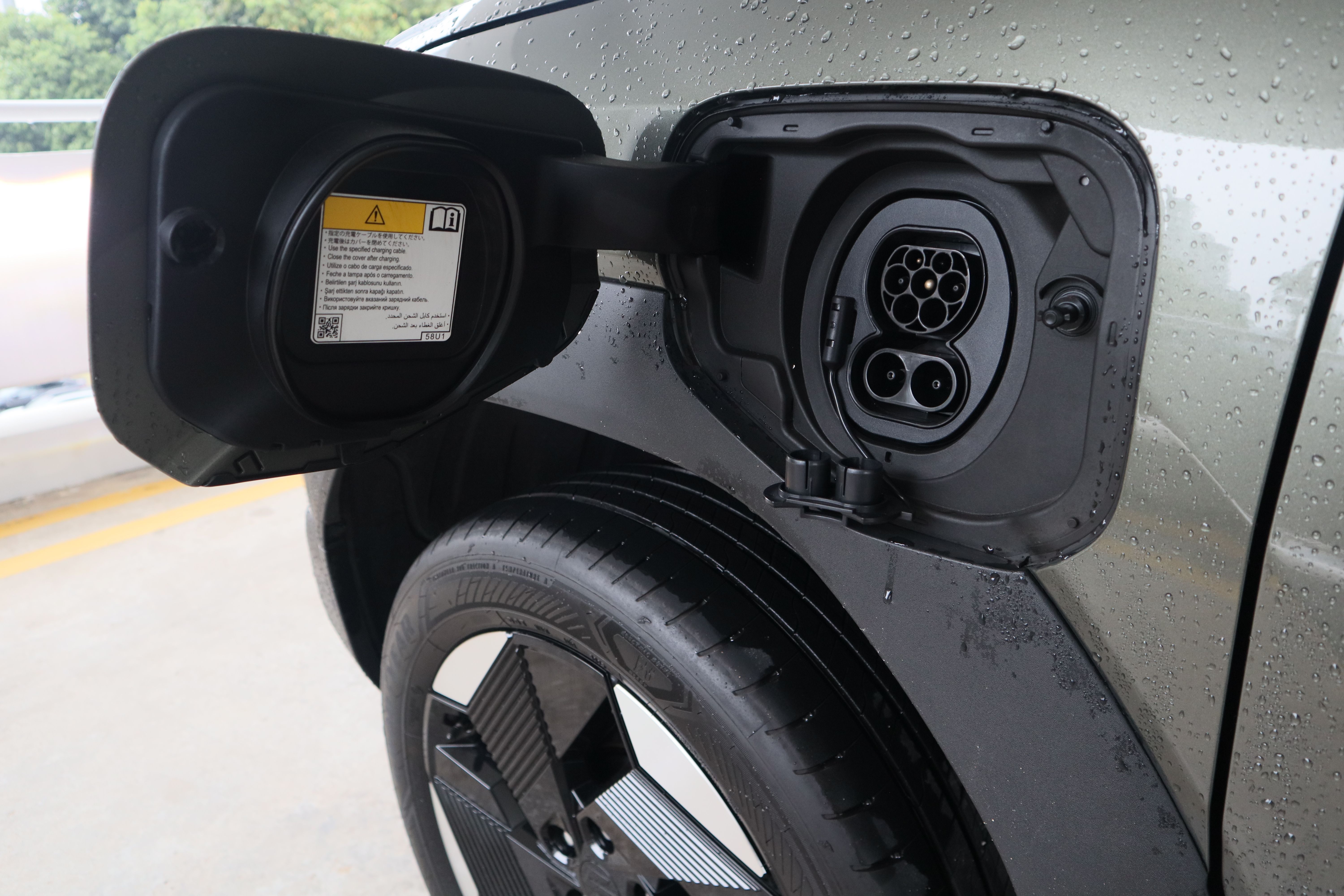
The e-Vitara uses a 49 kWh battery, delivering a claimed WLTP range of 345 km and an energy efficiency figure of 6.8 km/kWh. For predominantly urban use, that's a workable proposition; most Singaporean drivers won't need to recharge daily, although regular journeys across the Causeway will require more planning.
But 345 km is no longer particularly impressive, even among entry-level electric SUVs.
The Suzuki's relatively modest range becomes another consideration when similarly priced alternatives can travel considerably further between charges.
And now we arrive at the e-Vitara's biggest headache - at approximately S$179,888 with COE, the Suzuki finds itself surrounded by increasingly convincing alternatives.
The BYD Atto 2 offers a comparable 345 km WLTP range, a larger 400-litre boot and more generous convenience equipment, including ventilated front seats. The Jaecoo 5 EV goes further, offering 402 km of WLTP range, a 480-litre boot and equipment such as a panoramic glass roof and ventilated seats. Then there's the Dongfeng Vigo, which provides substantially more luggage space, a versatile split tailgate and an interior that feels more technologically ambitious.
Buyers can also consider the MG S5 EV, with its rear-wheel-drive layout and longer claimed driving range, while the larger Proton e.MAS 7 offers another compelling family-oriented alternative.
Hence, this is where the Suzuki struggles. It doesn't necessarily feel inferior in construction or chassis engineering. Frankly, I would argue that its driving characteristics are among its strongest selling points.
But Singaporeans are understandably conscious of value, especially when committing close to S$180,000 to a compact electric SUV. And when competing cars offer more equipment, greater practicality and, in several cases, longer range, Suzuki's proposition becomes increasingly difficult to defend…
In A Nutshell
I genuinely like the Suzuki e-Vitara. Its styling is distinctive, its construction feels reassuringly solid, and its chassis demonstrates that Suzuki still understands the importance of making a car enjoyable to drive.
It's also refreshingly straightforward - not everyone needs an enormous touchscreen, countless applications or a cabin that resembles a technology exhibition.
But simplicity and value are two different things.
The e-Vitara gets the fundamentals largely right, yet asks buyers to overlook equipment deficiencies, a dated reversing camera, modest luggage capacity and a driving range that is merely adequate.
If you appreciate Suzuki's engineering philosophy, enjoy driving and prioritise character over gadgetry, the e-Vitara deserves consideration. For everyone else, however, the competition simply offers too much to ignore.
Technical Specification - Suzuki e-Vitara
Power/Torque: 142 bhp/193 Nm
Battery type/Capacity: Lithium Ion/49 kWh
Charging time: 6.5 hours (AC), 45 minutes (DC) - 10 to 80%
Range: 345 km (WLTP)
0-100 km/h: 9.6 seconds
Top speed: 140 km/h
Efficiency: 15.1 kWh/100 km
Agent: Champion Motors
Photos by Azfar Hashim (@azfar.talks)
---
Before you buy or sell your car, Carousell first.
Carousell Autos. Singapore’s largest direct owner marketplace for everything cars and motorcycles.



Get the Best Price for your used car
from 500+ dealers in 24 hours


 Convenient and Hassle-Free
- Consumer Protection
Transparent Process
With No Obligation


