


What Are The Possible Consequences If ERP 2.0 Is Eventually Used To Enforce Speeding Offences?
Authorities are ironing out finer details as the satellite-based road pricing system gears up for a full rollout by 2027.

At its core, ERP has been about managing congestion through road pricing, nudging drivers away from peak-hour travel, or to avoid routes with high traffic.
With ERP 2.0, it’s now more precise, flexible and data-driven. Charges are based on location rather than gantry points, rates can be adjusted dynamically, and authorities will have access to continuous vehicle movement data.
In a recent parliamentary exchange, key points discussed included studying whether ERP 2.0 can detect speeding, especially in School Zones and Silver Zones. However, further enhancements are needed before it can be fully deployed.
Oh no... What if this is eventually implemented? As drivers, what are the drawbacks?
Sure, we’re still in early stages for now, but in a blink of an eye, we might see ourselves in the thick of the action!
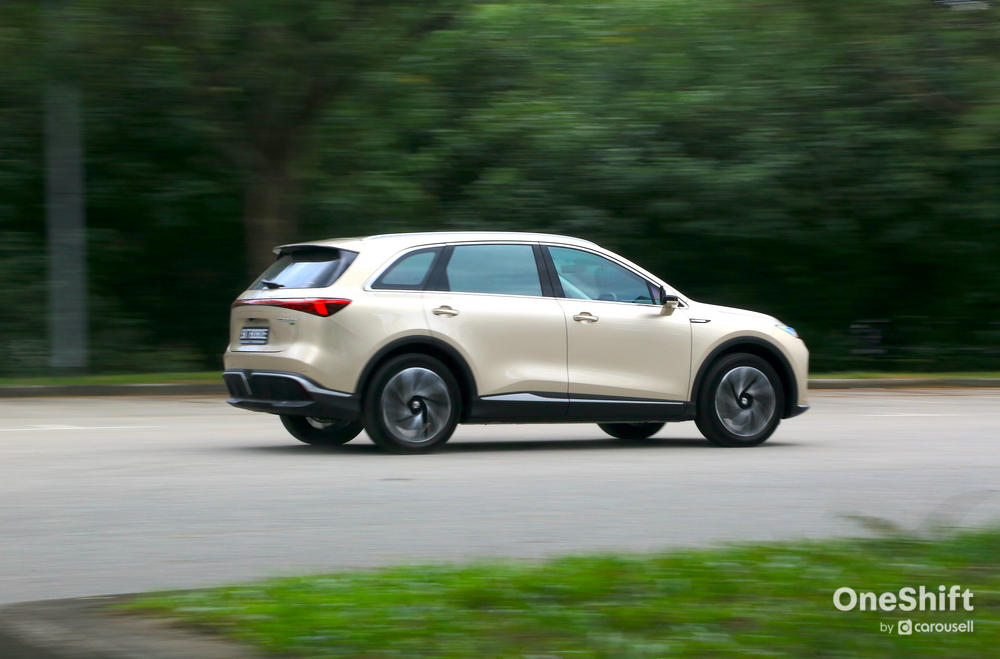
More disciplined driving behaviour
Perhaps the most likely outcome: We’ll be more cautious! Average speed compliance will improve, not only at camera hotspots, but across entire journeys.
Eager to test that low end torque off the line? You will have to think twice!
Psychological shift from reactive to preventive
Today, drivers react to visible enforcement like cameras and prowling TPs (Traffic Police). With speeding offences aided by ERP 2.0, enforcement now becomes “invisible” and omnipresent. More stressful, for sure, but there’s an argument to be made that our driving habits might change to a less aggressive one.
Chasing the car in front because it cut your lane? Both will kena fine if caught speeding, bro!
Privacy concerns?
ERP 2.0 can track location continuously, which means it has the ability to track routes and routines. If used for enforcement, the public may question the topic of data usage and retention.
So imagine, we might not be speeding on KPE today, but 90% are about to breach it - will authorities deploy more TPs physically as “anticipation”? It’s anyone’s guess! Sure, it’s a touchy subject, which is why there’s mention of “further enhancements needed”.
Impact on specific groups
General motorists: More cautious driving overall. Could lead to fewer speeding violations, definitely, but also there’ll be less flexibility. More instances of road hogging on the right lane? There’s a chance!
PHV / delivery drivers: Potentially more stress when schedules are back to back. The regular route that’s usually empty on a weekend? They can’t go over the speed limit anymore, even by 1km/h!
Car enthusiasts: Scope for performance modifications are already limited, so this may just dampen their interest entirely. Even those quick bursts up Dempsey Hill could be a thing of the past!
---
Before you buy or sell your car, Carousell first.
Carousell Autos. Singapore’s largest direct owner marketplace for everything cars and motorcycles.


Get the Best Price for your used car
from 500+ dealers in 24 hours


 Convenient and Hassle-Free
- Consumer Protection
Transparent Process
With No Obligation


