


From Shah Alam to Shanghai: Rediscovering the Proton That I Grew Up With
Growing up with Proton made the Proton International Media Experience 2026 feel far more personal than expected.

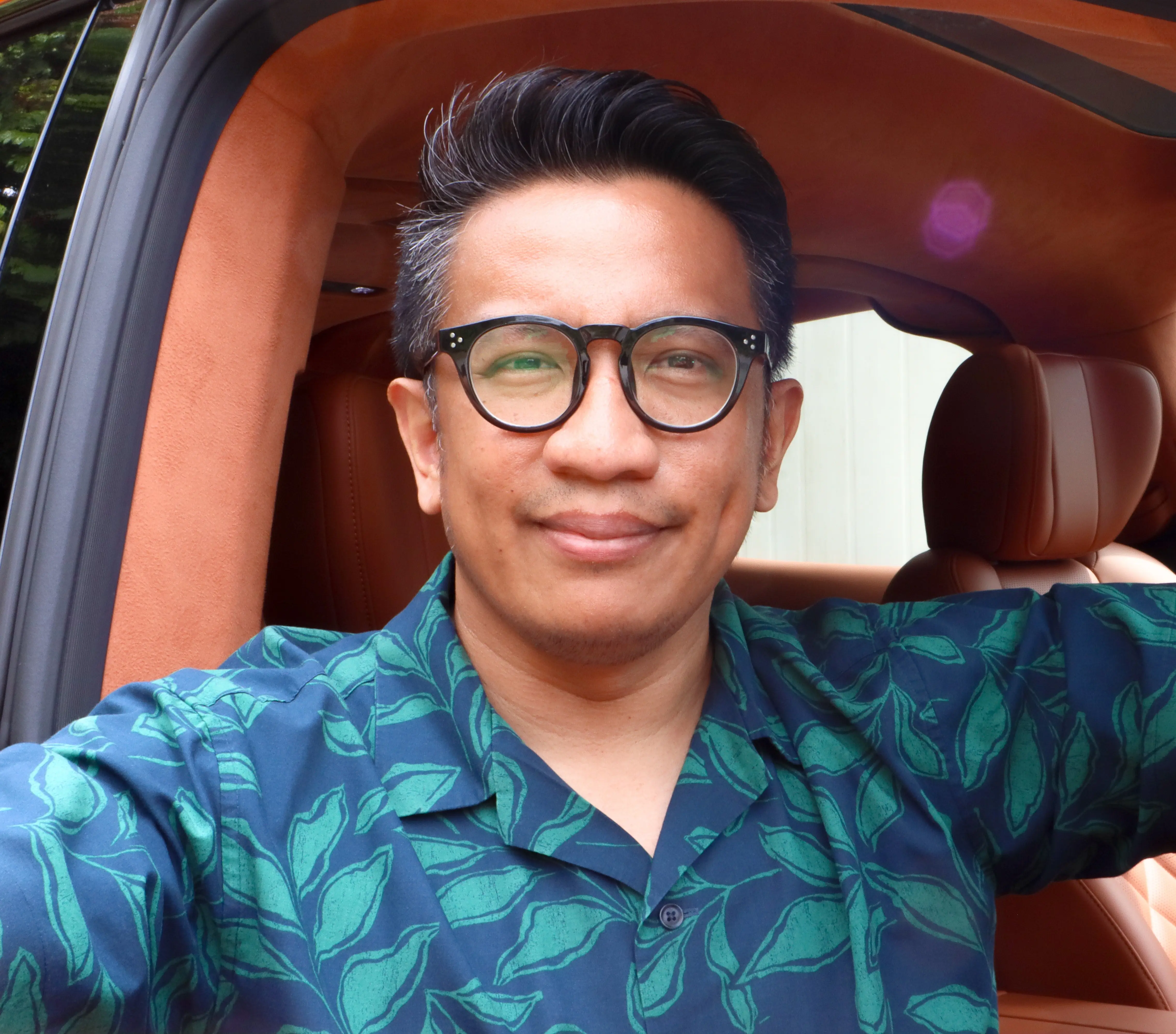
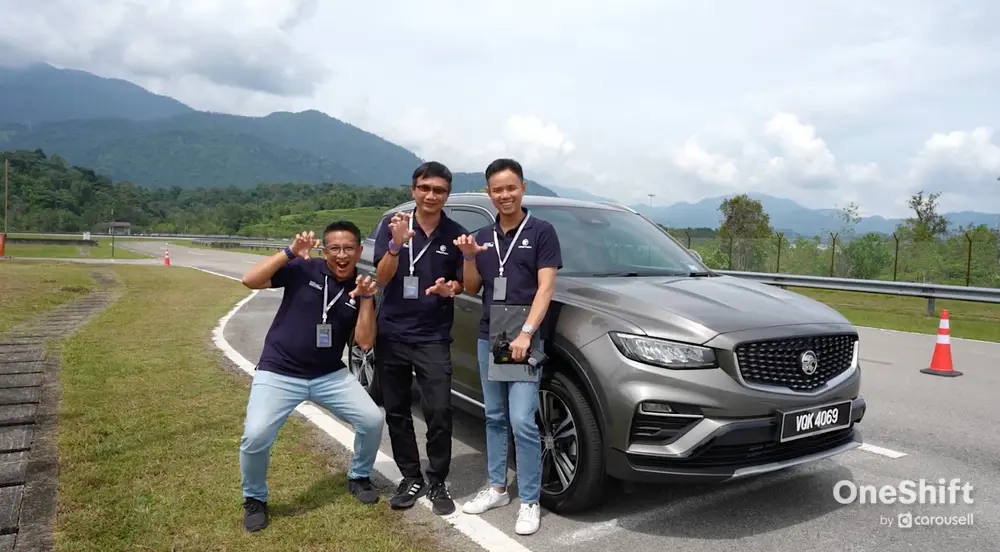
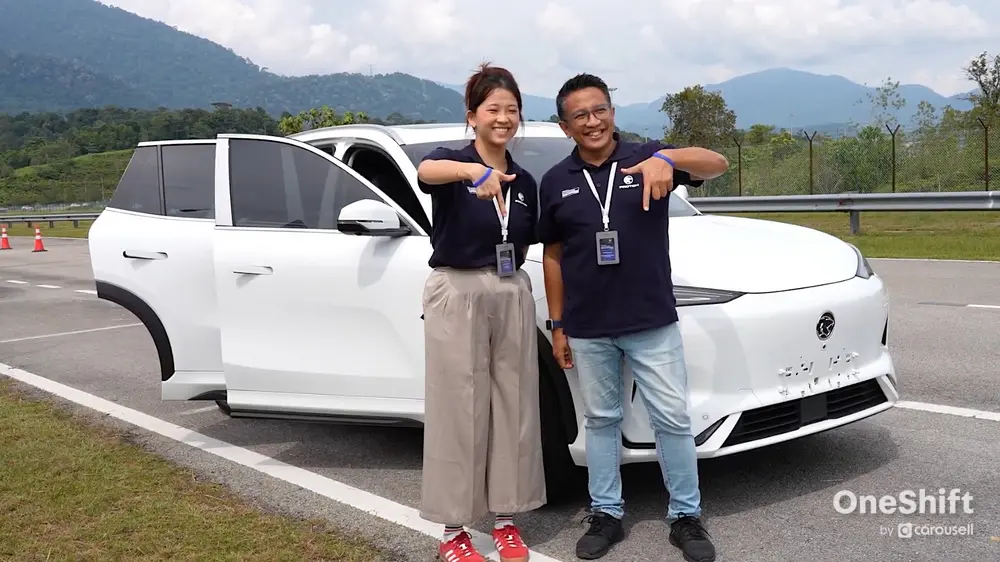
There are some cars you remember because they were quick. Others because they were beautiful.
But every now and then, a car brand becomes something more. It quietly weaves itself into your family's history, accompanying birthdays, road trips, school runs and weekend errands until, one day, you realise it's been there all along.
For me, that brand is Proton.
Long before I became an automotive journalist, before test drives and press launches became part of my calendar, Proton was simply the family car. It all started with my uncle in Kuala Lumpur, who always seemed to own whatever Proton had just introduced since the 1980s. There was the original first-generation Saga, followed by its facelifted successor. Then came a Saga Iswara Aeroback for his kids, before company-issued rides elevated him into a Wira sedan and, eventually, the stately Perdana V6.
Well, my late father didn't take much convincing. Inspired by his youngest brother's positive ownership experience, Dad bought a Saga Aeroback 1.3 that faithfully carried my elder sister and me through our school years. As our family grew, so did the car, making way for a Wira 1.5 GLi sedan that became another familiar part of our lives.
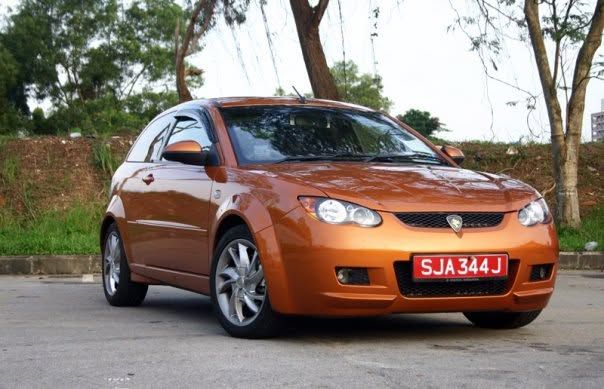
(Above: My first Proton Satria Neo, photo taken the day after I took delivery.)
Then years later, history repeated itself. Fresh into my career - and with a budget that wasn't exactly overflowing - I bought a Proton Satria Neo brand new in 2007, which stayed with me until 2012. Then after being car-less, in 2015, a close friend needed to sell his own Satria Neo to upgrade to an MPV for his expanding family - he offered me a price that was simply too good to refuse.
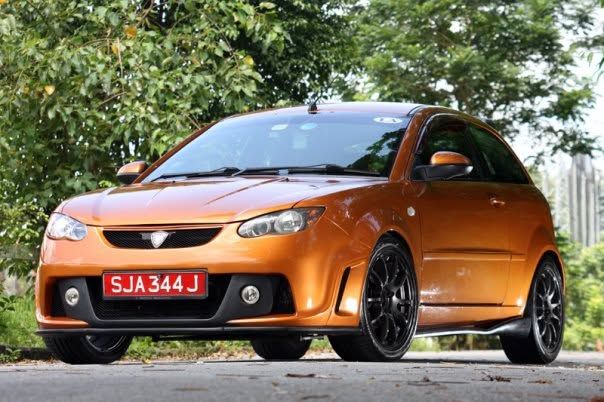
(Above: The same car, given some sprucing up after the 3-years warranty was over.)
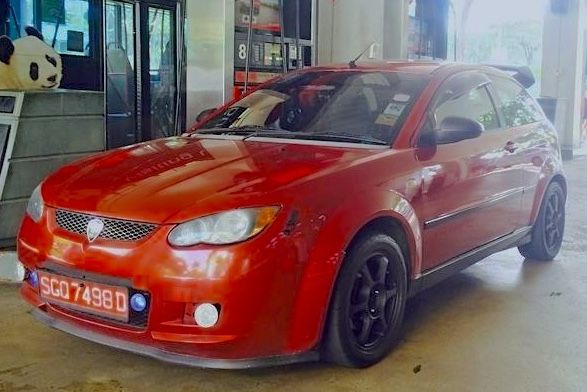
(Above: My second Satria Neo, purchased from a friend at a bargain.)
So yes... somehow I ended up owning two Satria Neos, one after another...
Even today, Proton remains firmly embedded within the family. My cousins in Kuala Lumpur continue flying the flag with everything, from Saga BLMs and Saga FLs, to an X70 and X50.
Looking back, it's remarkable how intertwined Proton has become with my family's motoring story. Which is why, when Proton International invited me to the inaugural Proton International Media Experience, this didn't feel like just another overseas assignment; it felt, oddly, personal.
How It All Started
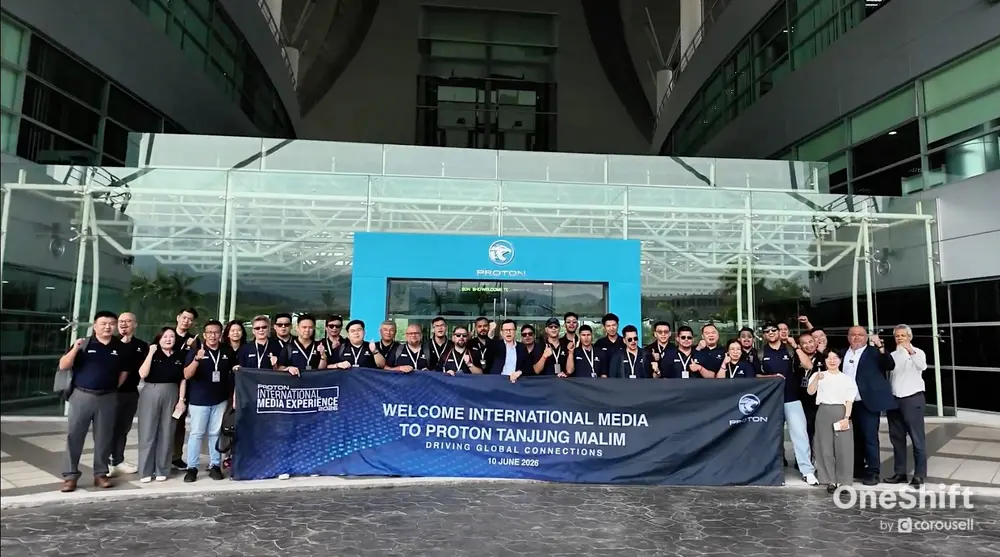
Our journey would eventually begin in Proton City, Tanjong Malim.
However for me, Proton's story started somewhere else entirely. You see, before Tanjong Malim became synonymous with the national carmaker, Proton's home was Shah Alam.
Whenever my family visited Kuala Lumpur, we'd often travel between my aunt's house in Subang Jaya and my said uncle's home in Shah Alam. My dad always preferred taking the shortcut that passed the old Proton factory, and for a young boy fascinated by anything with four wheels, that drive was always the highlight. I'd press my face against the window, hoping traffic would slow.
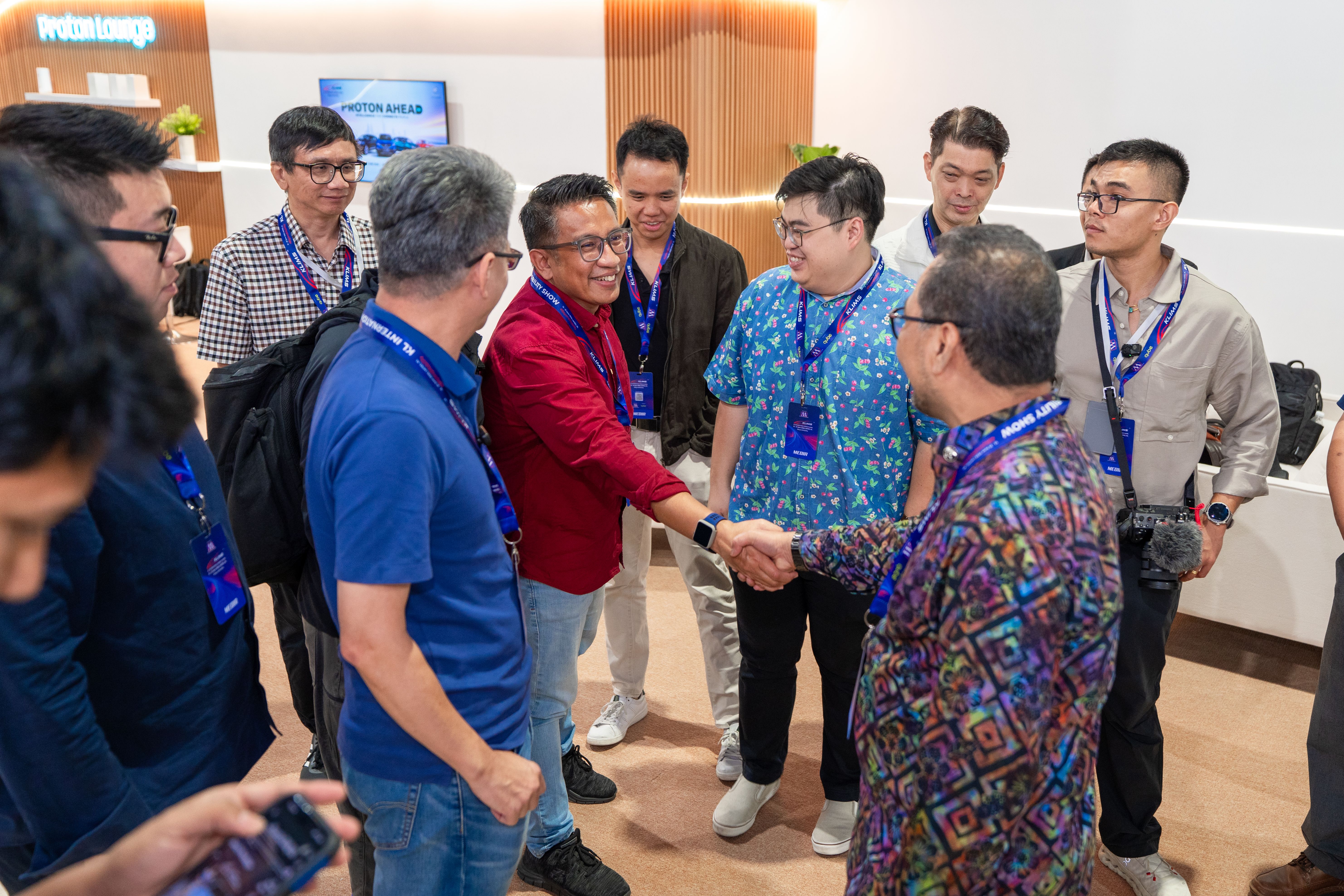
(Above: Shaking hands with Proton's Deputy Chief Executive Officer, Datuk Abdul Rashid Musa at KLIMS 2026.)
Beyond the factory fences were endless rows of gleaming new Protons waiting to be transported across Malaysia. Depending on the year, I'd spot Iswaras lined up beside Wiras, elegant Perdanas parked next to sporty Satrias and Putras, before later making way for the Waja.
Seeing hundreds of brand-new cars together was mesmerising enough; watching them being carefully loaded onto towering car carriers made it even better.
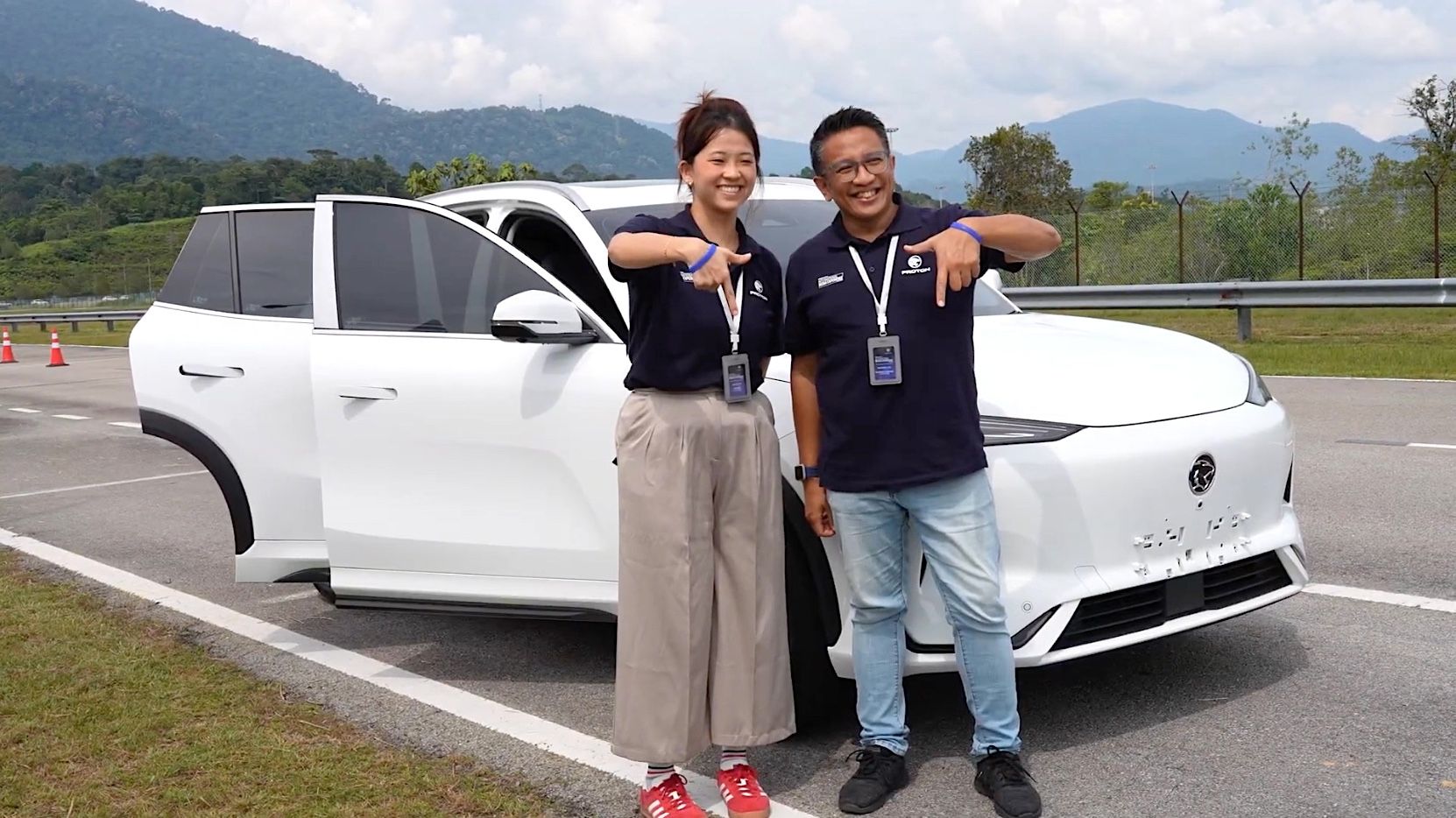
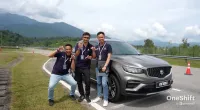
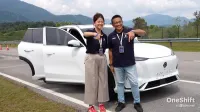
(Above: Sampling the e.MAS 7 on Proton's factory test track.)
At that age, I had no idea how those cars were built; I simply knew that somewhere behind those walls, magic happened.
Today, the Shah Alam plant has become an important chapter in Proton's history. After producing millions of vehicles over four decades, manufacturing gradually shifted to Proton City in Tanjong Malim - a move that wasn't simply about changing addresses. It represented Proton's transformation into a modern automotive manufacturer, with greater production capacity, higher levels of automation and facilities designed to support hybrid and electric vehicles, alongside conventional models.
Standing outside the Tanjong Malim plant decades later, I couldn't help but smile. The little boy who once stared through the fences at Shah Alam was finally about to step inside.
Behind Malaysia's National Carmaker
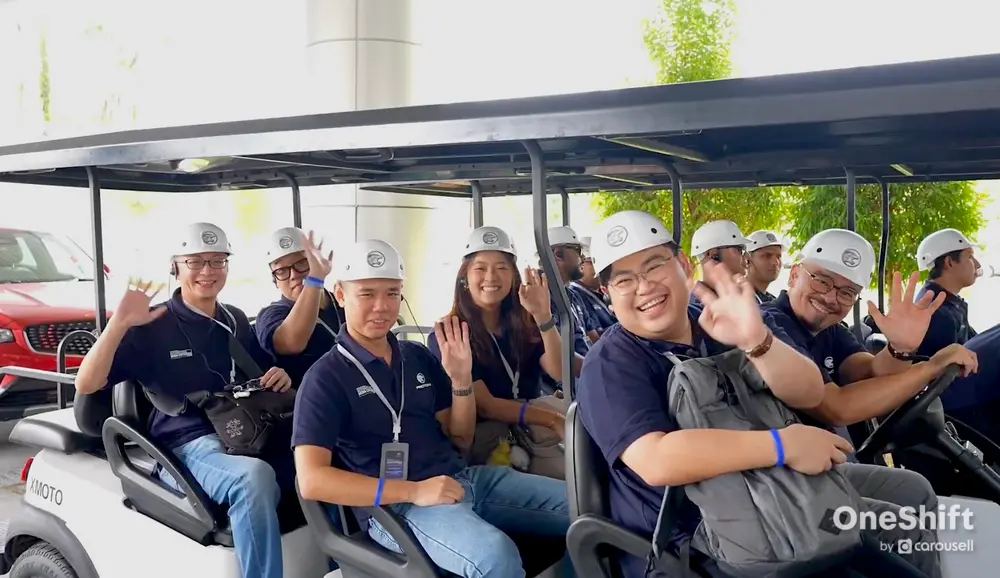
Walking through Proton City was fascinating. The first thing that struck me wasn't the robots, nor was it the people; it was how naturally both worked together.
Huge robotic arms moved with incredible precision, welding body panels and carrying out heavy, repetitive tasks with almost hypnotic consistency. Working alongside them were skilled technicians handling detailed assembly work, inspections and finishing processes that still rely heavily on human judgement and craftsmanship.
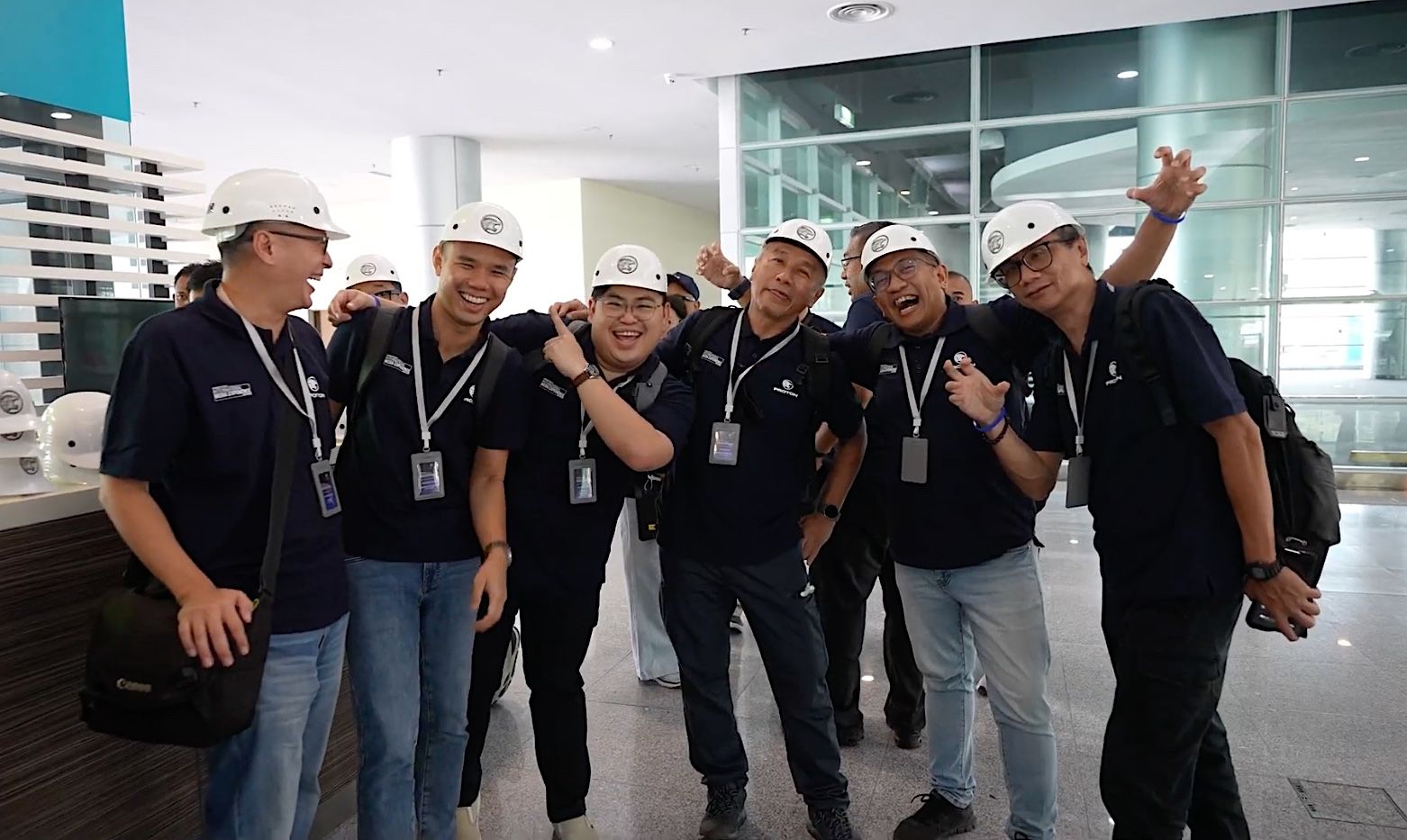
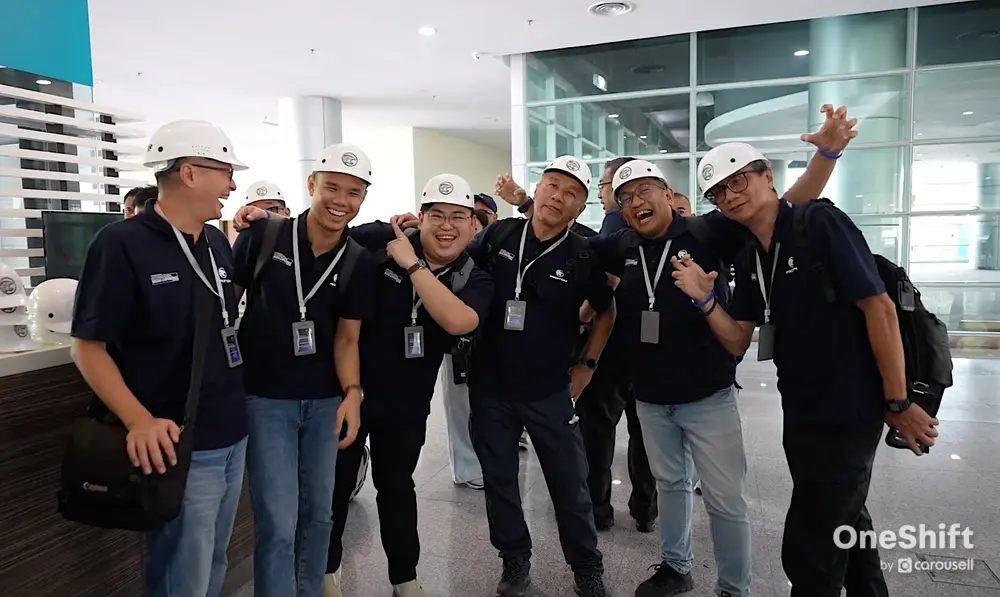
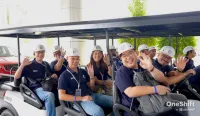
(Above: With other members of Singapore's automotive media in Tanjong Malim.)
It's a partnership rather than a replacement; automation brings consistency, while people bring experience. Together, they produce today's Proton.
Equally exciting was getting a sneak peek into Proton's dedicated EV assembly facility.
Naturally, much of what I saw remains confidential (hence the rather limited factory visit photos in this story), but one thing became immediately obvious: Electrification isn't being treated as a side project. The investment, planning and infrastructure all point towards a company preparing itself for a very different automotive future.
Discovering a New Generation
Of course, no visit to Proton would be complete without driving its latest products.
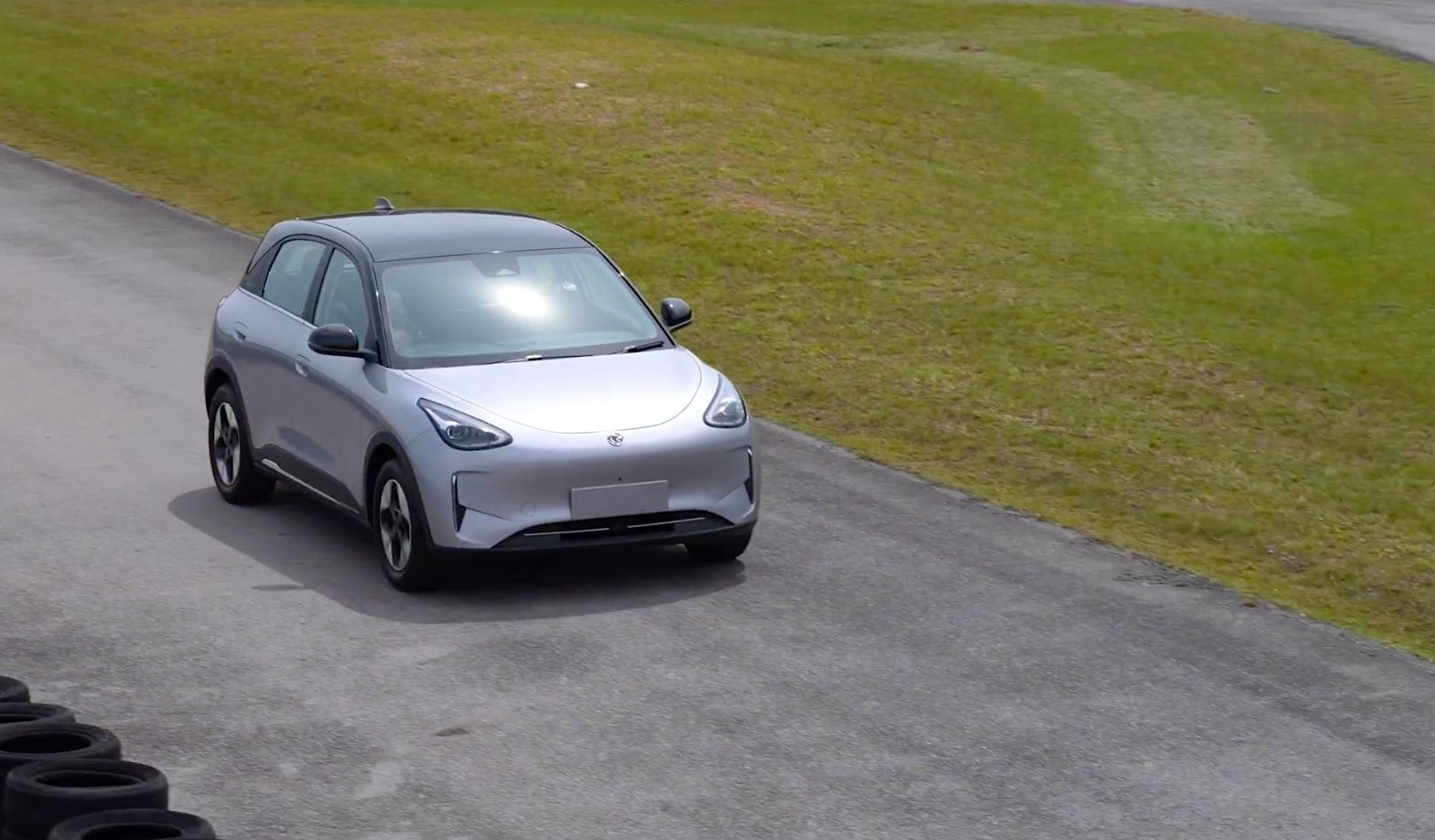
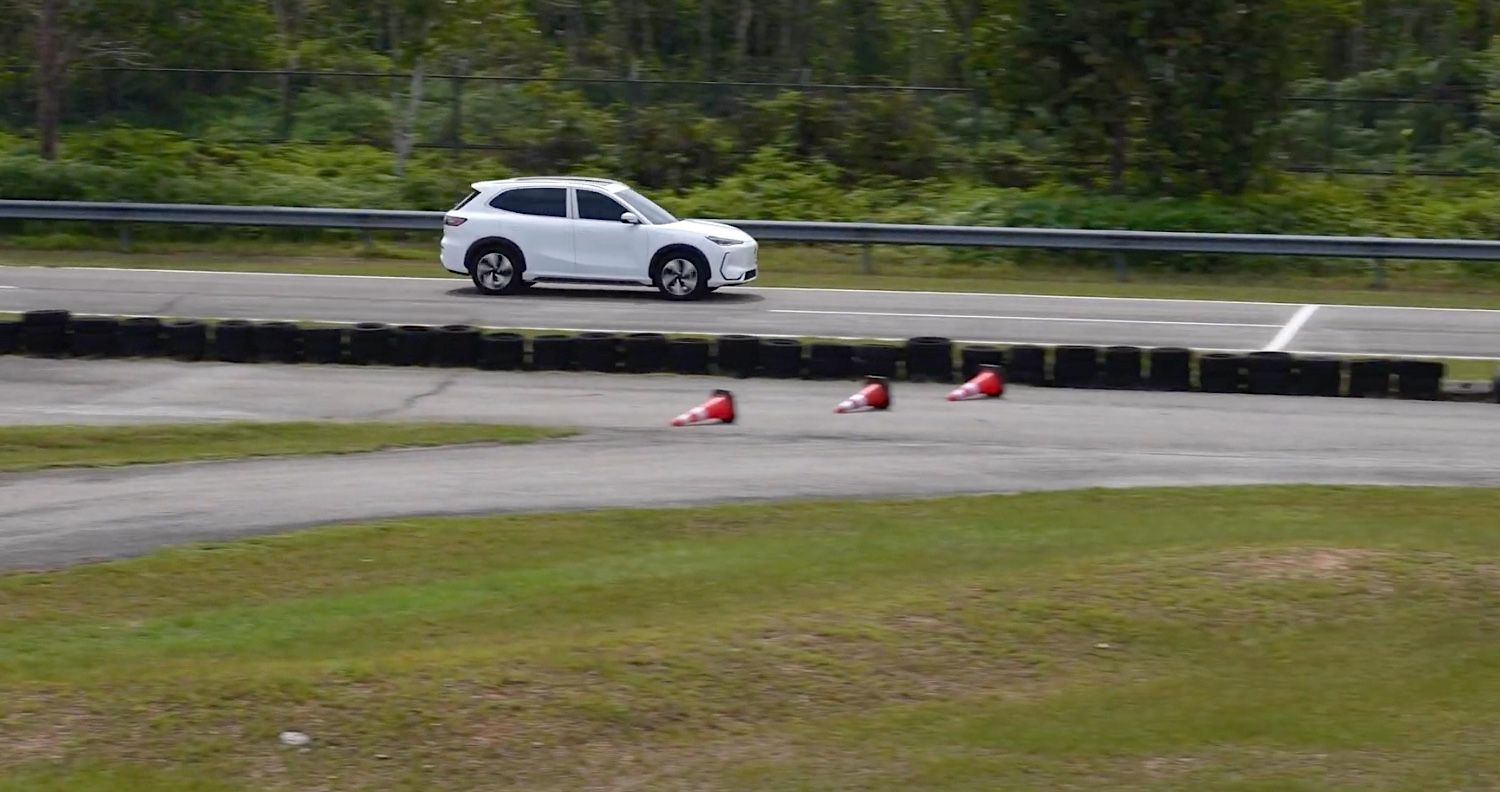
The proving ground became our playground as we sampled almost the entire range - from the latest generation Saga and hugely popular X50, to the latest electrified models including the e.MAS 5, e.MAS 7 and the upcoming e.MAS 7 PHEV.
Personally speaking, driving them all back-to-back highlighted just how dramatically Proton has evolved - yes, the technology has improved, the cabins are more sophisticated and the infotainment systems are vastly more advanced.
But what impressed me most was something less tangible: Refinement.
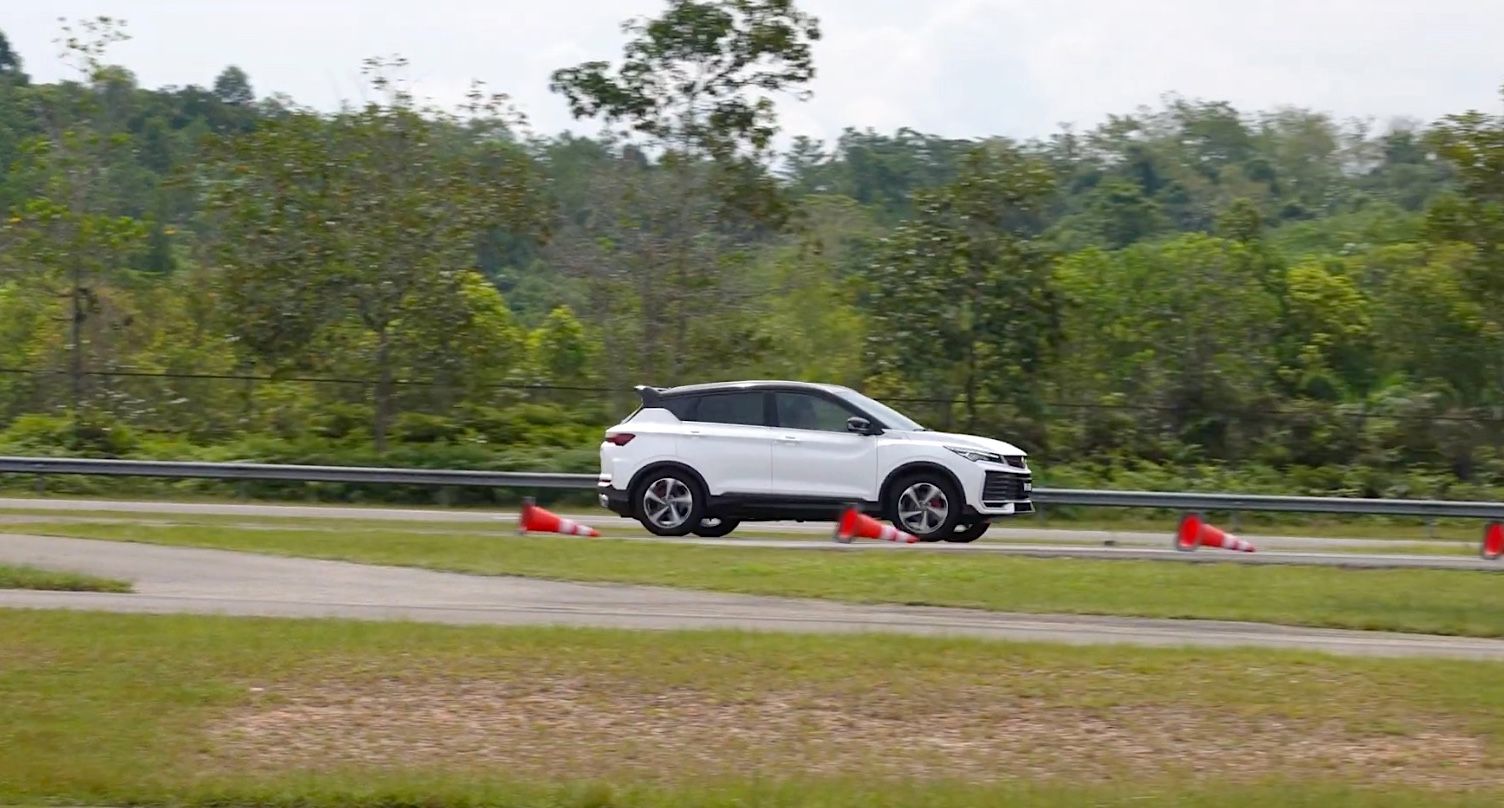
The cars feel quieter, more composed and engineered with a confidence that simply didn't exist twenty years ago. They no longer depend solely on affordability to win buyers over - there's genuine maturity in the way they drive, and that's perhaps Proton's biggest achievement (pun intended – Proton’s corporate slogan was once ‘Spirit of Achievement’).
A Glimpse Into Tomorrow
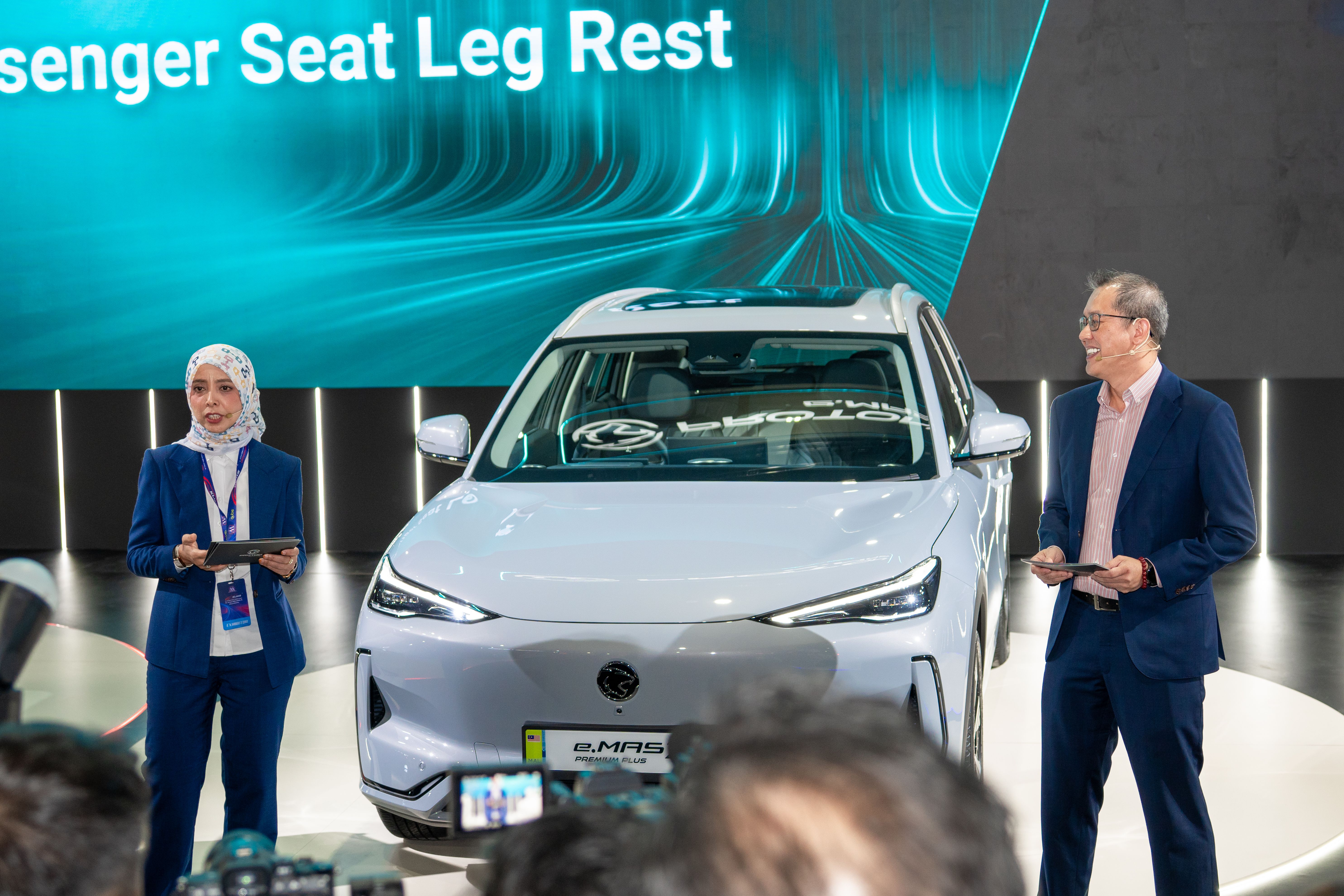
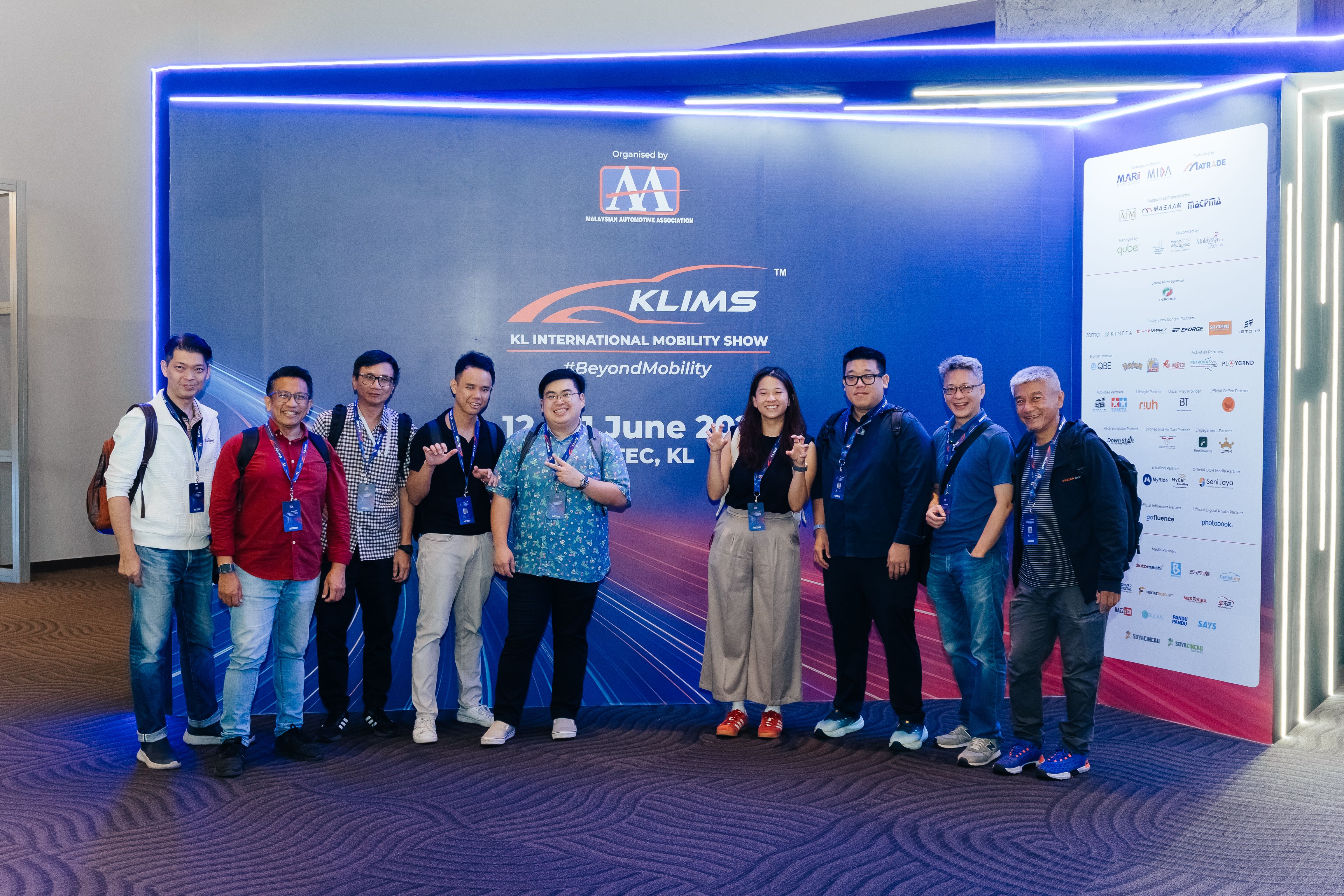
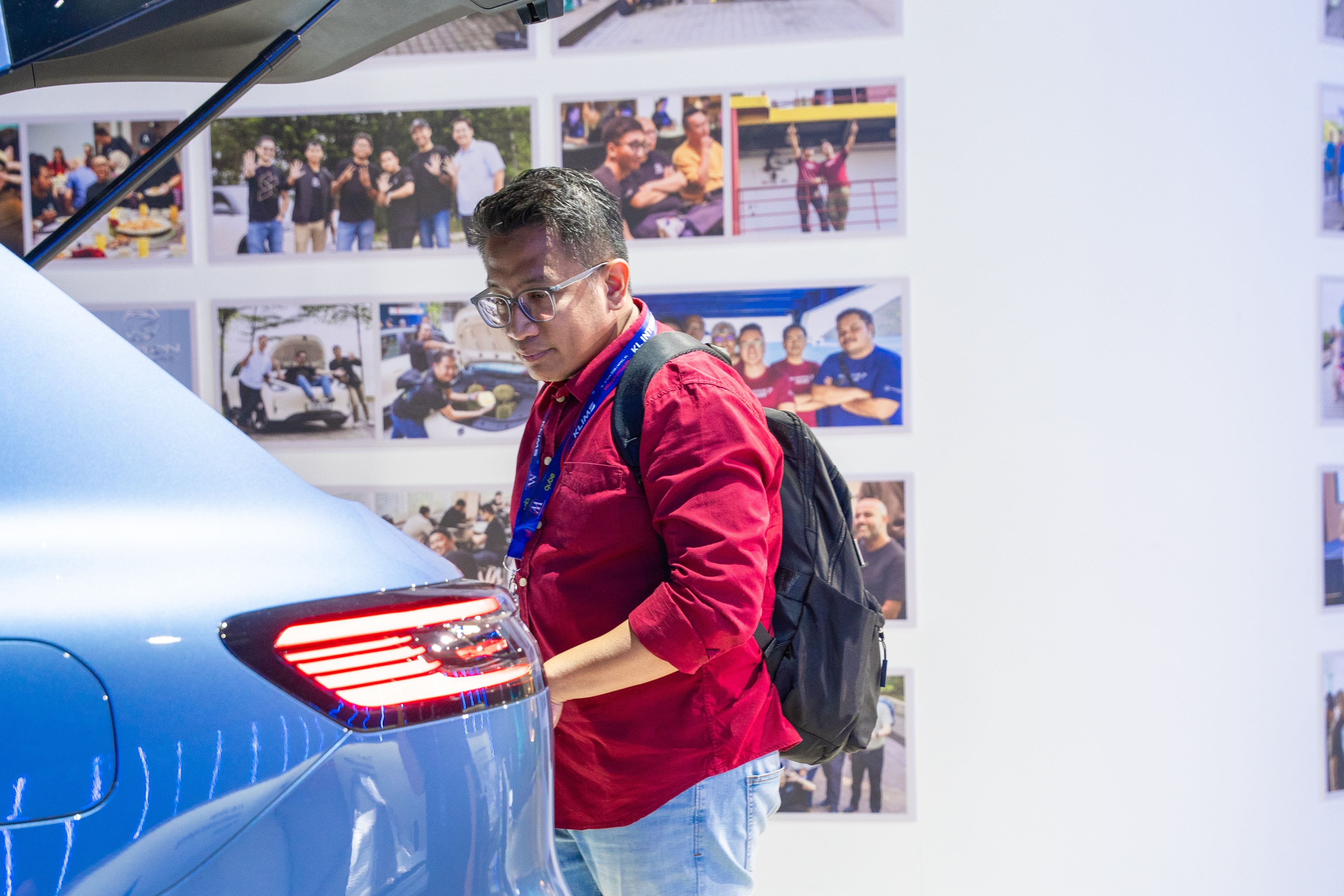
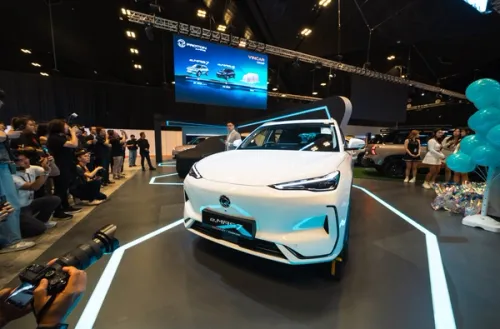
Our timing couldn't have been better. The visit coincided with Kuala Lumpur International Mobility Show (KLIMS) 2026, where Proton showcased not only its latest products but also its broader ambitions for the years ahead.
Among the highlights was the debut of Proton's new 1.5-litre Dedicated Hybrid Engine (DHE), signalling another important step in the company's electrification journey.
Sharing the spotlight were the enhanced e.MAS 7 Premium Plus and the new e.MAS 7 PHEV, further reinforcing that Proton's future won't be defined by a single powertrain, but by offering customers genuine choice.
Simply put, it was a reminder that today's Proton is thinking well beyond tomorrow's showroom.
Where The Future Is Engineered
The second half of our journey took us nearly 4,000 kilometres north to Hangzhou Bay, near Shanghai.
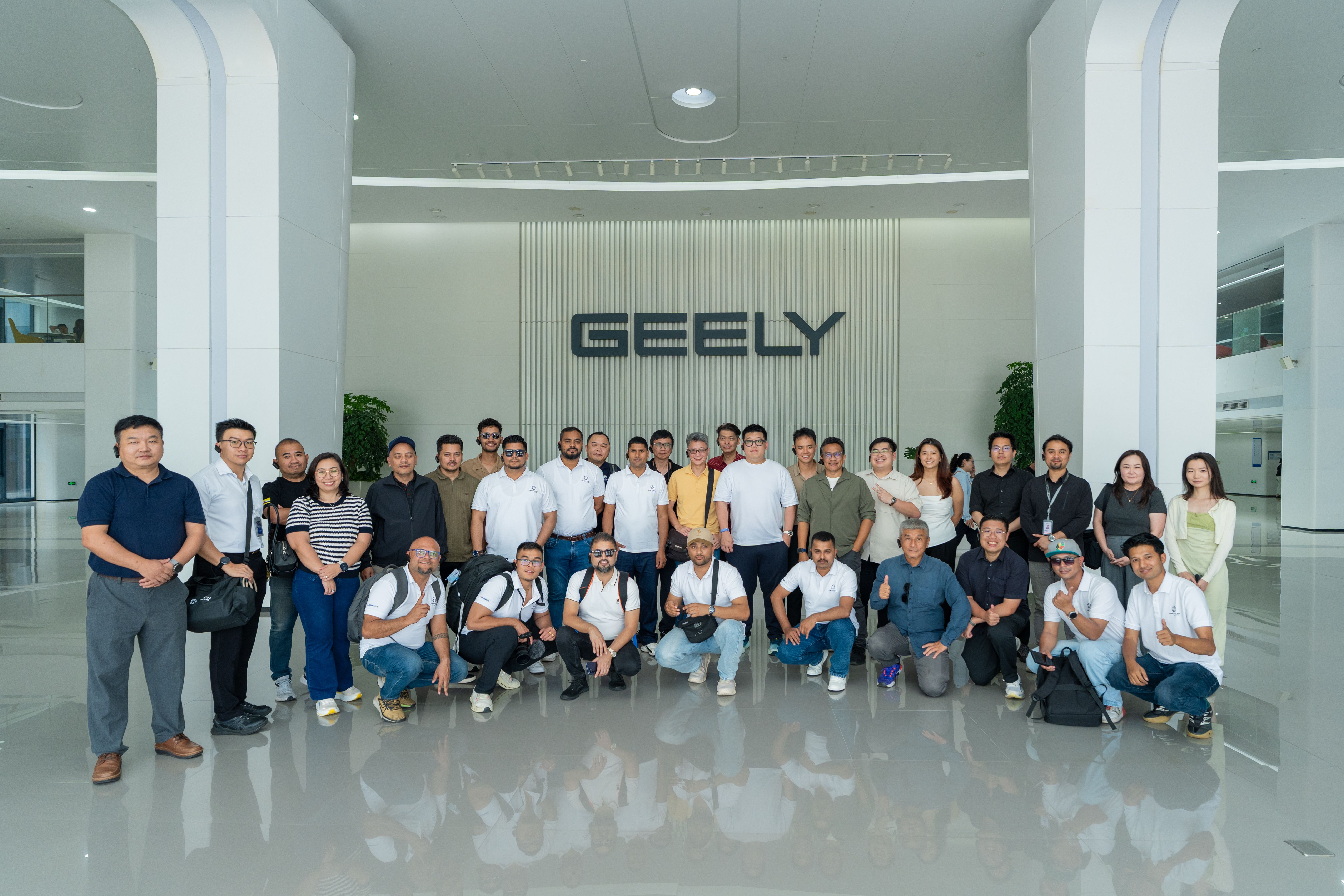
If Tanjong Malim showed us how Proton builds cars, Hangzhou Bay revealed where those ideas are born. We visited Proton's Research & Development Centre before touring Geely's immense engineering complex, where laboratories dedicated to materials science, climate simulation, electronics validation, durability testing, NVH development and crash tests stretch across what feels like an entire city devoted to automotive engineering.
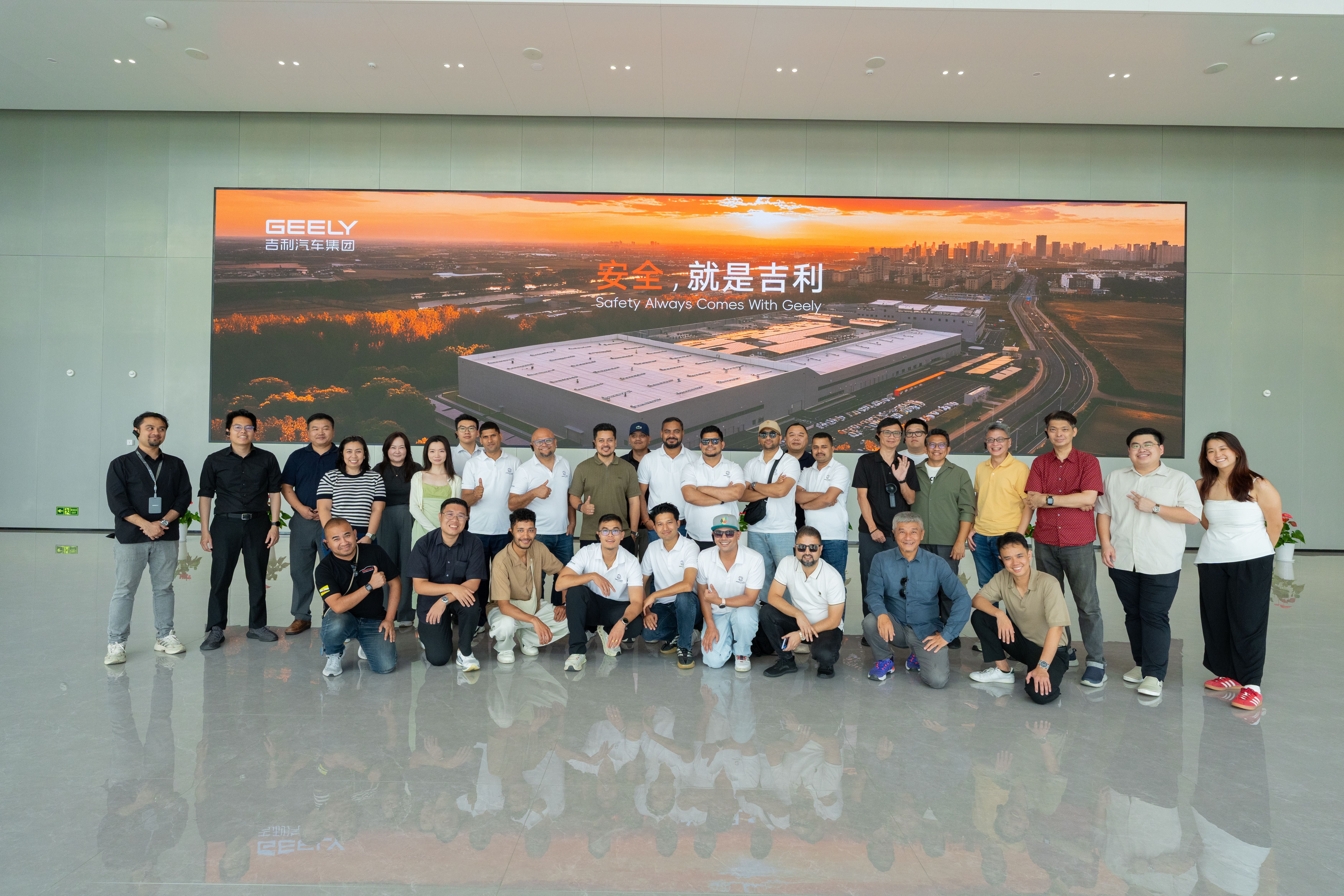
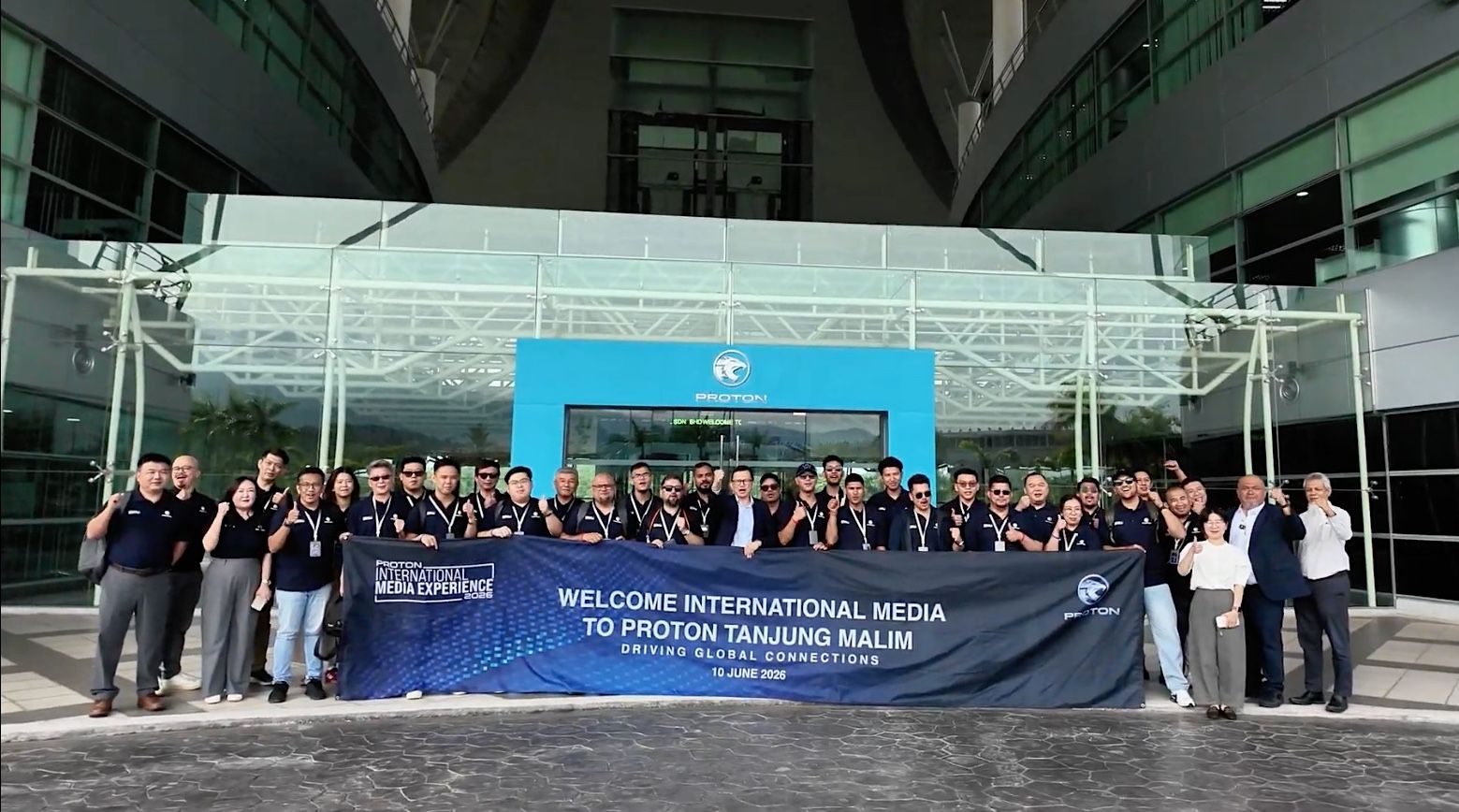
(Above: The Proton International Media Experience 2026 consisted of members of the automotive media from Singapore, Nepal and Brunei.)
The scale is difficult to comprehend until you're standing in the middle of it.
Every switch, seat, weld, battery, electronic module exhaust; nothing reaches production without undergoing exhaustive testing. One particularly memorable moment came while walking through secured development areas where camouflaged prototypes quietly hinted at what lies ahead. Among the disguised test vehicles were models from across the Geely family, including unmistakable silhouettes belonging to Volvo, and surprise, surprise Mercedes-Benz.
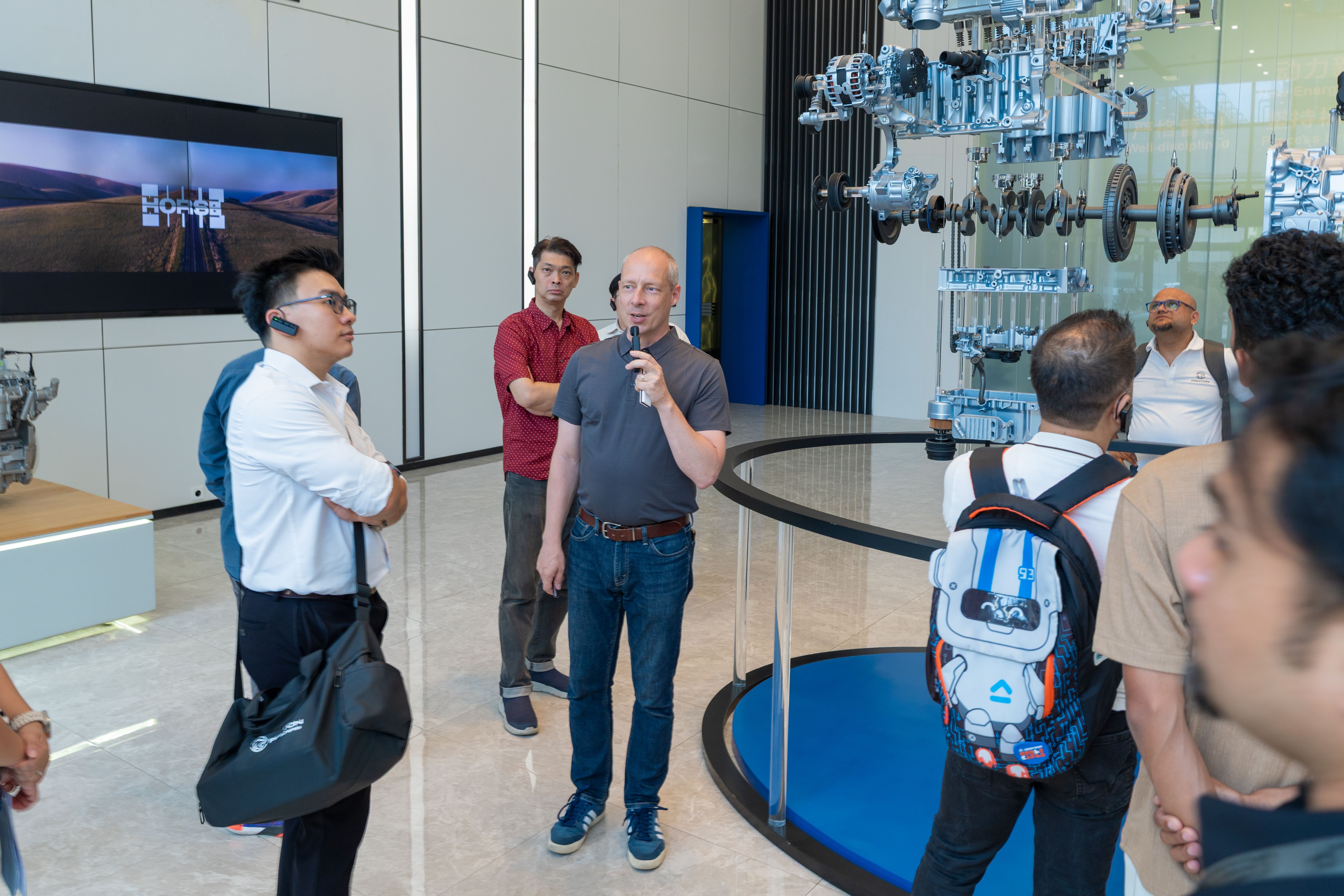
Naturally, photography was strictly prohibited. Sometimes, however, memories are better than photographs.
What impressed me most wasn't merely the size of Geely's engineering operation - it was how often Proton featured in discussions.
Far from being treated as a distant subsidiary, Proton appears deeply integrated into the wider Geely ecosystem, benefiting from shared engineering expertise, research capabilities and global development resources while continuing to maintain its own identity.
Suddenly, the transformation of today's Proton makes perfect sense; they’re no longer mere ‘badge-engineered’.
Coming Full Circle
As my flight home to Singapore climbed away from Shanghai, my thoughts drifted back - not to laboratories, robots or camouflaged prototypes, but to those childhood drives past the old Shah Alam factory.
Back then, all I ever saw were rows upon rows of finished Protons waiting patiently to leave on transporters. This time, I had finally seen everything that happened before they reached those car carriers…
I walked through assembly lines, drove the latest models, witnessed the technology shaping Proton's hybrid and electric future, and seen the remarkable engineering ecosystem behind it all.
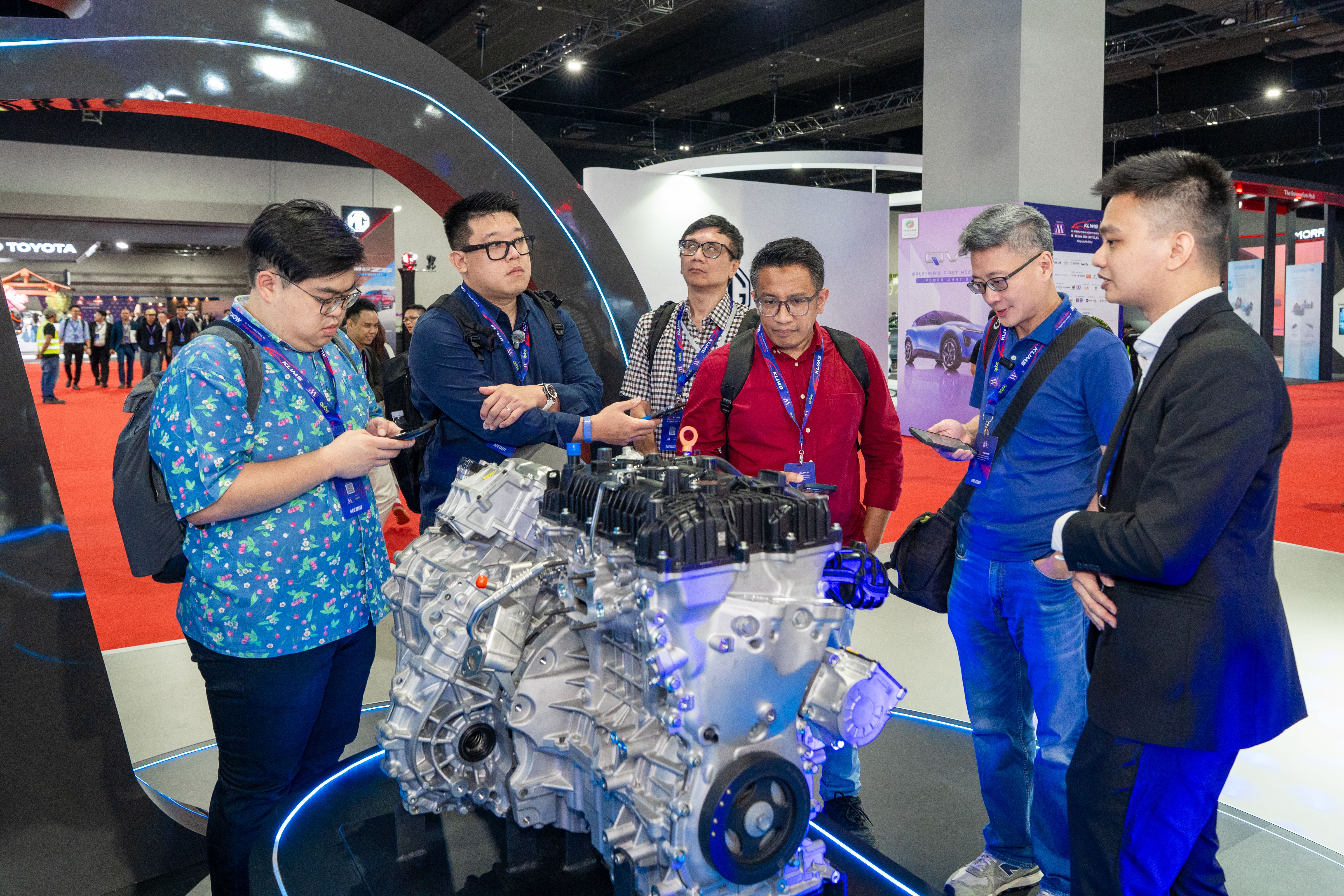
(Above: A Proton engineer explaining in detail the brand's newest DHE hybrid engine at KLIMS 2026.)
The little boy who once stared through the factory fences had finally made it to the other side.
For me, this wasn't simply another factory tour or overseas media event. It was a journey through my own memories, a deeper understanding of Malaysia's national carmaker, and a reminder that while Proton has travelled an extraordinary distance - from Shah Alam to Tanjong Malim, from petrol engines to electrification, from local manufacturer to a key member of the Geely family - it has never really left my family's story.
It has simply continued writing the next chapter.
And after seeing where that story is heading, I genuinely can't wait to read the next one.
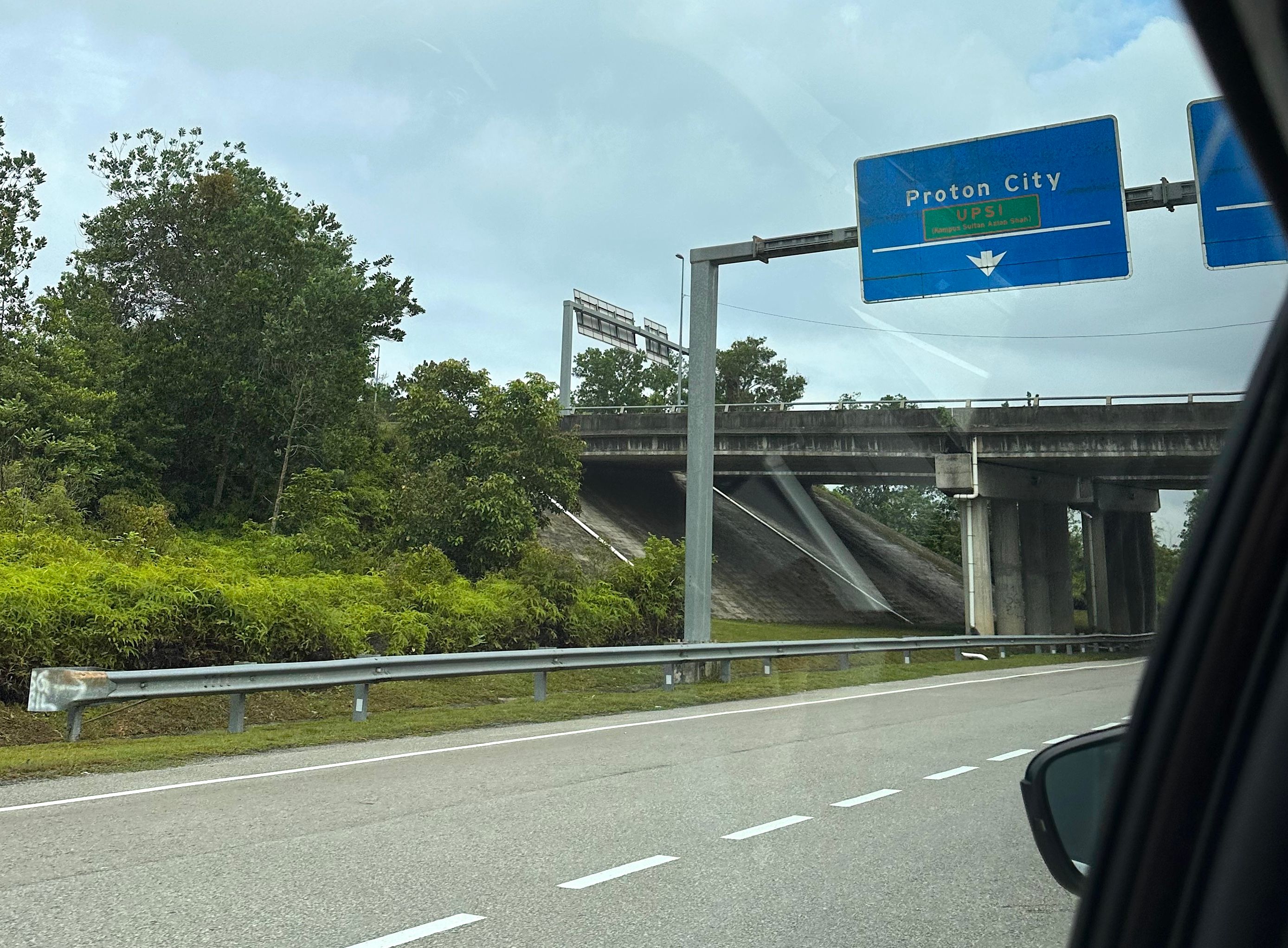
Photos by Proton International and Azfar Hashim (@azfar.talks).
---
Before you buy or sell your car, Carousell first.
Carousell Autos. Singapore’s largest direct owner marketplace for everything cars and motorcycles.


Get the Best Price for your used car
from 500+ dealers in 24 hours


 Convenient and Hassle-Free
- Consumer Protection
Transparent Process
With No Obligation


