


Proton e.MAS 5 Review: Back To Basics But In A Good Way
Proton’s smallest EV keeps things simple, comfortable and practical, making it an approachable first step into electric motoring.


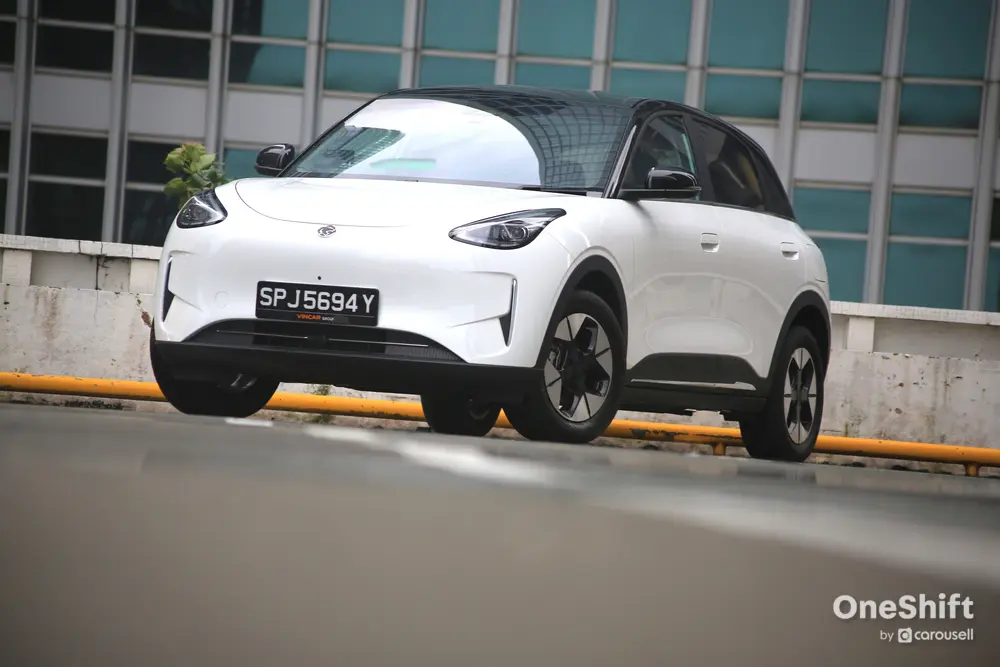
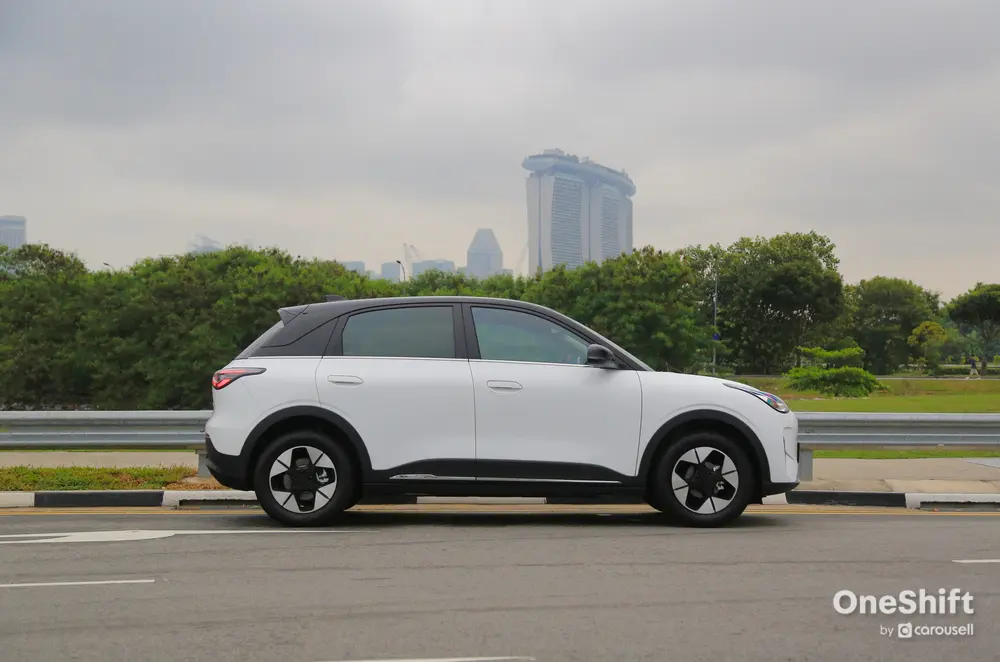
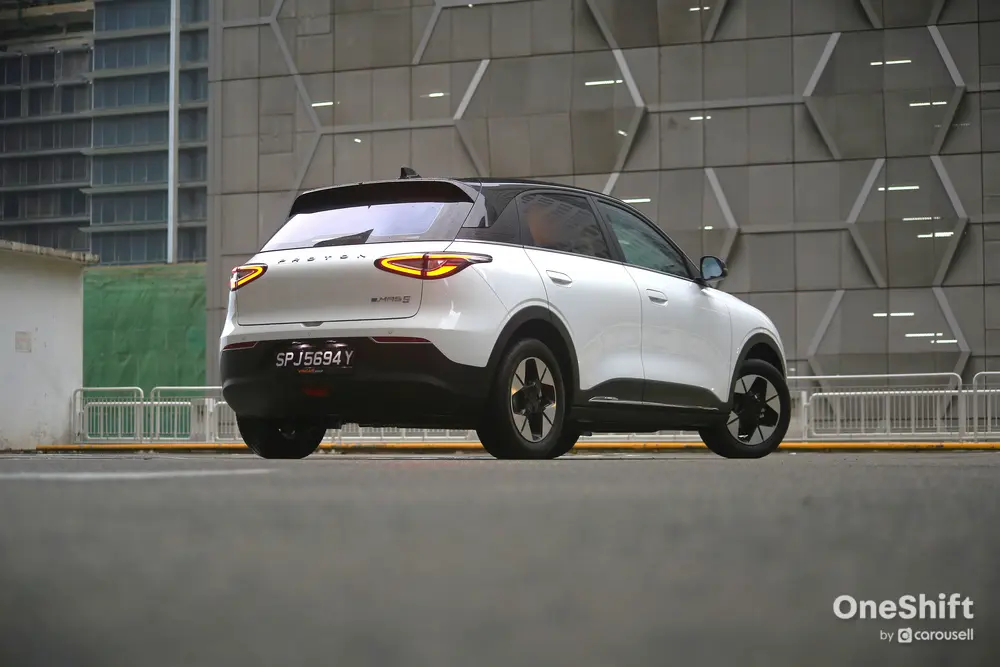
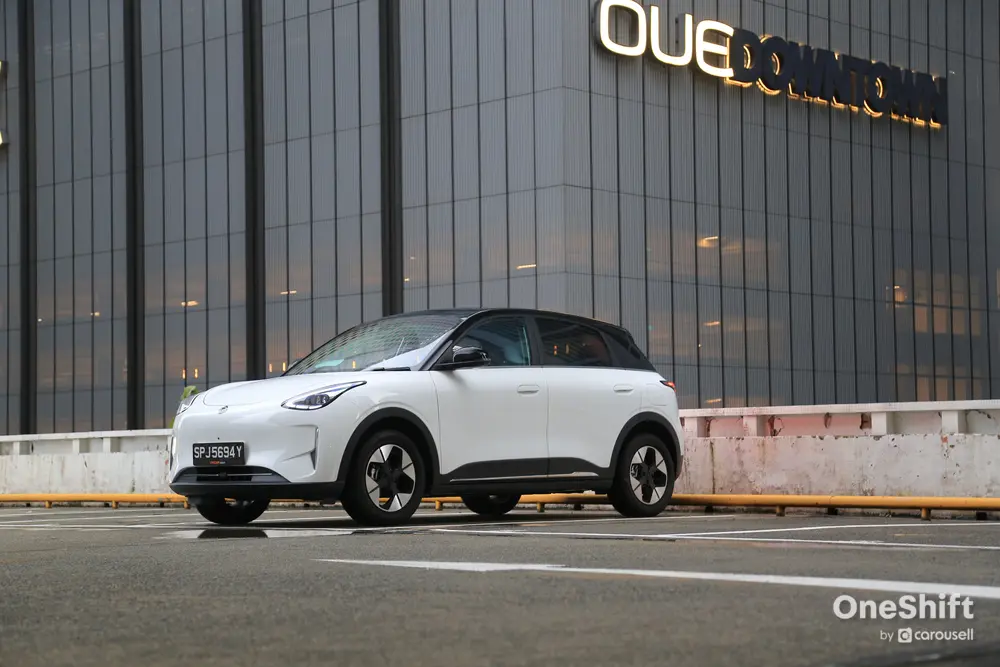
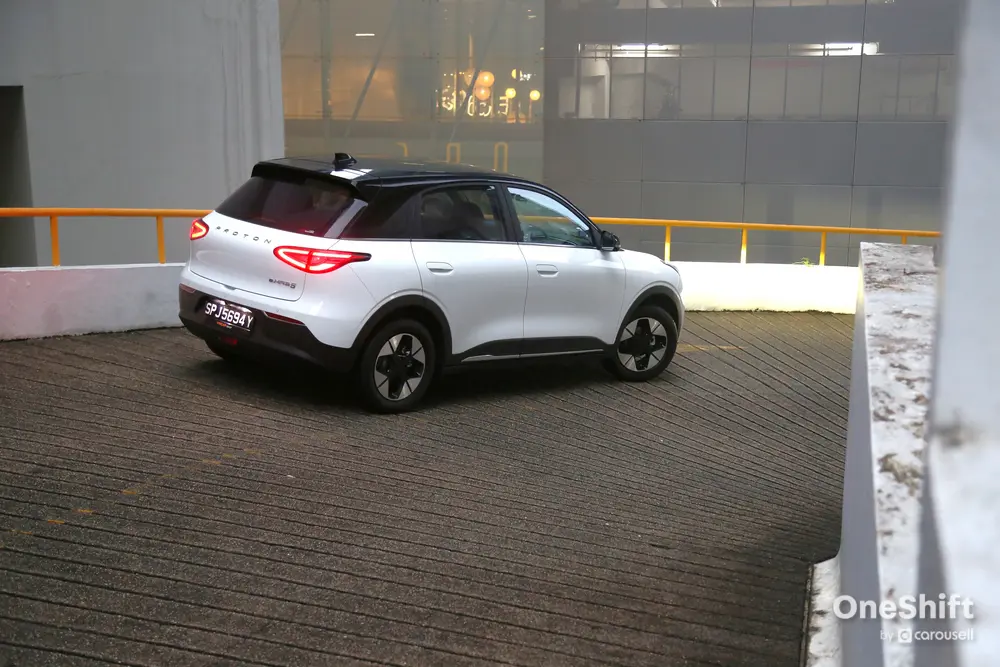
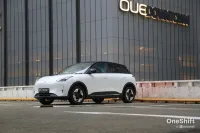
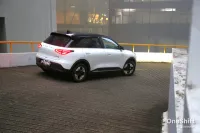
There is something strangely familiar about seeing a Proton badge on a small, affordable car again. For Singaporeans of a certain… ahem… vintage, Proton was once associated with straightforward, attainable motoring. No grand ambitions, no unnecessarily complicated technology and certainly no expectation that your dashboard should resemble the command centre of an airplane.
The e.MAS 5 brings some of that thinking into the electric age.
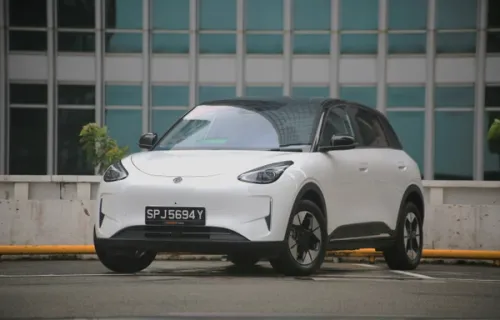
It is a compact five-door EV positioned squarely against the firefly, Aion UT and MG 4 Urban - cars aimed at buyers who want the benefits of electric motoring without paying for enormous batteries, silly acceleration figures or enough horsepower to rearrange the groceries.
More importantly, the e.MAS 5 makes a surprisingly strong case as a first EV; or indeed, a first car.
Aesthetically Speaking
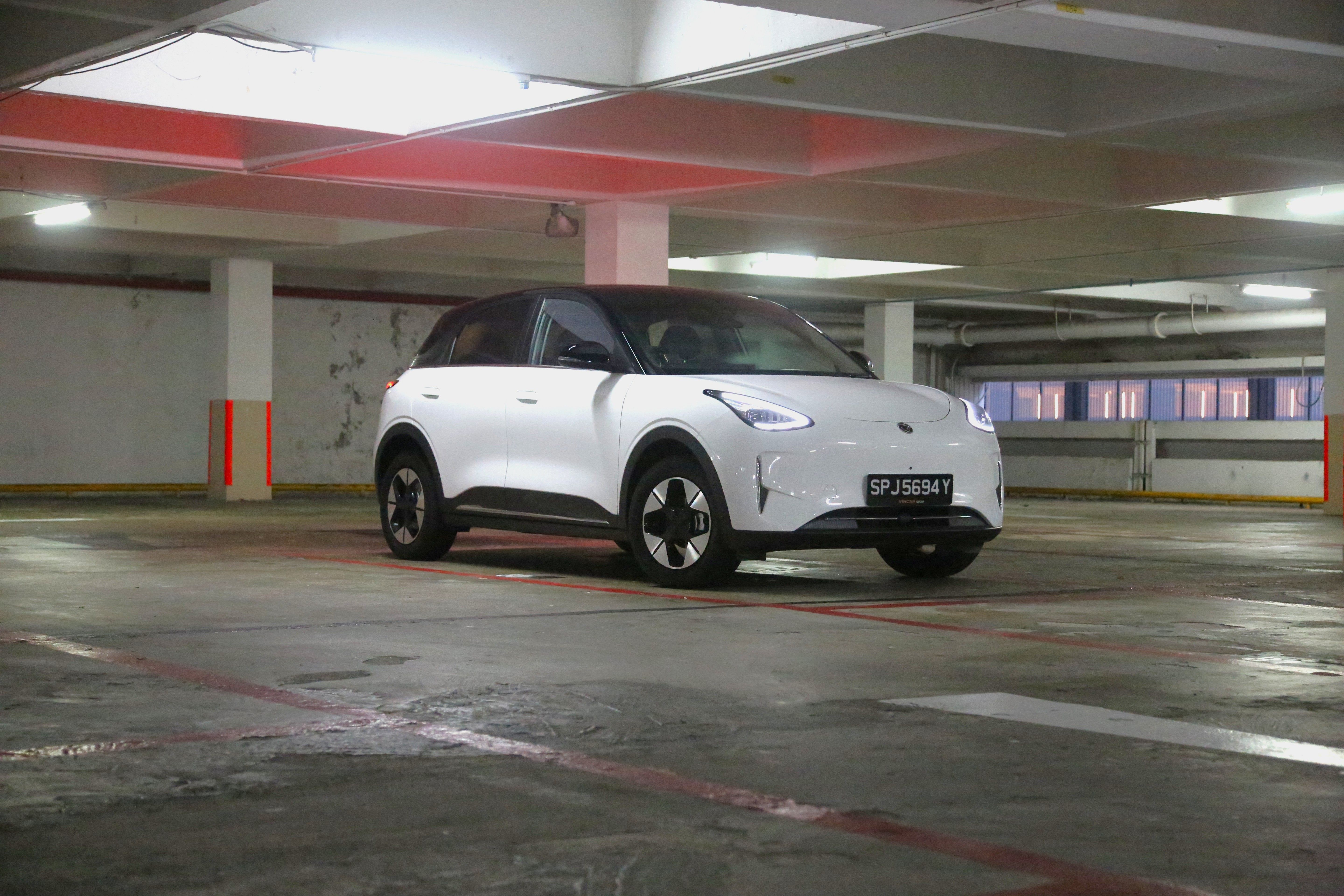
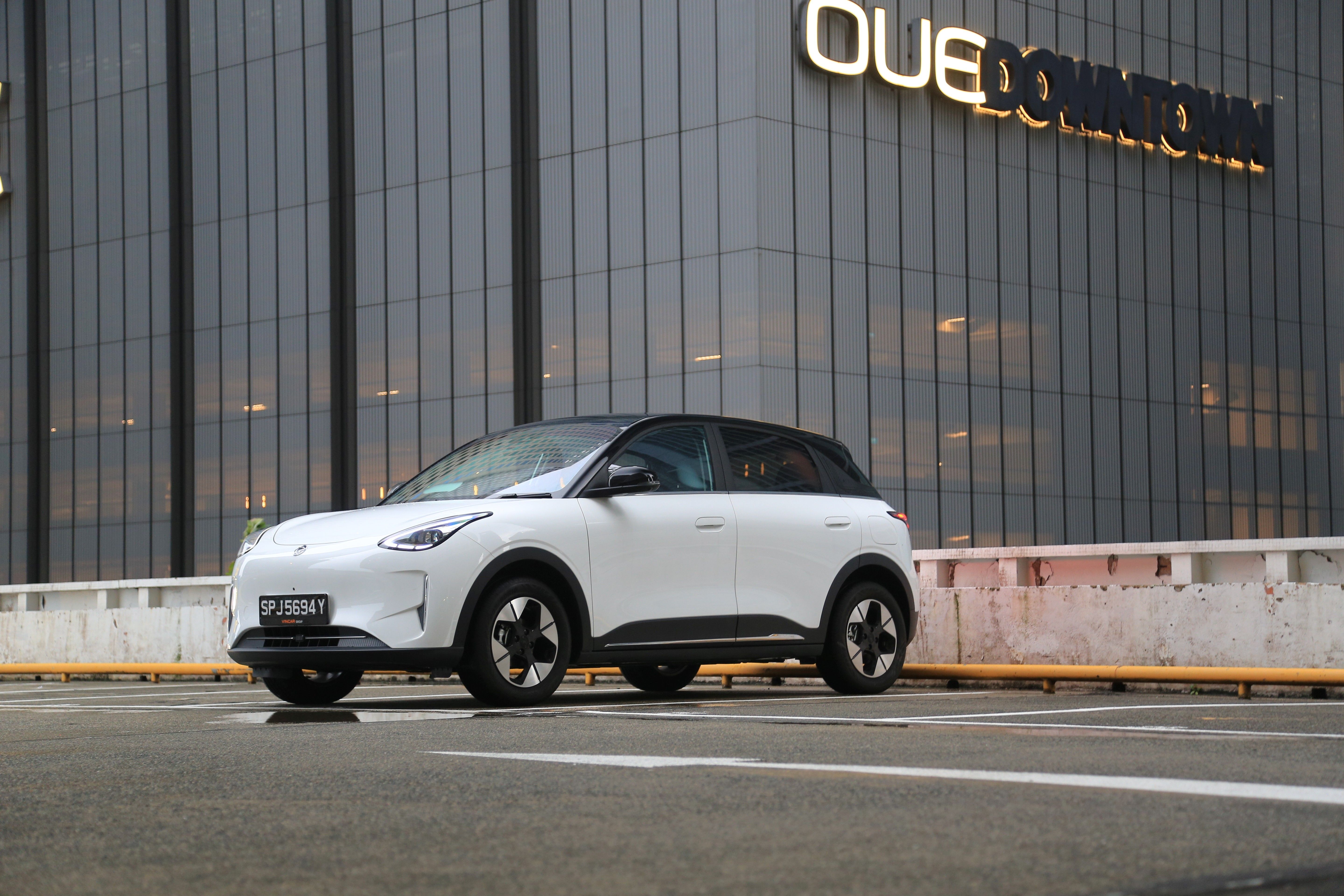
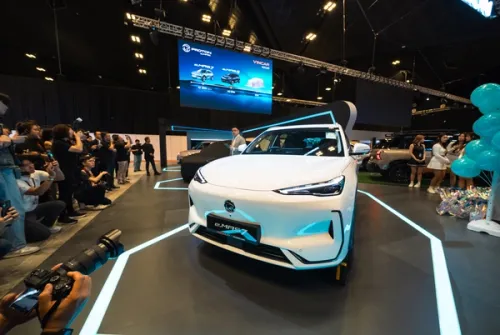
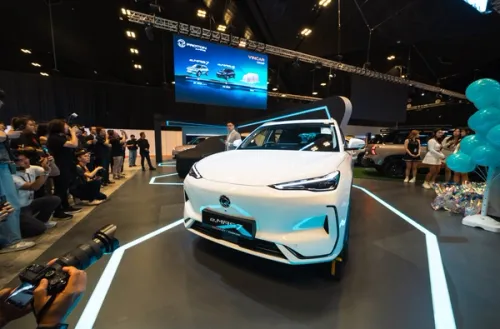
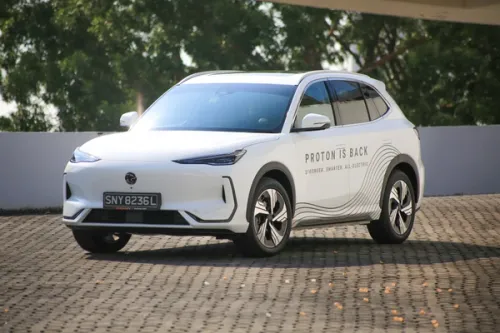
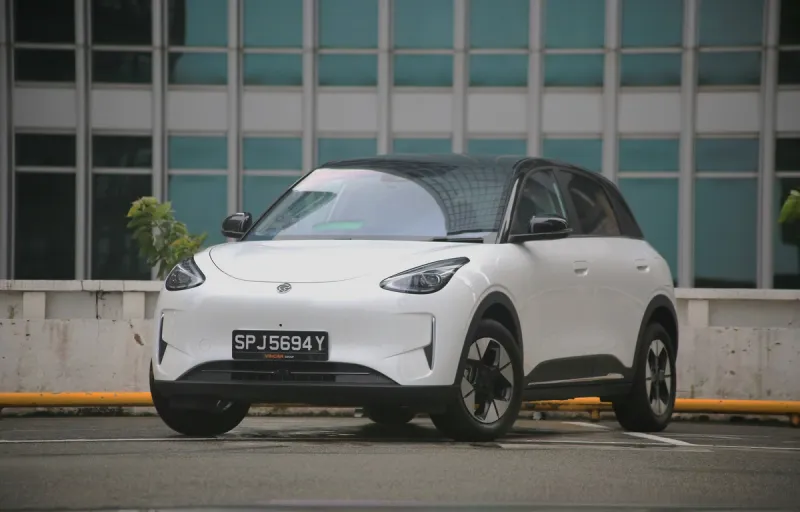
At 4,135 mm long and 1,805 mm wide, the e.MAS 5 is genuinely compact, although its 2,650 mm wheelbase allows Proton to make good use of its footprint.
It also looks pleasantly uncomplicated: There are no outrageous aerodynamic appendages or desperate attempts at appearing futuristic. To put it simply, it is modern without looking as though it escaped from a motor show concept stand…
That same philosophy continues into its cabin.
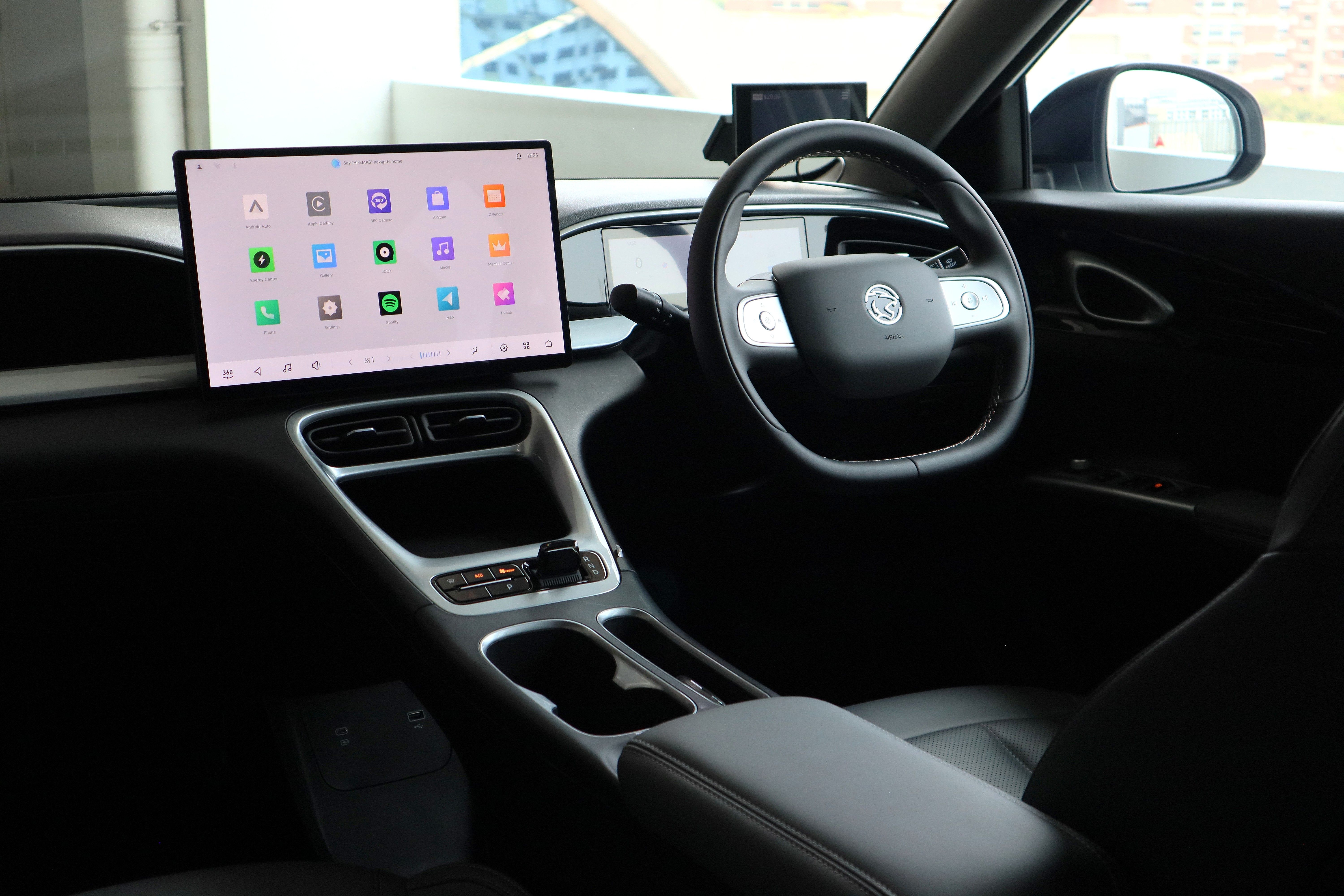
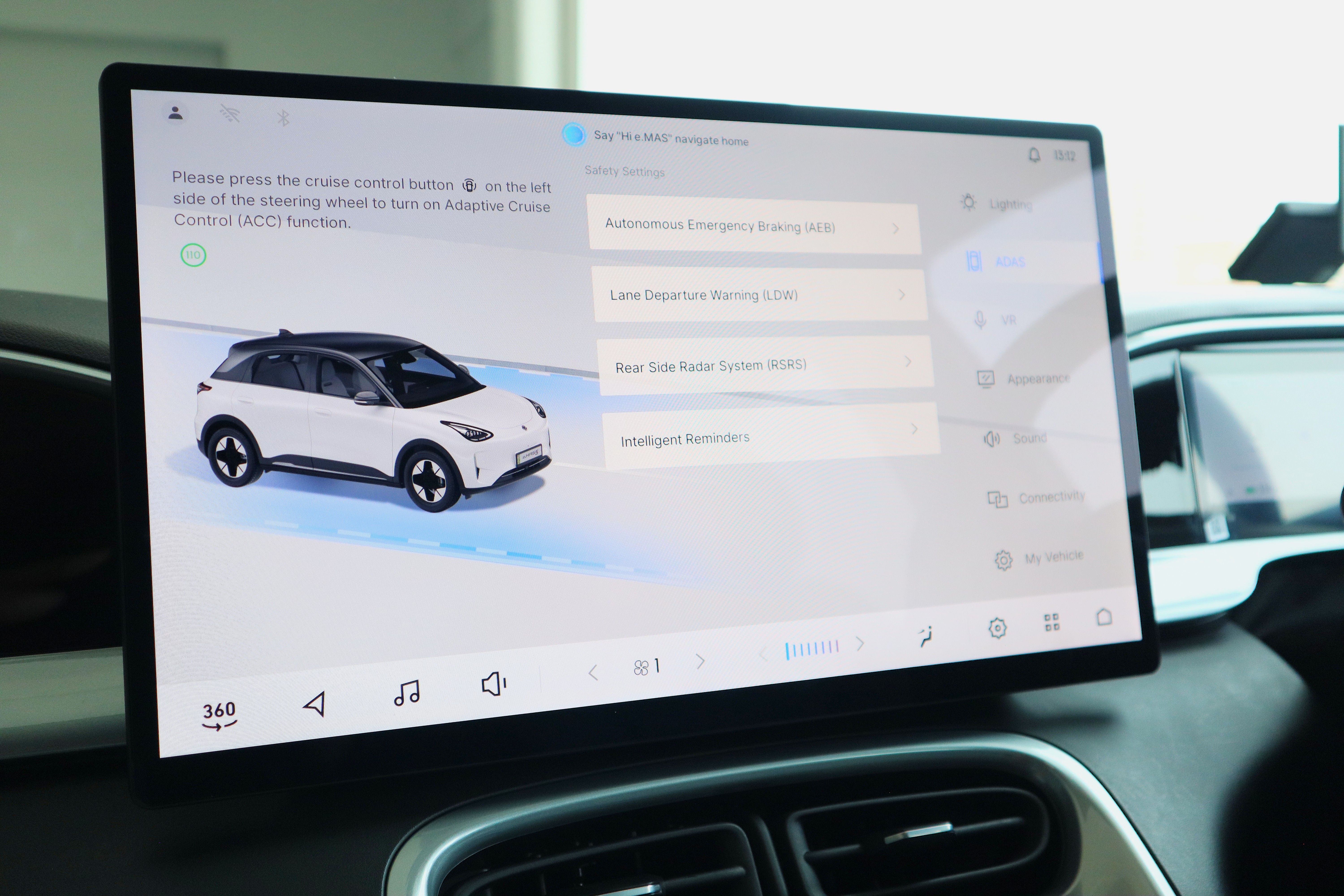
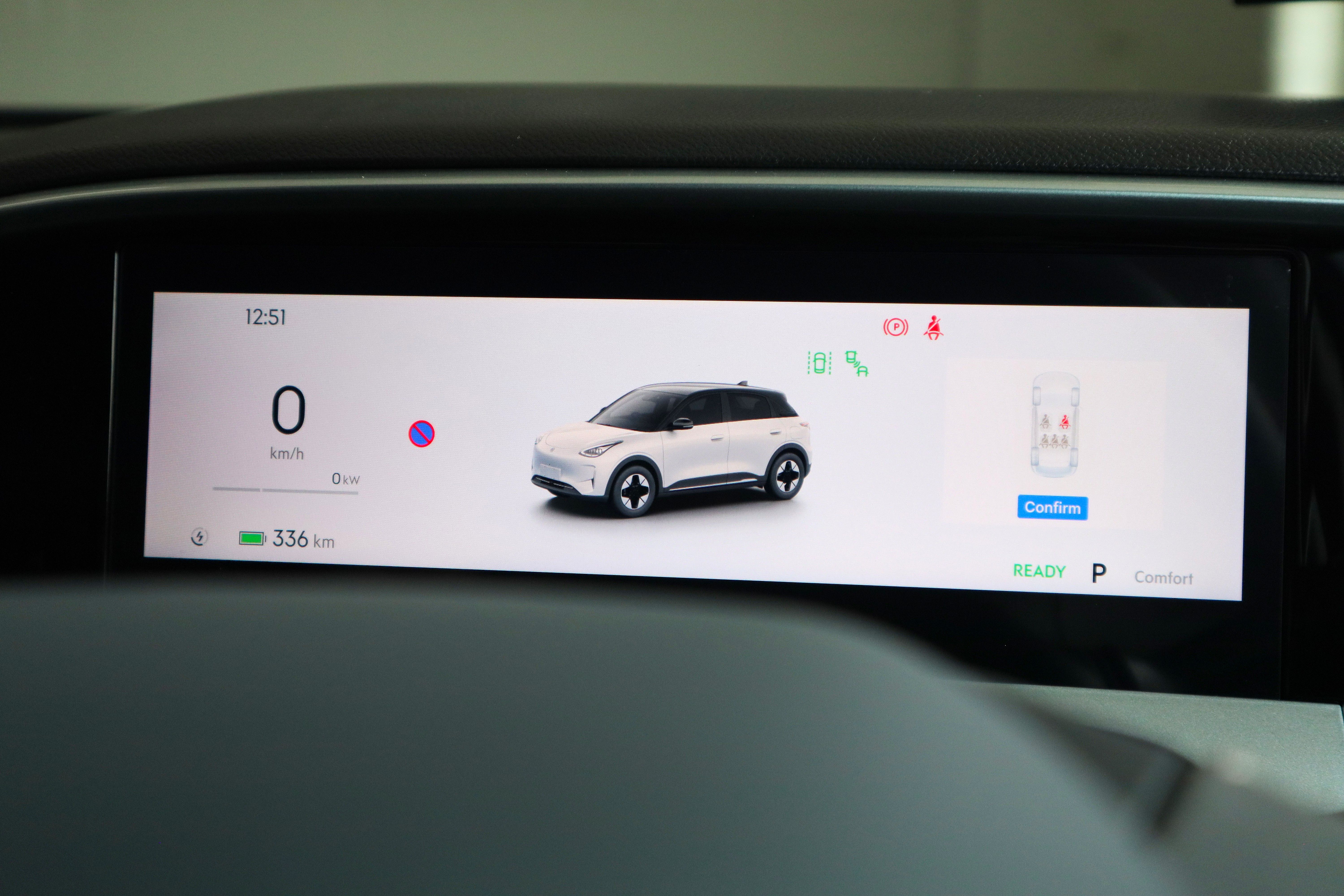
The controls are legible and logically positioned, which sounds like faint praise until you have driven enough modern EVs, where adjusting something simple becomes an archaeological expedition through touchscreen menus.
Material quality is more functional than luxurious. There is plenty of hard plastic, but Proton has at least made an effort with textured sections on the door panels to break things up visually. It won't have the more premium ambience of the firefly, but neither does it feel depressingly cheap.
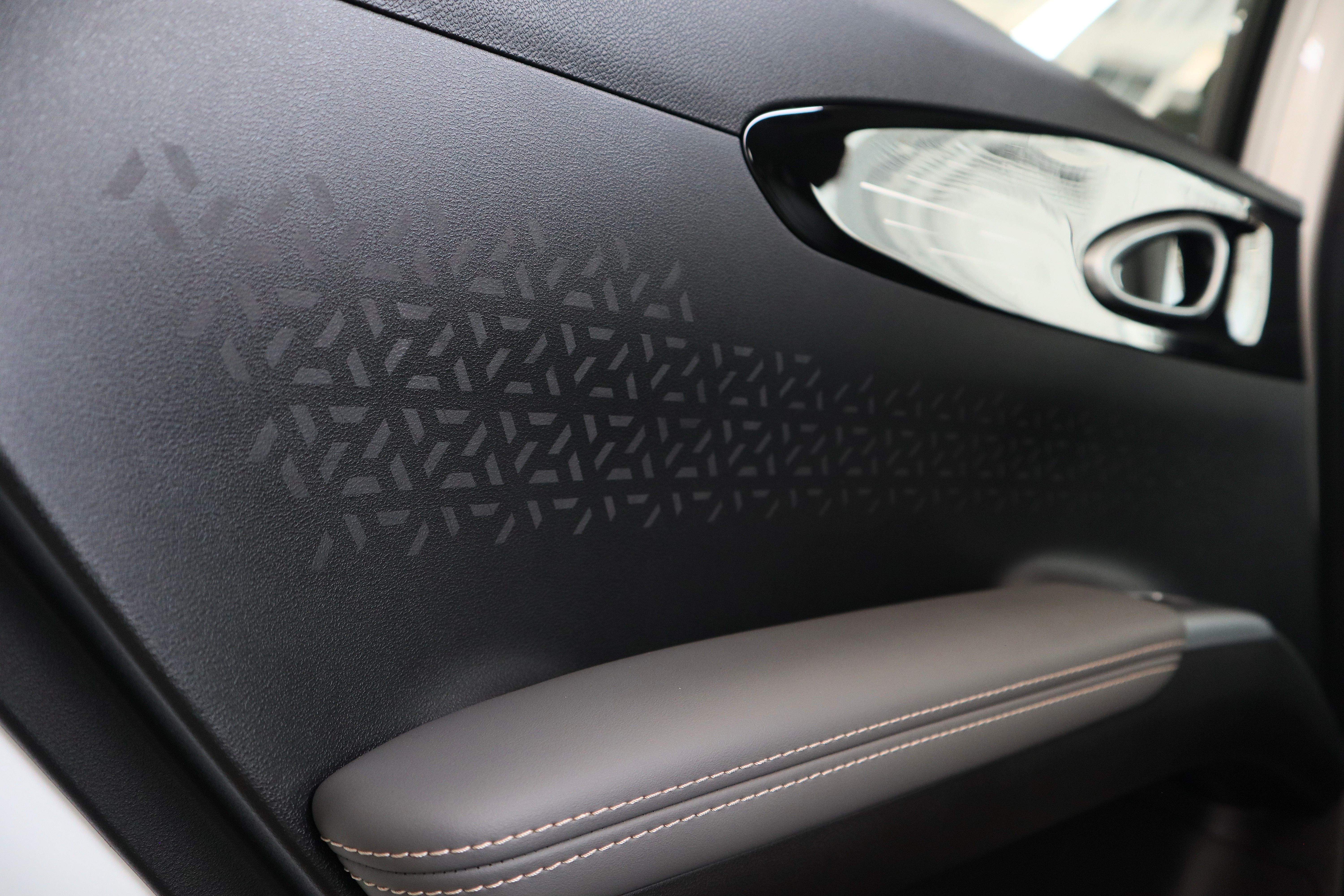
There are omissions, though. A panoramic glass roof would have made the cabin feel more special, while dual-zone climate control would be welcome. Having the driver and front passenger independently choose their preferred temperatures sounds trivial - until you regularly travel with someone whose definition of “comfortable” differs from yours by four degrees.
Practicality
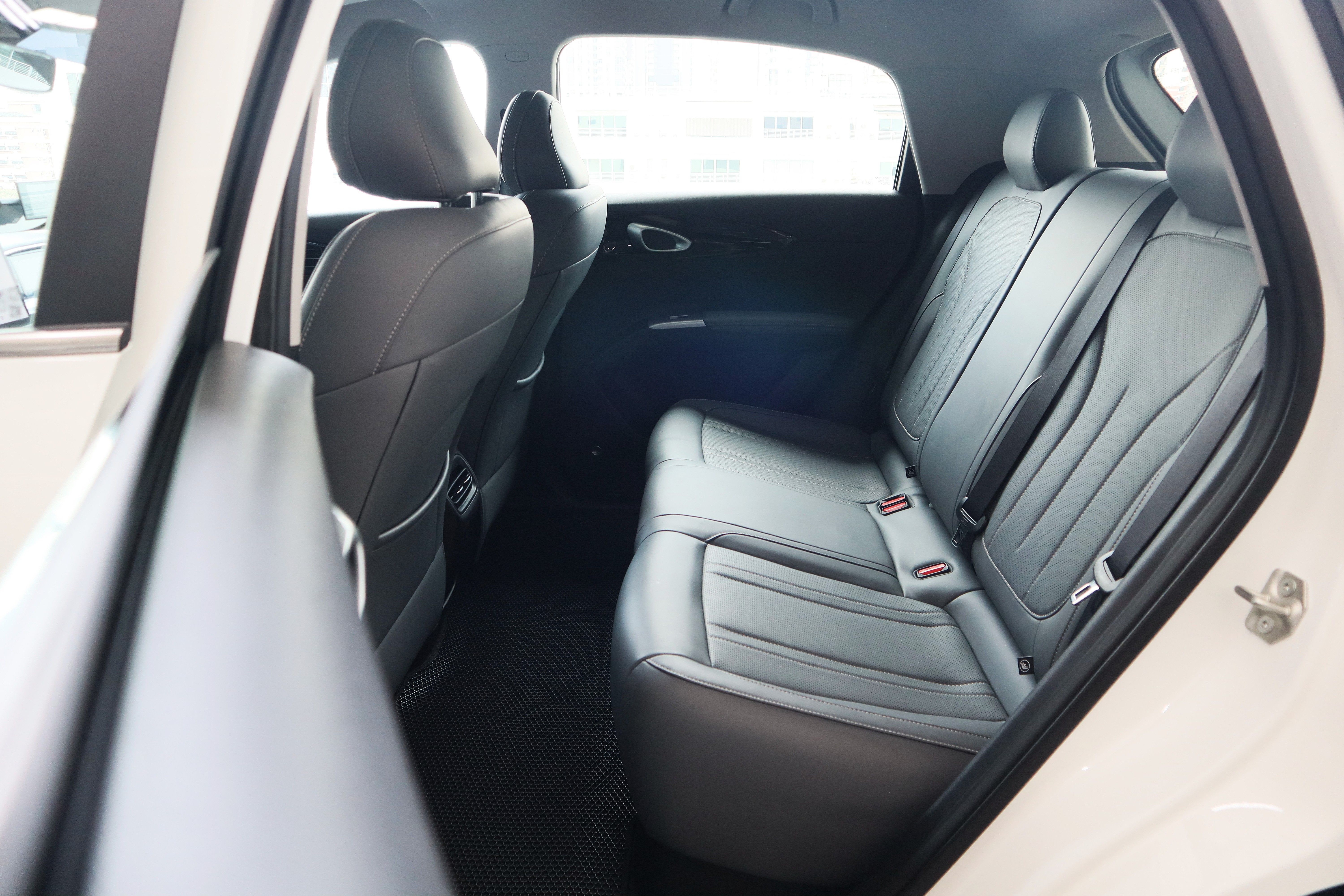
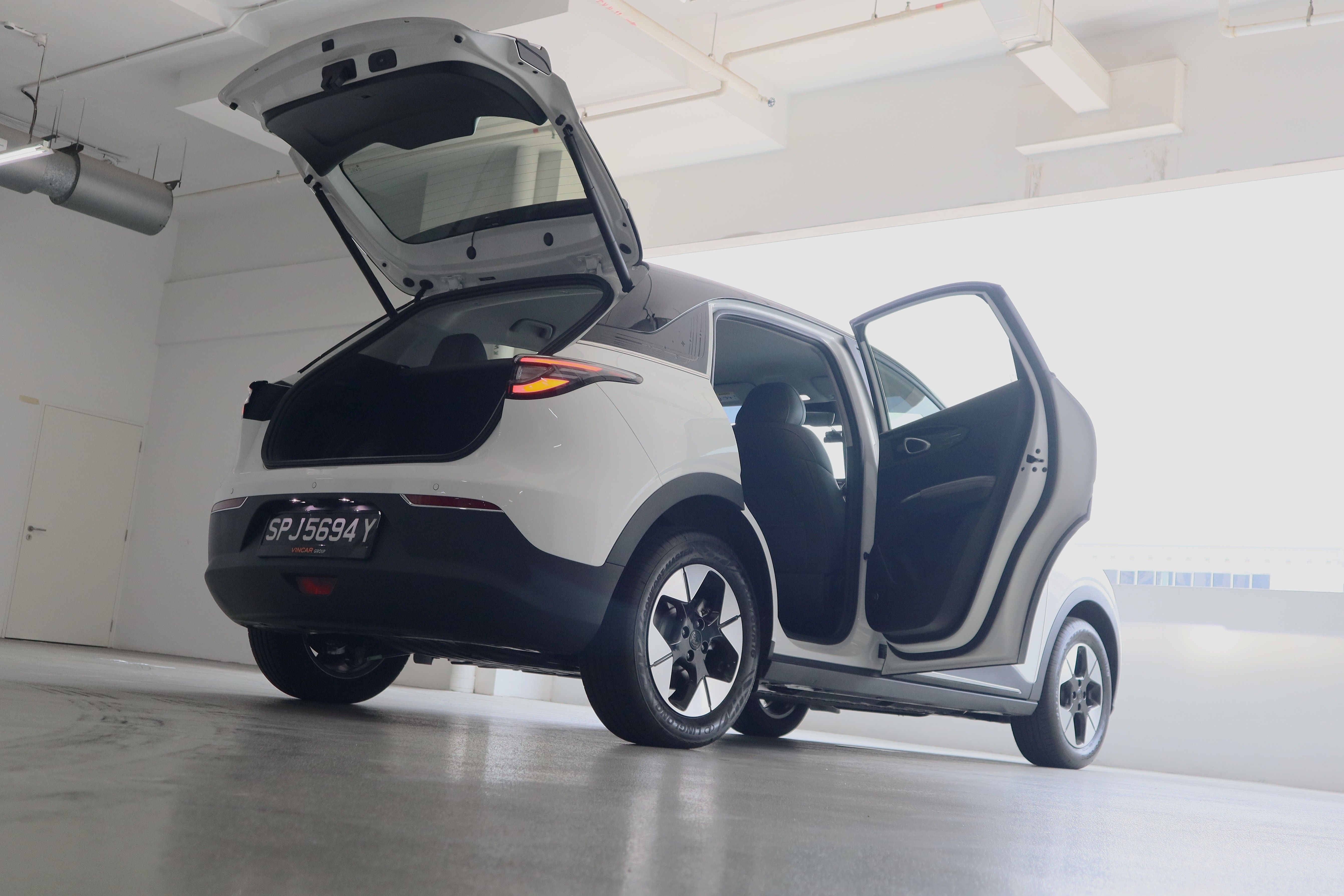
Passenger accommodation is one of the e.MAS 5's better qualities. Headroom and legroom are generous enough that four adults should have little reason to complain, while carrying five is entirely realistic for shorter journeys. Its upright proportions help enormously here.
The boot holds 375-litres, which is respectable considering the car's dimensions. For perspective, the larger Aion UT Premium offers 440-litres, while the MG 4 Urban stretches that to 480-litres. The firefly counters with substantial storage flexibility, including a large front compartment.
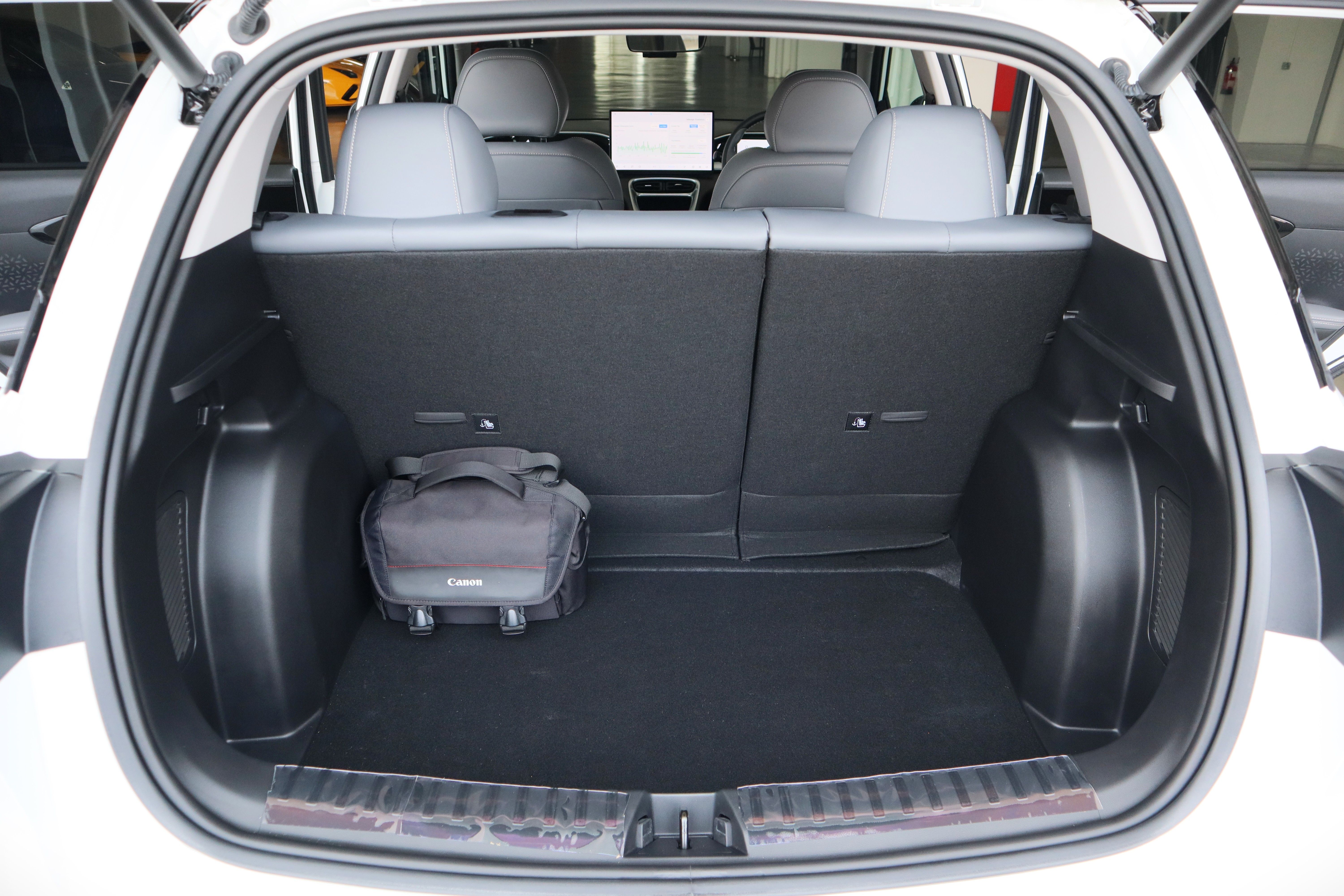
So the Proton doesn't win the Top Trumps contest, but its luggage area is properly usable. For the weekly groceries, school bags, cabin luggage or the usual assortment of things Singaporean families somehow accumulate, there is enough room to make the e.MAS 5 more than merely an urban runabout.
Oh, and how can I forget to mention it also has a 70-litre funk?
Driving It
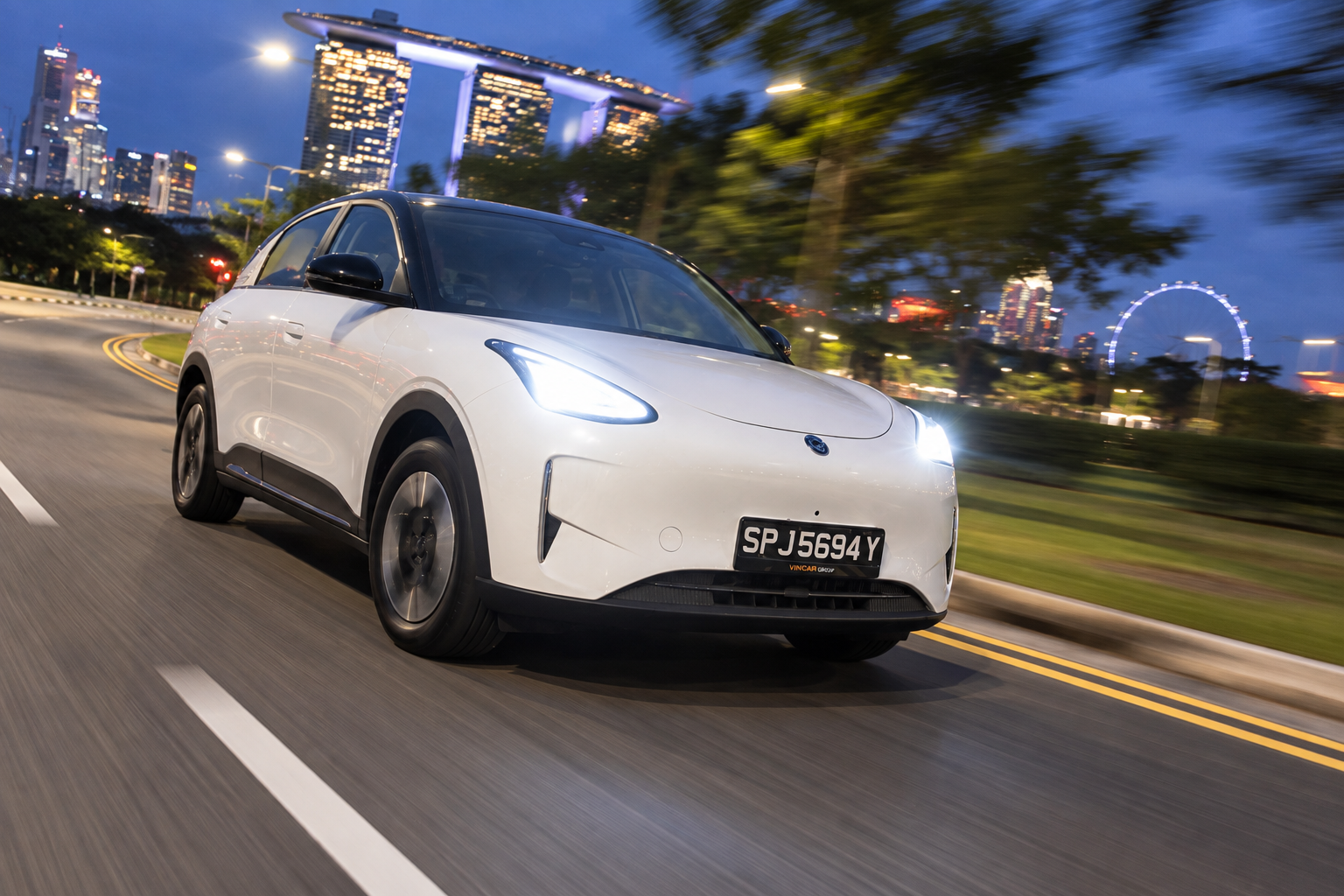
This is arguably where the e.MAS 5 makes the most sense.
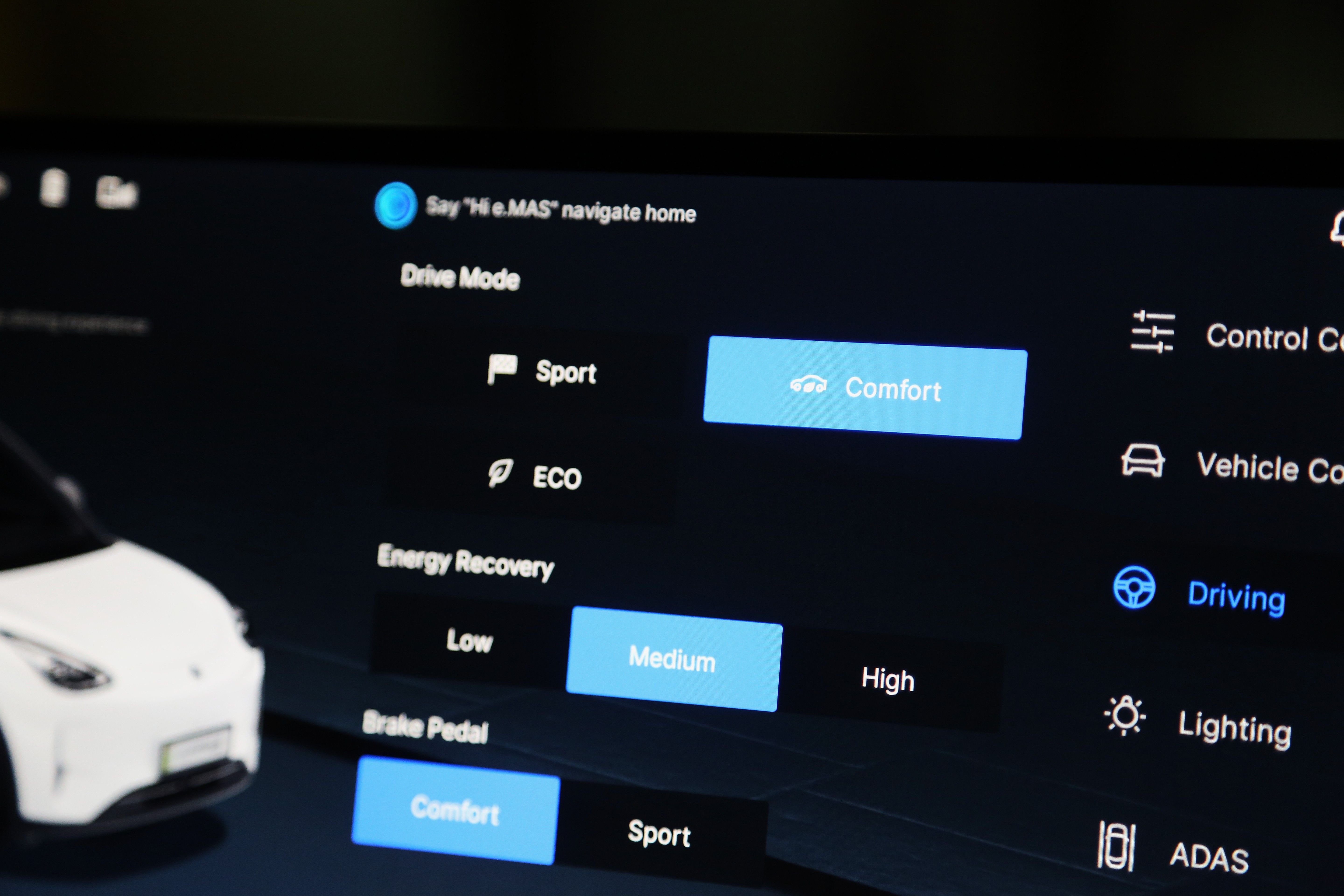
Its rear-mounted motor produces 85 kW (or 114 bhp) and 150 Nm, driving the rear wheels. Zero to 100 km/h takes 10 seconds, while maximum speed is 140 km/h.
Those numbers aren't going to dominate kopi-shop conversation, for sure.
However, for someone coming from a conventional petrol hatchback, its performance feels completely natural. There is enough immediate electric torque to deal with traffic, joining an expressway isn't stressful and overtaking doesn't require a written application three working days in advance.
The 40.16 kWh LFP battery provides a claimed 325 km range, with official consumption quoted at 6.6 km/kWh. AC charging peaks at 6.6 kW, while DC charging reaches 71 kW.
That range deserves some perspective. If you're buying your first EV, 325 km may initially sound worrying beside cars advertising 500 km or 600 km.
But consider how far you actually drive each day.
For typical Singapore commuting, this is enough that charging shouldn't become a daily ritual. You simply need to adjust from the petrol-car mentality of filling up only when nearly empty; plug in when convenient, rather like charging your phone, and EV ownership quickly becomes less intimidating.
Ride & Handling
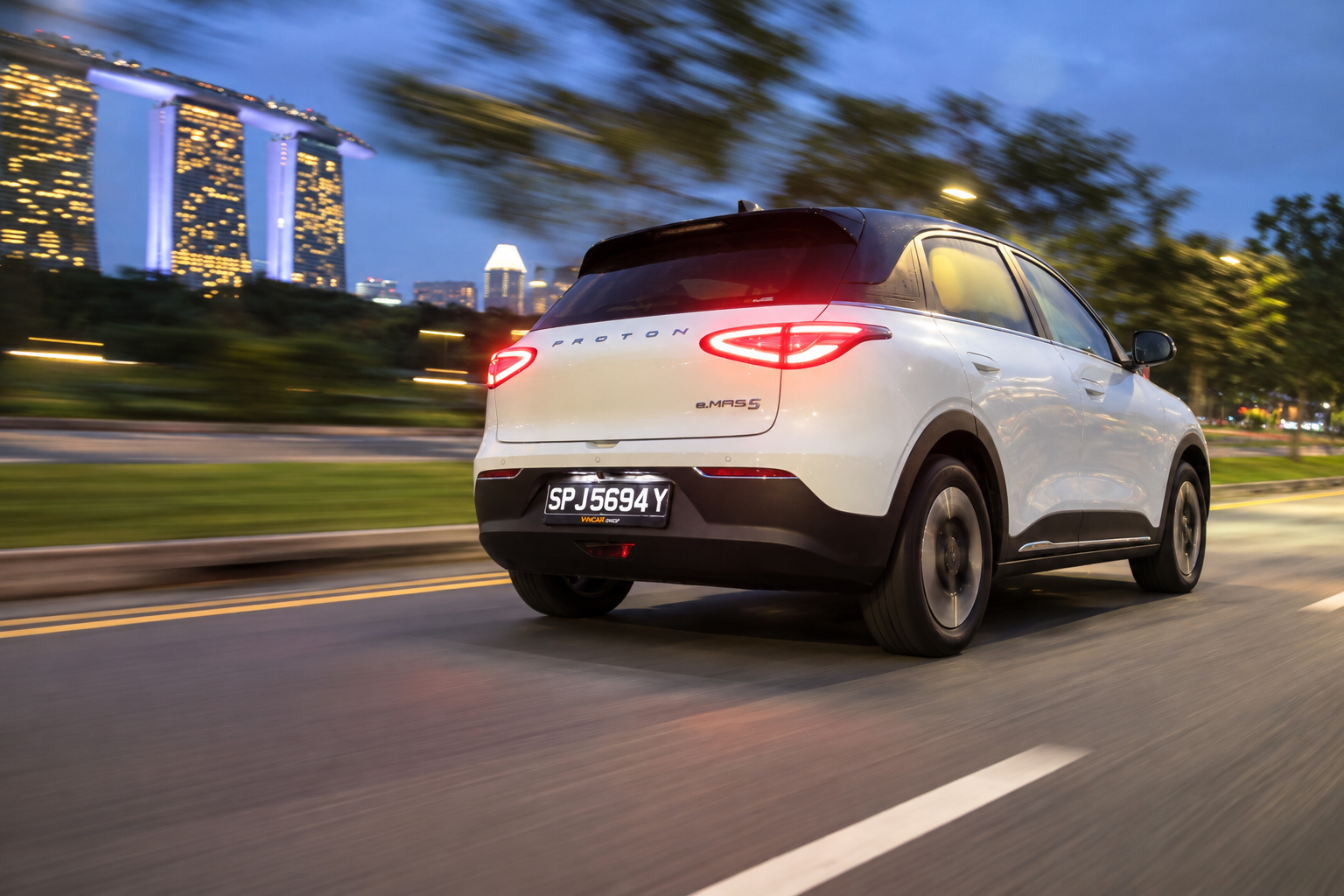
The e.MAS 5 uses MacPherson struts in front and, interestingly at this end of the market, a multi-link rear suspension.
Its calibration clearly favours comfort. Around town, that works; the car is easy-going over imperfect surfaces, remains composed enough on the expressway and doesn't punish passengers simply because the driver failed to spot a badly patched section of tarmac.
Personally, however, I'd like it slightly stiffer, accompanied by better steering feel.
Perhaps I am carrying unnecessary emotional baggage here. Having owned several Protons in the past - cars whose chassis could occasionally embarrass supposedly hotter machinery with twice the horsepower - it is difficult to see that badge on the steering wheel without wanting a little more from the chassis.
The rear-wheel-drive layout only makes that temptation worse.
But expecting the e.MAS 5 to channel a Satria Neo through every corner rather misses the point; after all, this is an electric hatchback for the masses, and its priorities are comfort, accessibility and predictability.
Viewed through that lens, Proton probably made the correct decision.
Competition, however, is fierce. The firefly remains the enthusiast's choice here - its 141 bhp rear-wheel-drive setup feels more eager, its steering more communicative and its chassis more entertaining. It also produces a claimed 320 km from its 42 kWh battery.
The Aion UT goes the other direction, majoring on space, comfort and equipment; the Premium's 60 kWh battery provides 410 km of claimed range.
Then there is the MG 4 Urban. With 133 bhp, 250 Nm, a 54 kWh battery, and 405 km claimed range, it offers considerably more range together with that huge 480-litre boot.
Against those three, the Proton's strength isn't any single headline figure - it is simple, and easy to understand.
In A Nutshell
And perhaps that's exactly what an entry-level EV should be.
The e.MAS 5 doesn't overwhelm you with performance you don't need, technology you'll never use or styling designed primarily to attract smartphone cameras.
Instead, it offers sensible range, useful interior space, good passenger comfort and uncomplicated controls in dimensions that suit Singapore particularly well.At the time of writing, the e.MAS 5 is listed at S$173,988 - placing it right in the thick of an increasingly competitive Category A EV market.
Would I personally take the slightly sharper chassis and steering of the firefly? Probably. But that's the enthusiast talking.
For someone buying their first EV - particularly a first-time car buyer who simply wants something comfortable, practical and unintimidating - the e.MAS 5 arguably asks fewer questions. And sometimes, getting the simple things right is the best route.




Get the Best Price for your used car
from 500+ dealers in 24 hours





 Convenient and Hassle-Free
- Consumer Protection
Transparent Process
With No Obligation


