


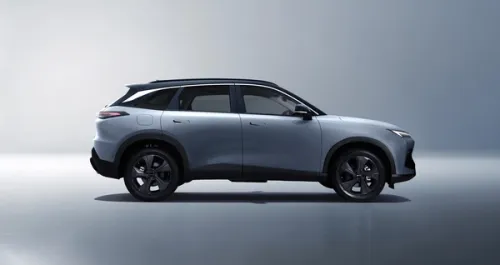
BYD Sealion 6 First Drive Review: Will Brilliance Age Well?
The first BYD plug-in hybrid anticipated for Singapore has an excellent drivetrain but a rather dated interior.


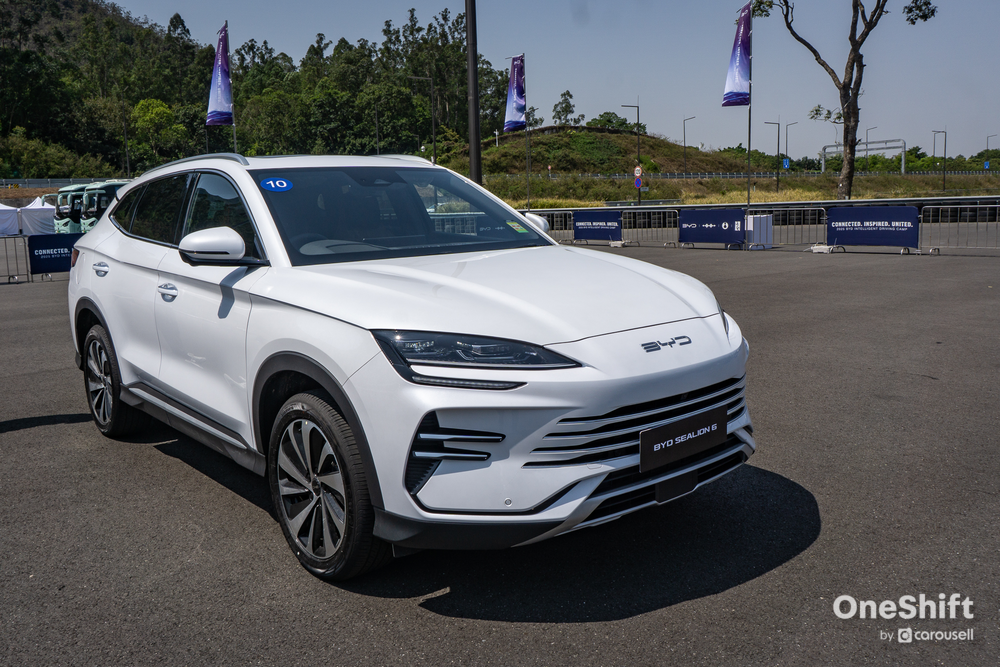
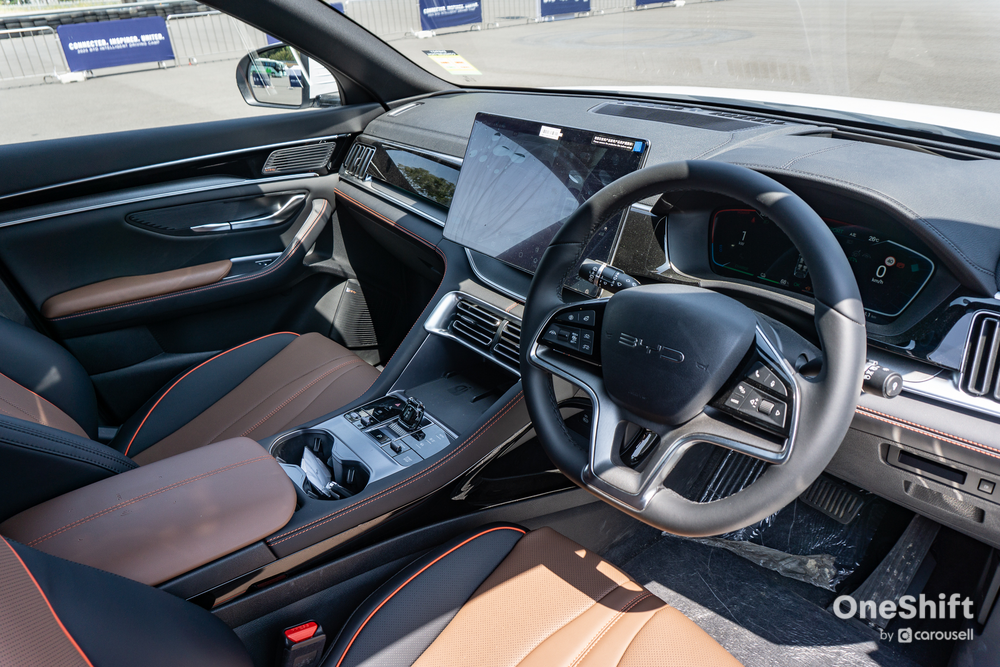
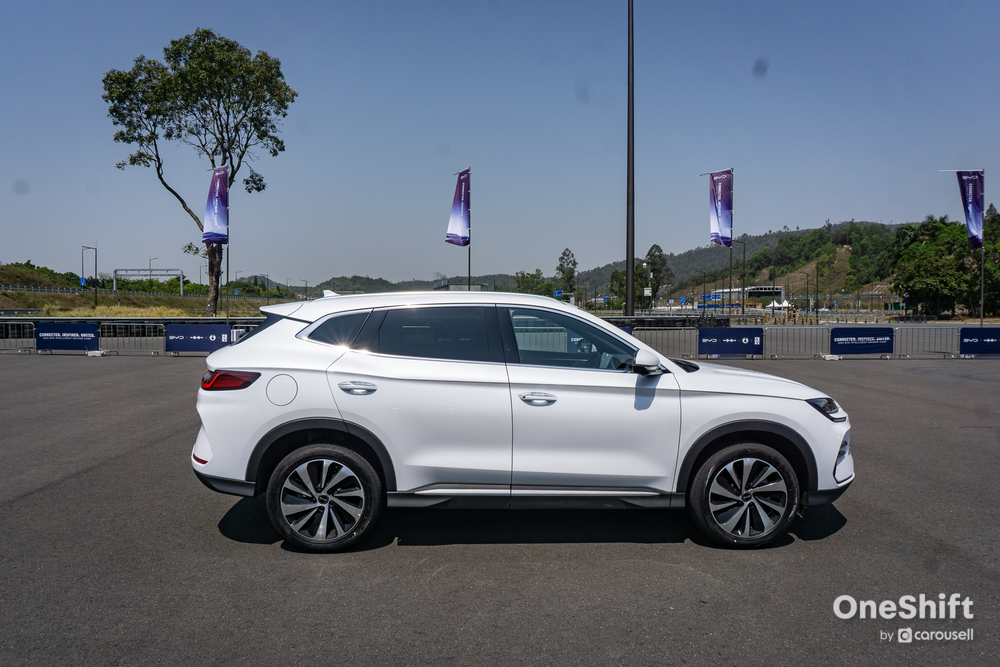
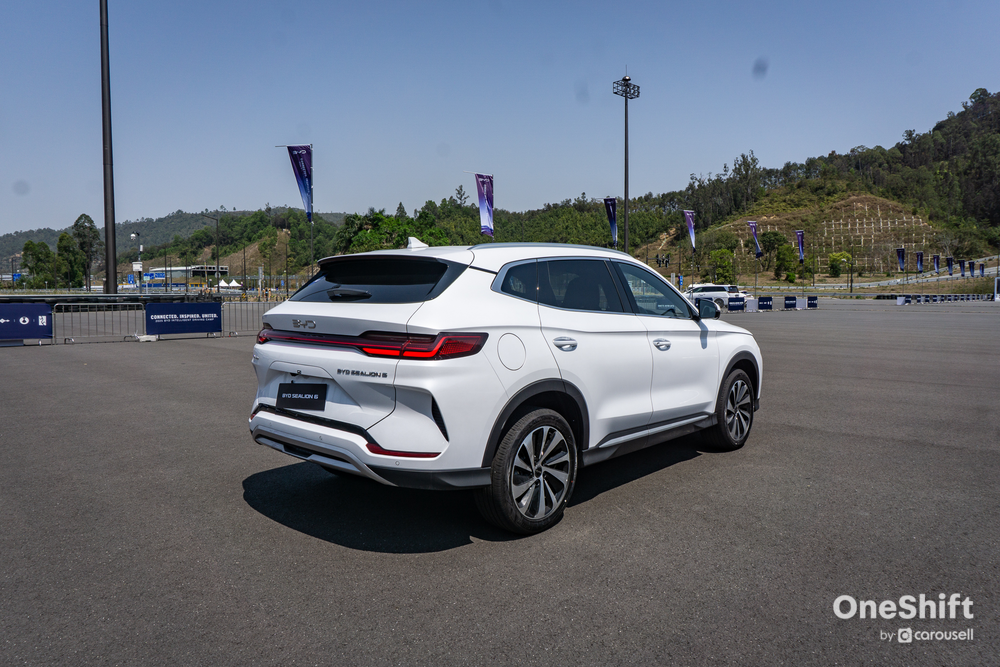


What we like:
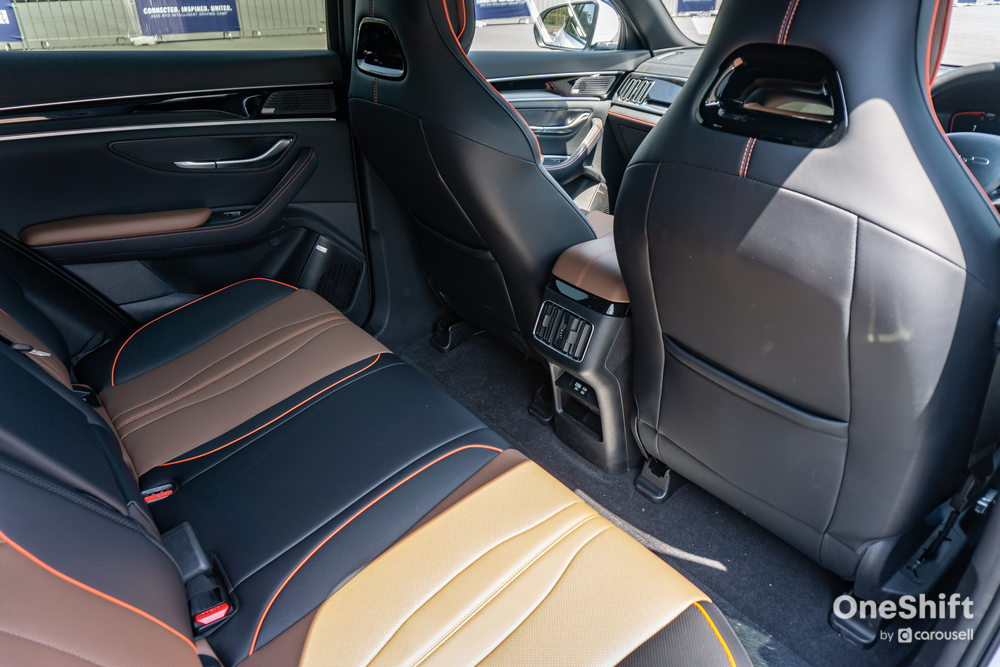
 Smooth and potent dual motor drivetrain
- Plenty of interior space
What we dislike:
 Dated interior
- Range is less than its closest competitor, the Jaecoo J7 PHEV
It was a bit of a first-come-first serve, ‘grab and talk later’ approach when it came to getting behind the wheel of various BYD models at our press trip in Shenzhen.
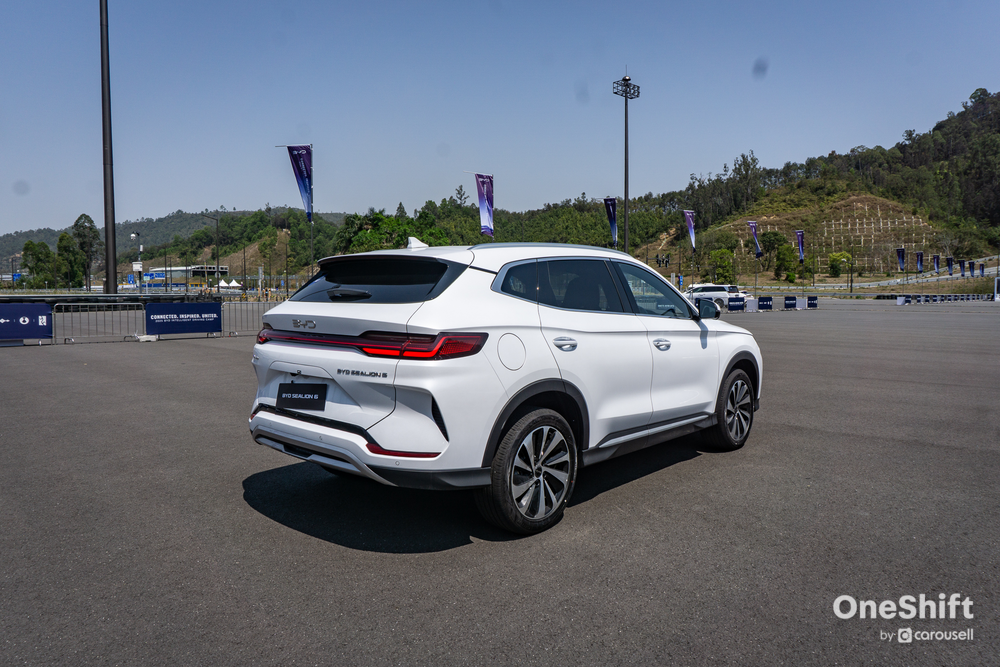
Since BYD indicated that its next strategy in its offensive would be introducing plug-in hybrids (PHEVs) into the Singapore market, I made sure we had seat time in the BYD Sealion 6.
There’s a reason why Chinese PHEVs aren’t appearing in droves in Singapore yet, although they are far more ubiquitous in their country of origin. We’ve only seen the Jaecoo J7 PHEV so far, in recent memory. Our tax rebates simply reward EVs and punish PHEVs. The result is that PHEVs are almost always more expensive than their EV counterparts. It makes for an uphill sales pitch, but BYD is always up for a challenge.
As I type, prototypes of the Sealion 6 are already making its rounds in Singapore for homologation purposes. It will make its debut anytime now.
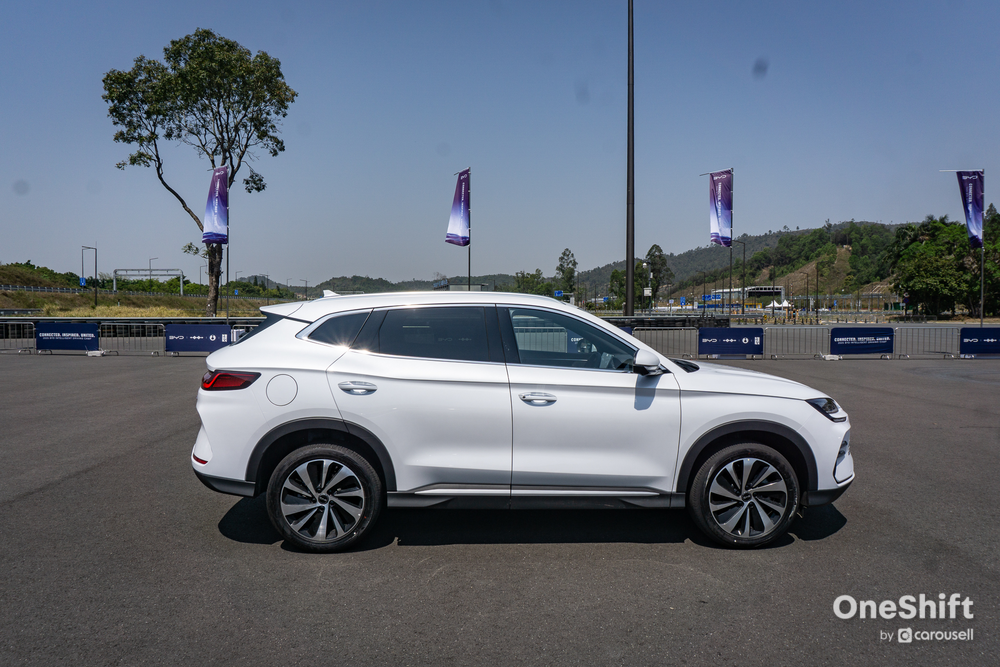
Although we weren’t given the opportunity to drive on the open road, the closed circuit offered was at least a decent alternative. I just wasn’t so sure if it would put the heavy SUV in a good light.
Nonetheless, we were given all of 10 minutes to drive the Sealion 6, so our road test antennas were on overdrive to pick up everything we could.
Our test drive model was the dual motor variant, packing a 1.5-litre turbo engine making 201 hp and 300 Nm. Together with the two electric motors, the car makes 319 hp and 550 Nm. Those are pretty plucky numbers that give a 0-100 km/h acceleration time of just 5.9 seconds. This is achieved despite claiming a range of 976 km (or in the case of the single motor variant, 1092 km). World real tests show that these range figures are understated.
Honestly, the car felt satisfyingly quick on the straight part of the course. There is a wallop of torque that comes in a surge just like an EV, and the petrol engine just hums unobtrusively in the background to support. It was smooth as well, making the ICE component more of a helper than the main conductor. This, like the aforementioned Jaecoo J7, is one of the many signs that the Sealion 6 is not your traditional old-school PHEV. It is an EV-first concept that makes a whole lot of sense.
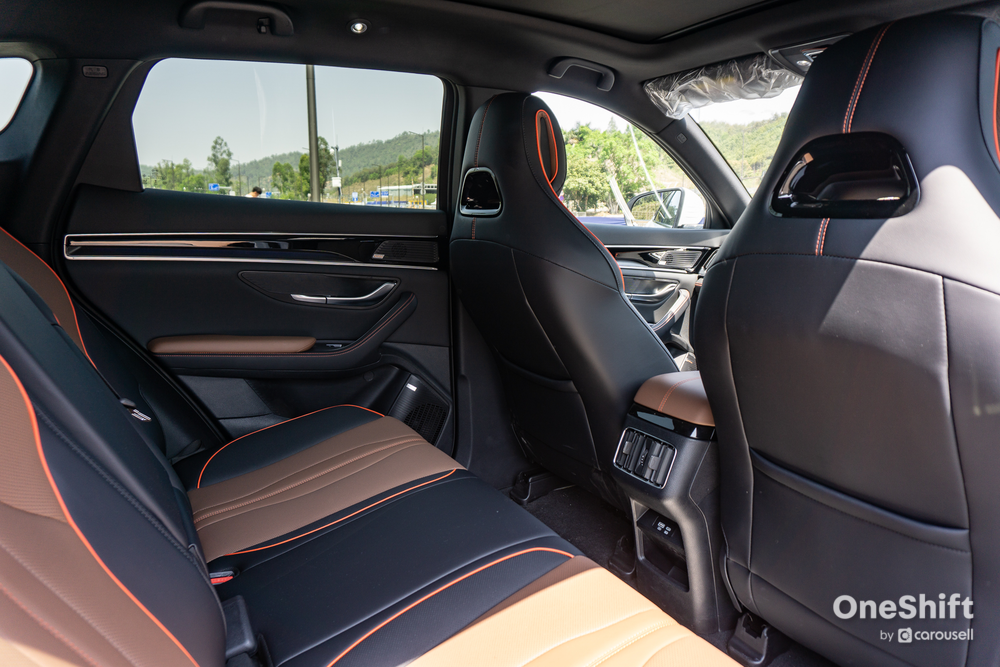
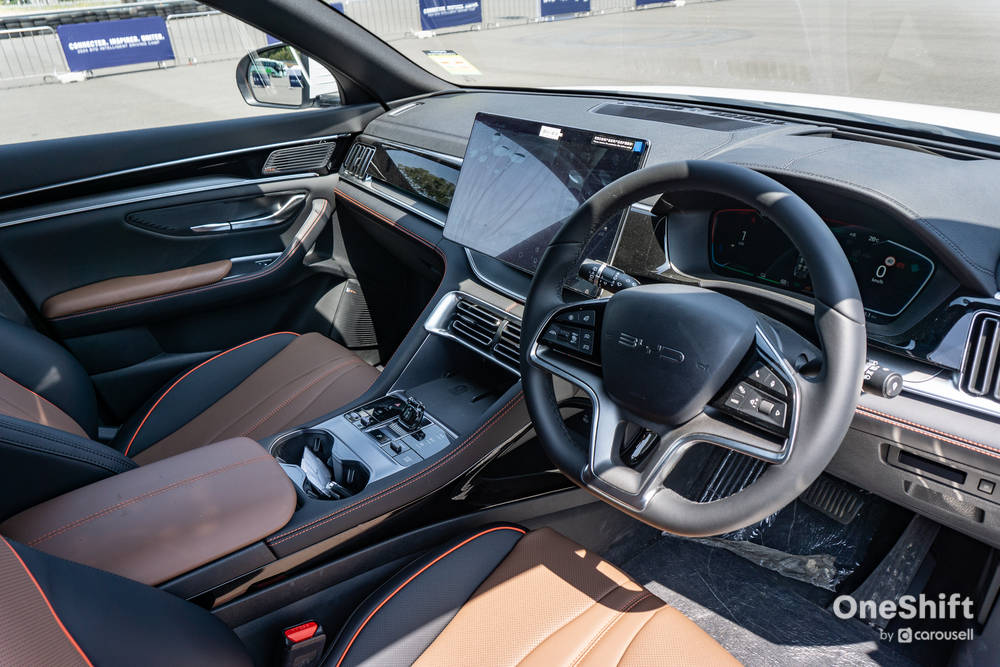
The interior is less impressive. It draws heavily from the BYD Atto 3 and feels a tad dated. Compared to the swanky Sealion 7, the 6 feels a bit downmarket. Given that the Sealion 6 will have a price disadvantage due to the tax structure, this might pose an issue for interested buyers. At least it does have a lot of space, especially for rear passengers.
There wasn’t much we could glean about comfort except on the bumpy part of the course where there were a dozen humps placed in quick succession. Here the Sealion 6 felt reasonably damped. However, it fared less successfully on the slalom course, with its steering too slow and its body rolling like a ship listing. That said, it’s unrealistic to assess the Sealion 6 on that, when it’s hardly a use case at all. No love lost, then.
Here’s hoping that BYD will update the Sealion 6’s interior when it finally goes on sale in Singapore. With that, I think the Sealion 6 is going to be a very competitive product here, especially given BYD’s brand recognition and extensive network.
Photos by James Wong
---
Car you sell, Carousell. Get the highest quote for your car in just 24 hours, with assistance on paperwork too.




Get the Best Price for your used car
from 500+ dealers in 24 hours





- Convenient and Hassle-Free
- Consumer Protection
Transparent Process
With No Obligation


