


Hyundai Elexio (Standard Range) Review: A Clever Bit Of Collaboration
With Korean engineering, Chinese EV expertise and a familiar badge, the Elexio might just be Hyundai's smartest move yet.


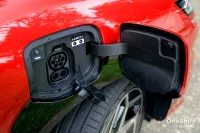

If cars had passports, the Hyundai Elexio would probably hold up the queue at immigration.
Here's a Korean SUV developed in China by Beijing Hyundai, a joint venture between Hyundai and BAIC. And powered by a Blade Battery supplied by BYD; a company that Hyundai competes against for your hard-earned money.
An unconventional arrangement, certainly, but there's something rather ingenious about getting the best minds from different camps to work towards a common goal. Evidently, Hyundai understands that corporate pride need not get in the way of making a rather good car.
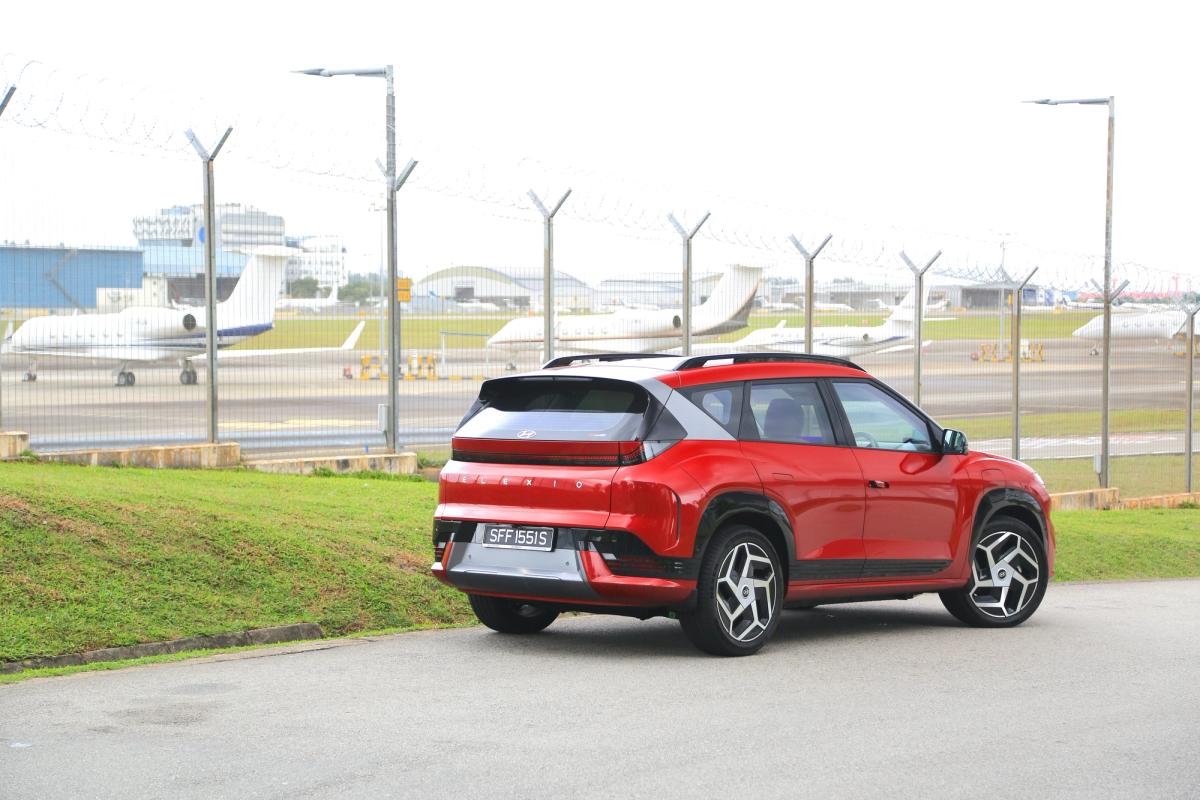
Equally clever is packaging it all in an SUV body style, considering car buyers' seemingly insatiable appetite for electric SUVs.
And having spent time with the Elexio, I reckon Hyundai has every reason to be optimistic about this one.
Aesthetically Speaking
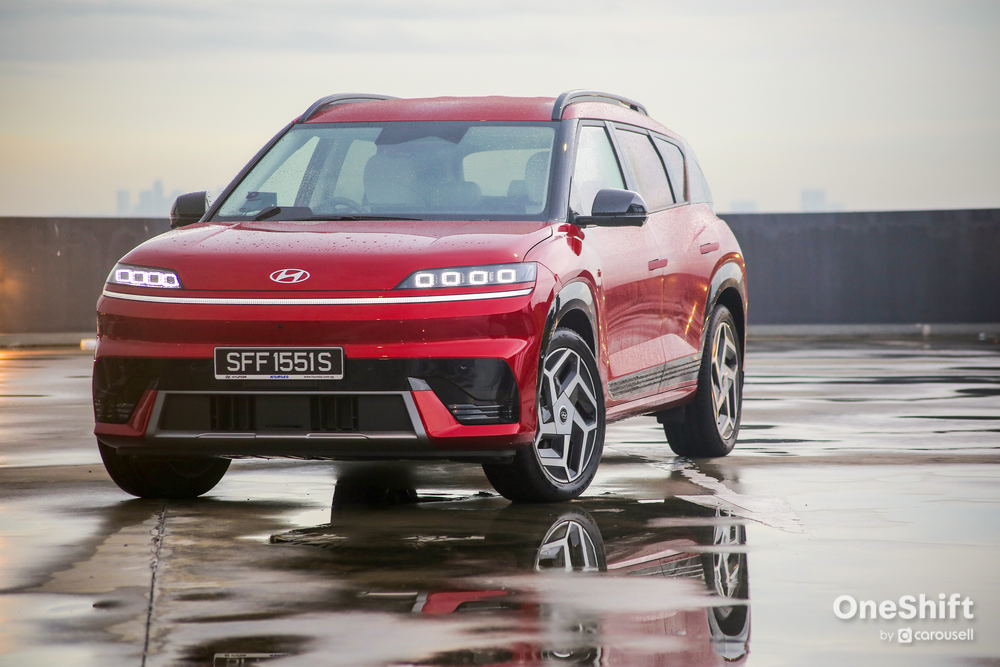
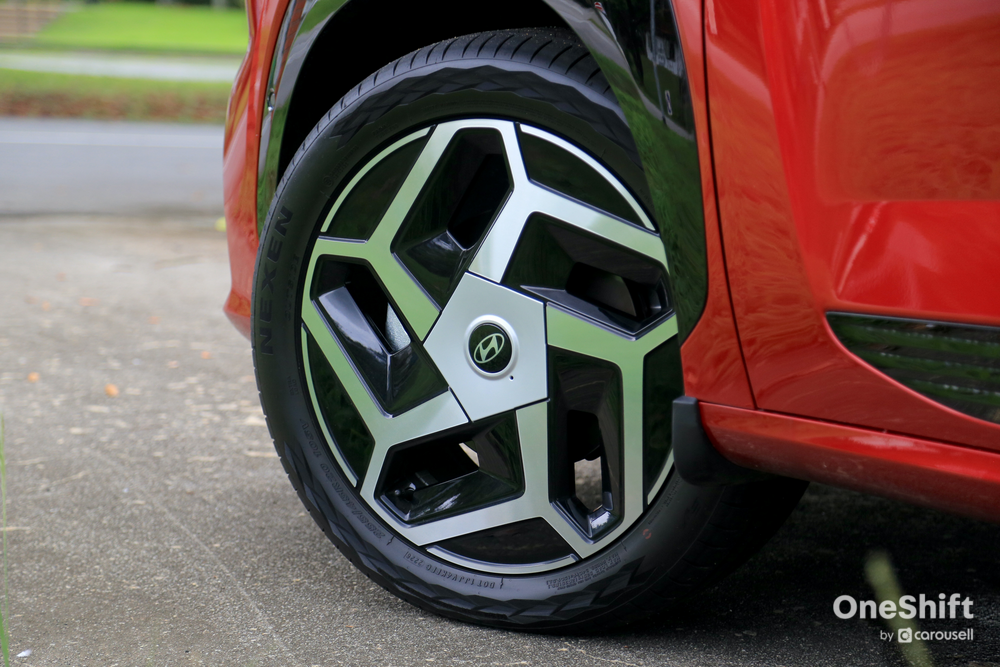
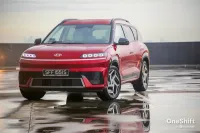
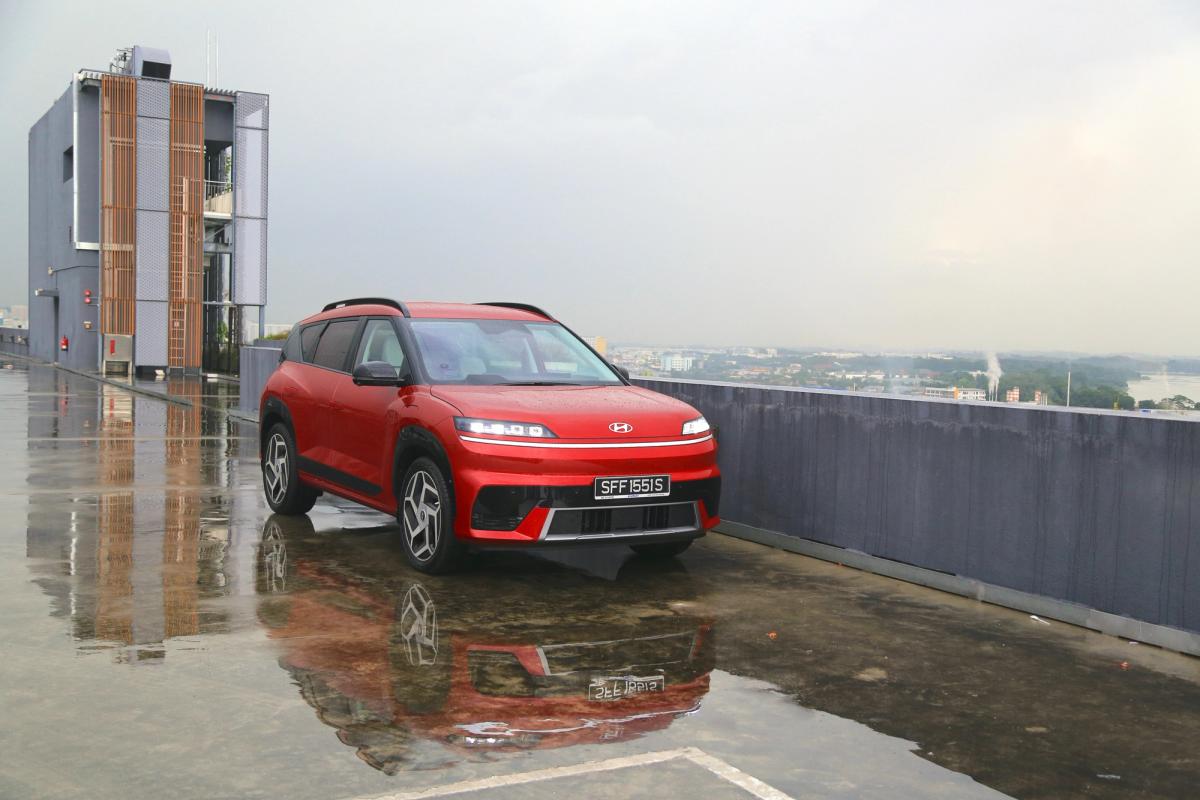
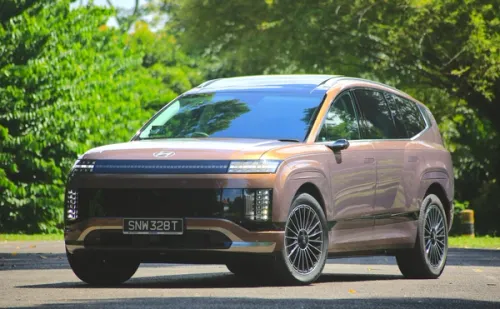
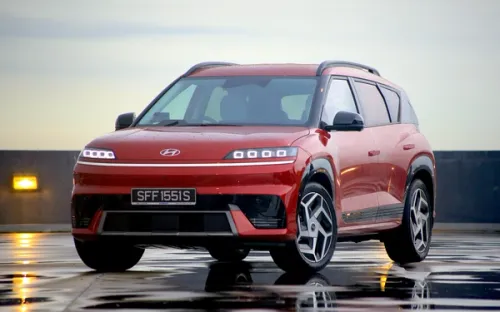
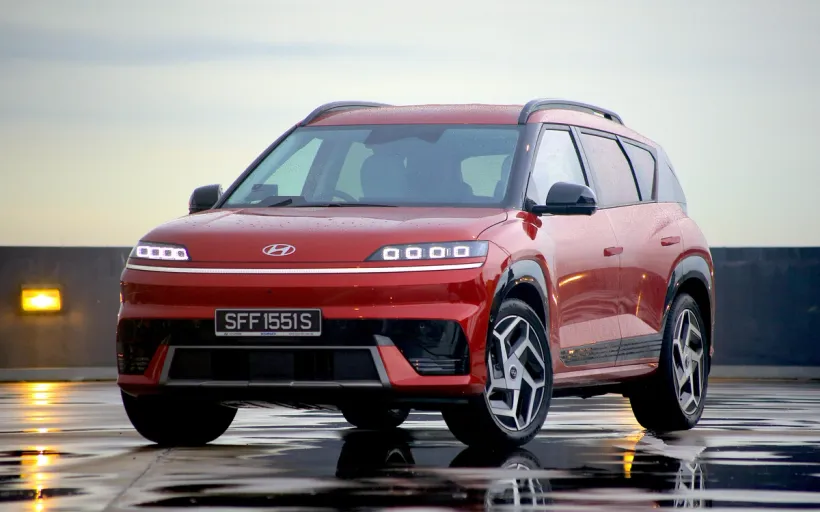
Visually, the Elexio bears little resemblance to anything else in Hyundai's current stable. Park it alongside an Ioniq 5 or Tucson and you'd probably need to look at the badges to establish their relationship.
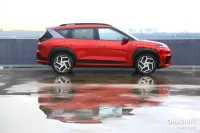
Its distinctive Crystal-Square LED headlamps give the front end an interesting character, while the relatively upright silhouette, pronounced shoulders and flush-fitting door handles give it a contemporary appearance without venturing too far into science-fiction territory.
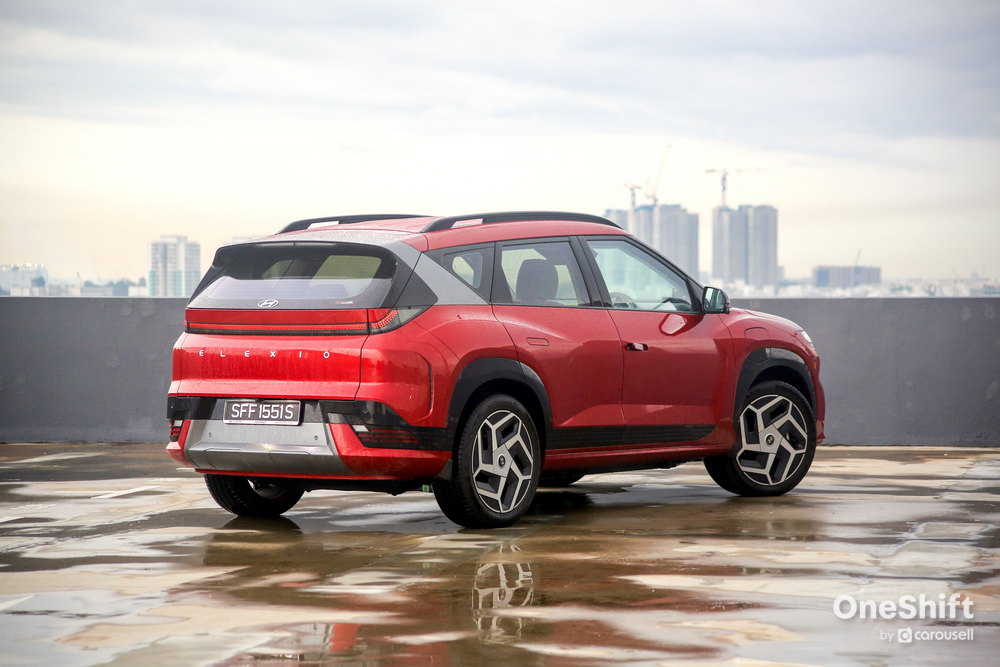
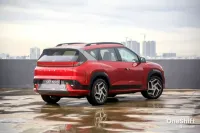
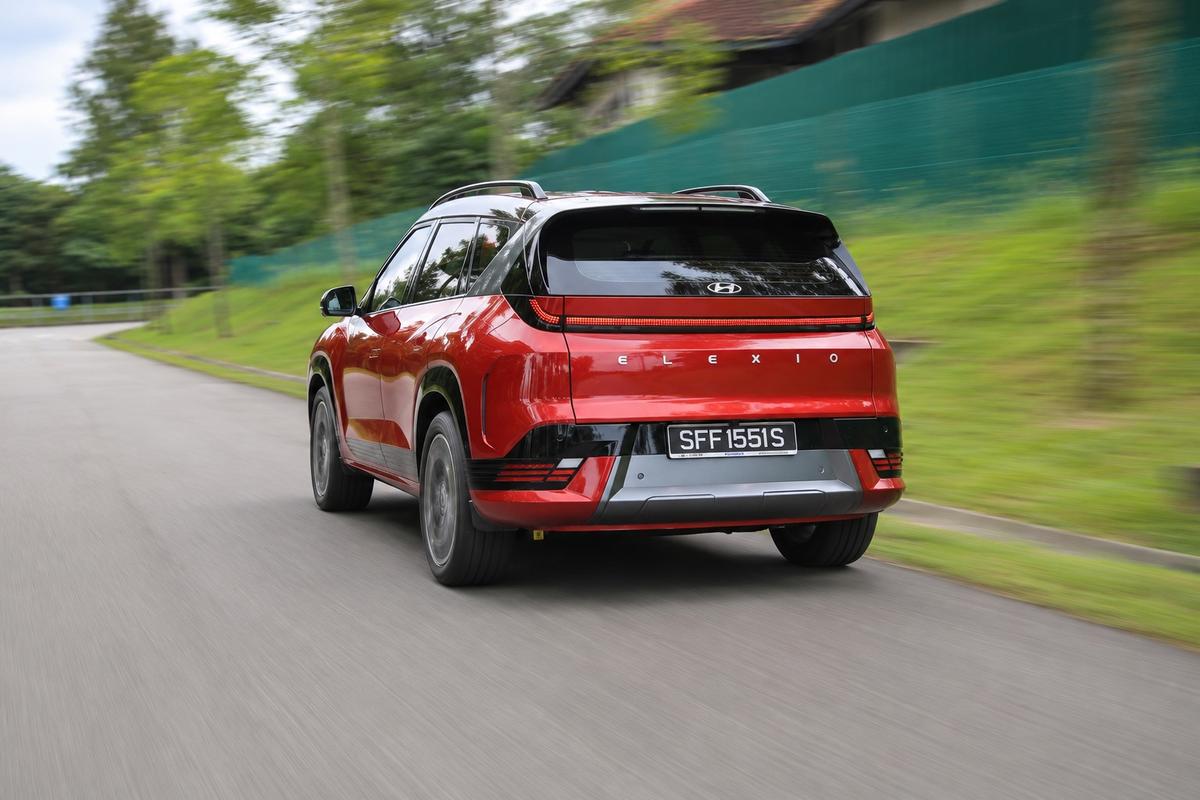
The rear three-quarter view is arguably its most flattering angle; there's a pleasing balance between the glasshouse, bodywork and wheel placement.
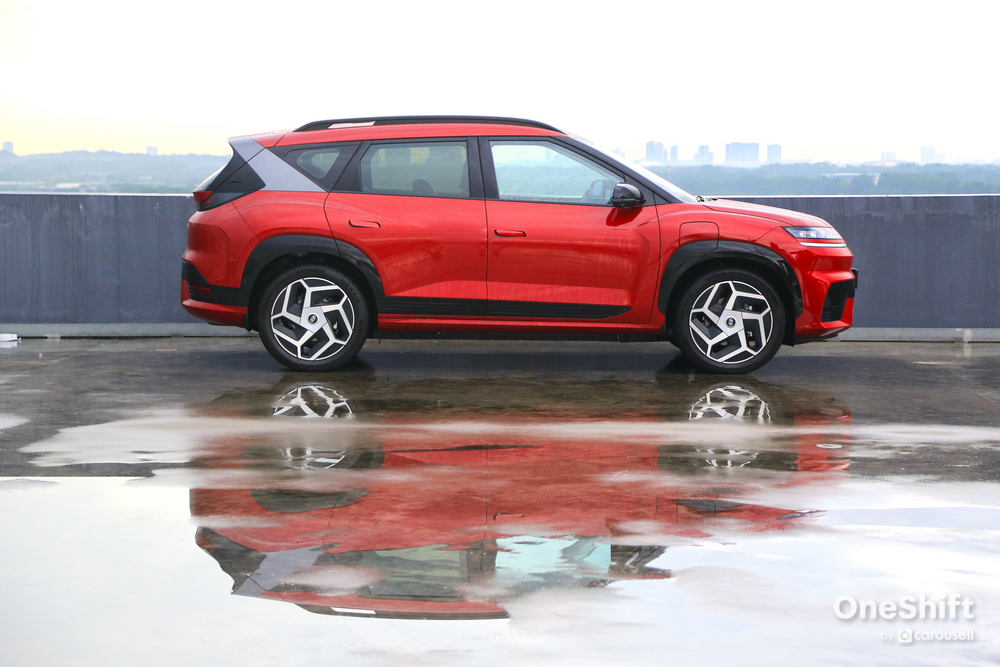
Measuring 4,615 mm long, 1,875 mm wide and 1,675 mm tall, with a 2,750 mm wheelbase, the Elexio occupies a sensible middle ground between compact urban SUVs and larger family haulers. More importantly, Hyundai hasn't compromised interior accommodation for the sake of exterior styling. Looking fashionable is one thing; having to apologise to your rear passengers for their lack of headroom is another altogether…
The Inside Story
The true measure of a family SUV isn't necessarily how many features its brochure lists, but how little inconvenience it introduces into your daily routine - on that front, the Elexio scores rather well.
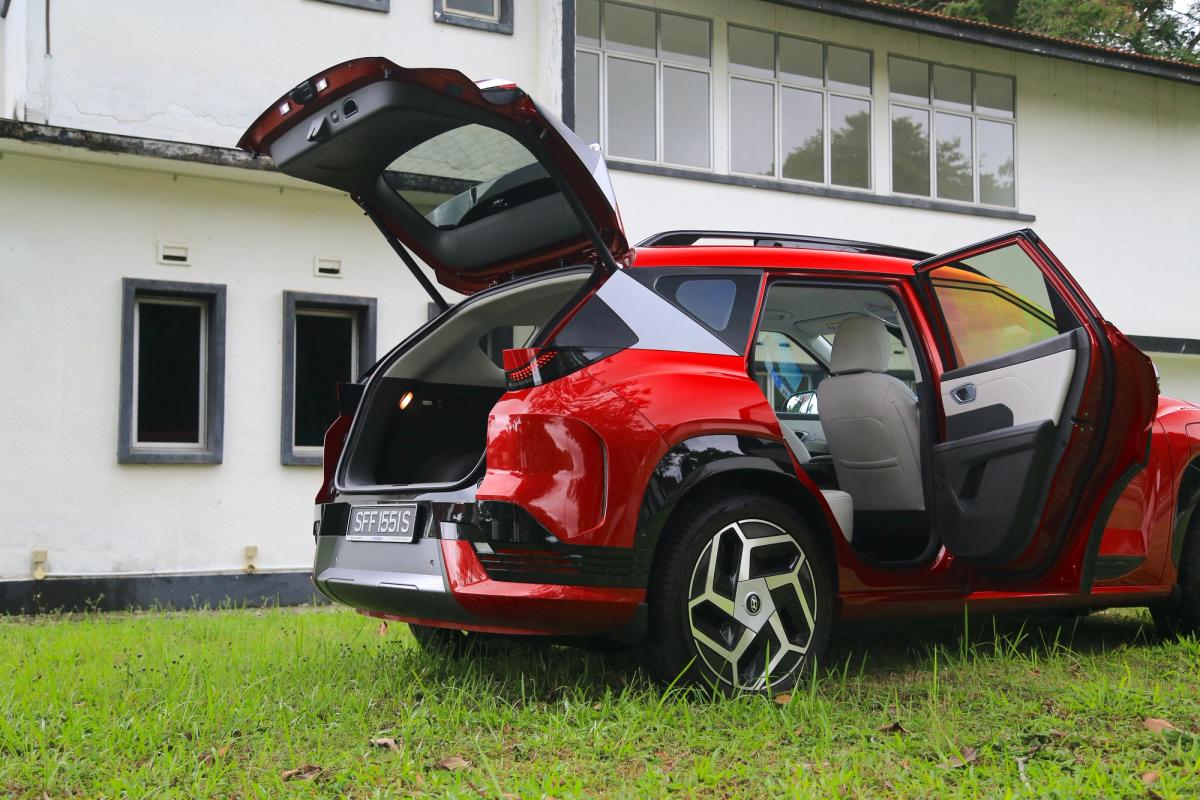
There's sufficient room for five adults, with generous legroom, good headroom and a largely flat rear floor. Even the unfortunate individual relegated to the middle seat shouldn't have too much to complain about.
I also appreciate the positioning of the rear air-conditioning vents on the B-pillars, allowing cool air to reach passengers' upper bodies rather than simply refrigerating their kneecaps.
Storage compartments are thoughtfully distributed, while the two-tier centre console provides plenty of space for the assortment of barang-barang that inevitably accumulates in a family car.
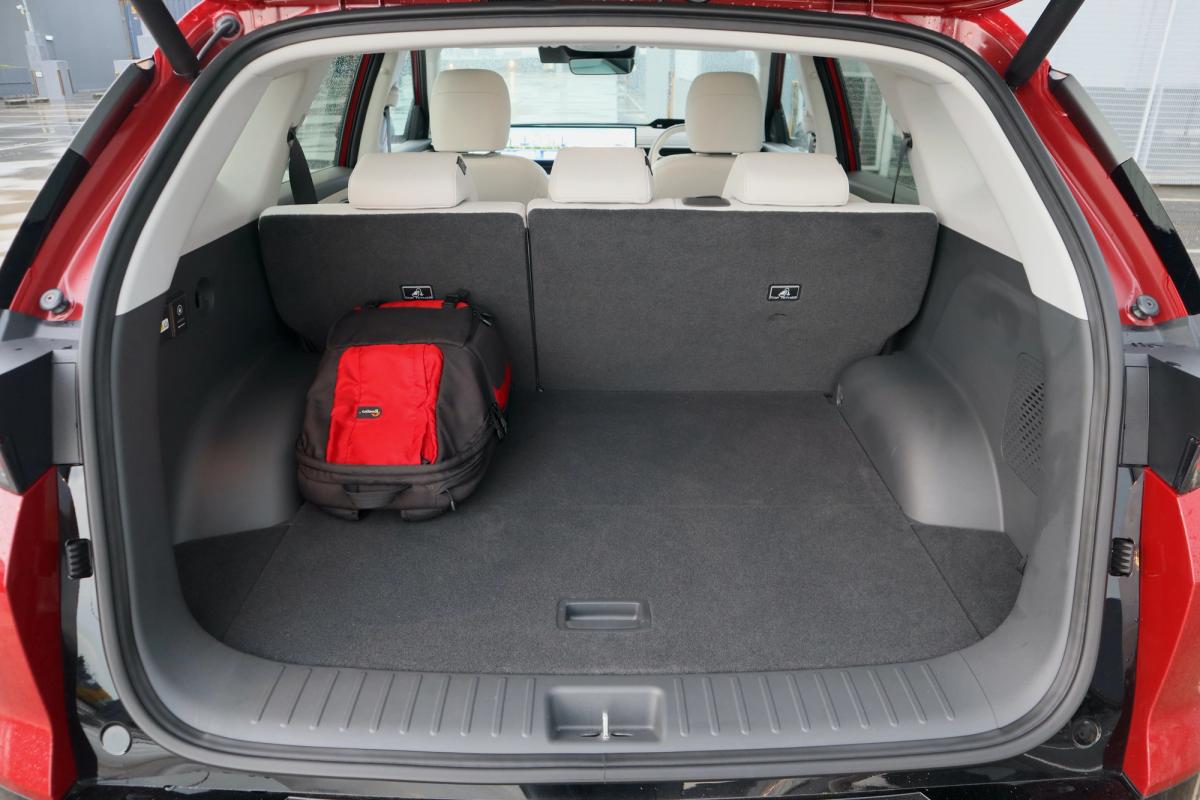
Boot capacity stands at 506-litres, expanding to 1,540-litres with the rear seats folded. Whether it's a week's worth of groceries, sports equipment or luggage for a family getaway to Malaysia, the Elexio should comfortably accommodate most requirements. One omission in this Standard Range variant, however, is a panoramic glass roof - it's a pity because children would surely appreciate having one, particularly on longer journeys.
It would also make an already spacious cabin feel considerably airier.
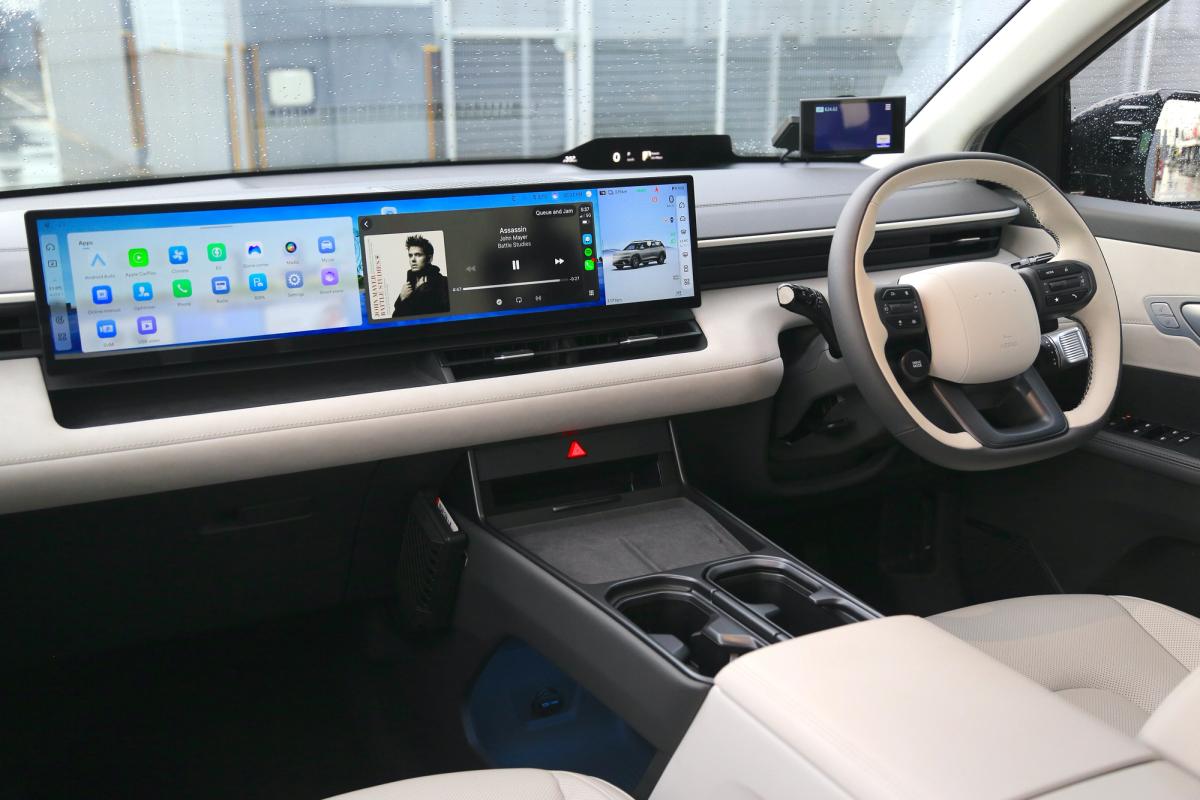
Dominating the dashboard is a seamless 27-inch 4K panoramic display, complemented by a head-up display that presents essential driving information directly ahead of the driver.
The display's horizontal orientation is particularly pleasing, and its integration into the dashboard looks considerably more sophisticated than simply attaching an oversized tablet to the centre console…
Entertainment comes courtesy of an eight-speaker Bose sound system with Dolby Atmos, while the infotainment system incorporates something that would probably have made my younger self rather envious: Video games.
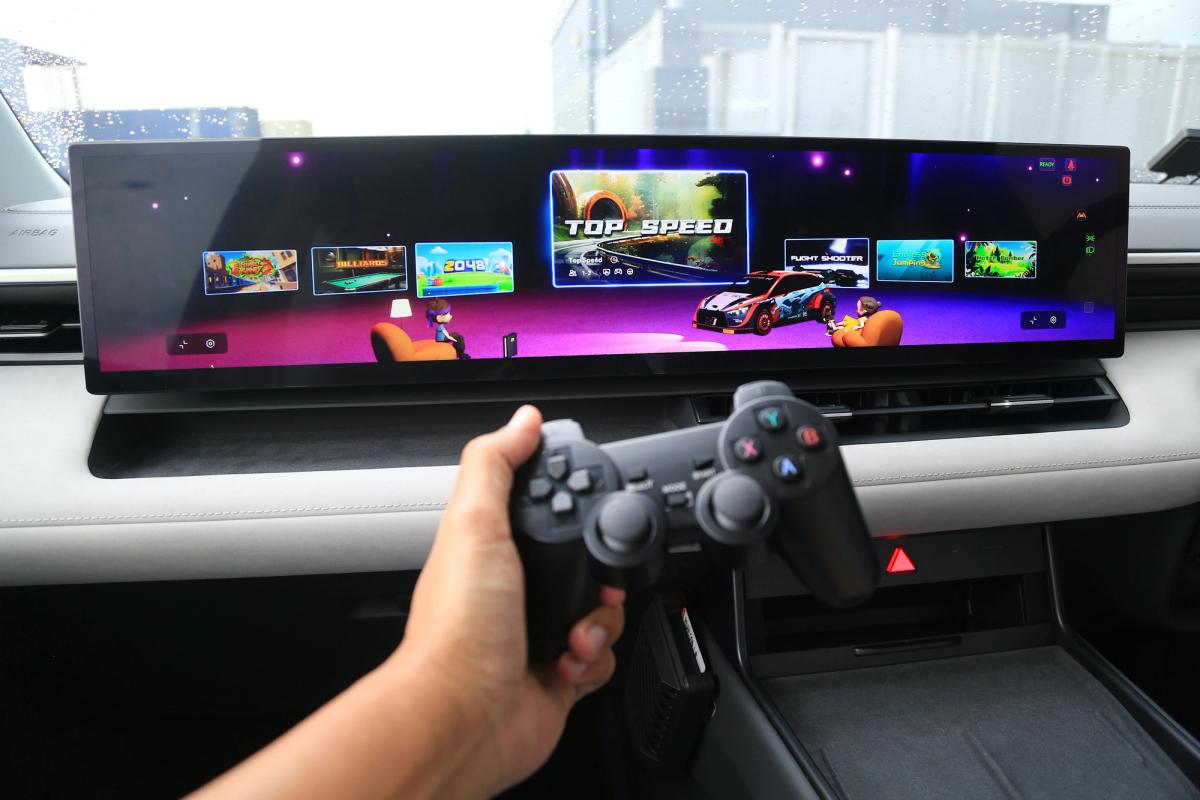
Here's the entertaining bit: With the car stationary, you can use its actual steering wheel to play compatible driving games. Alternatively, a compatible gaming controller can be paired with the system. Getting the children (or even wife) to patiently sit through a charging session might no longer require bribery involving ice cream.
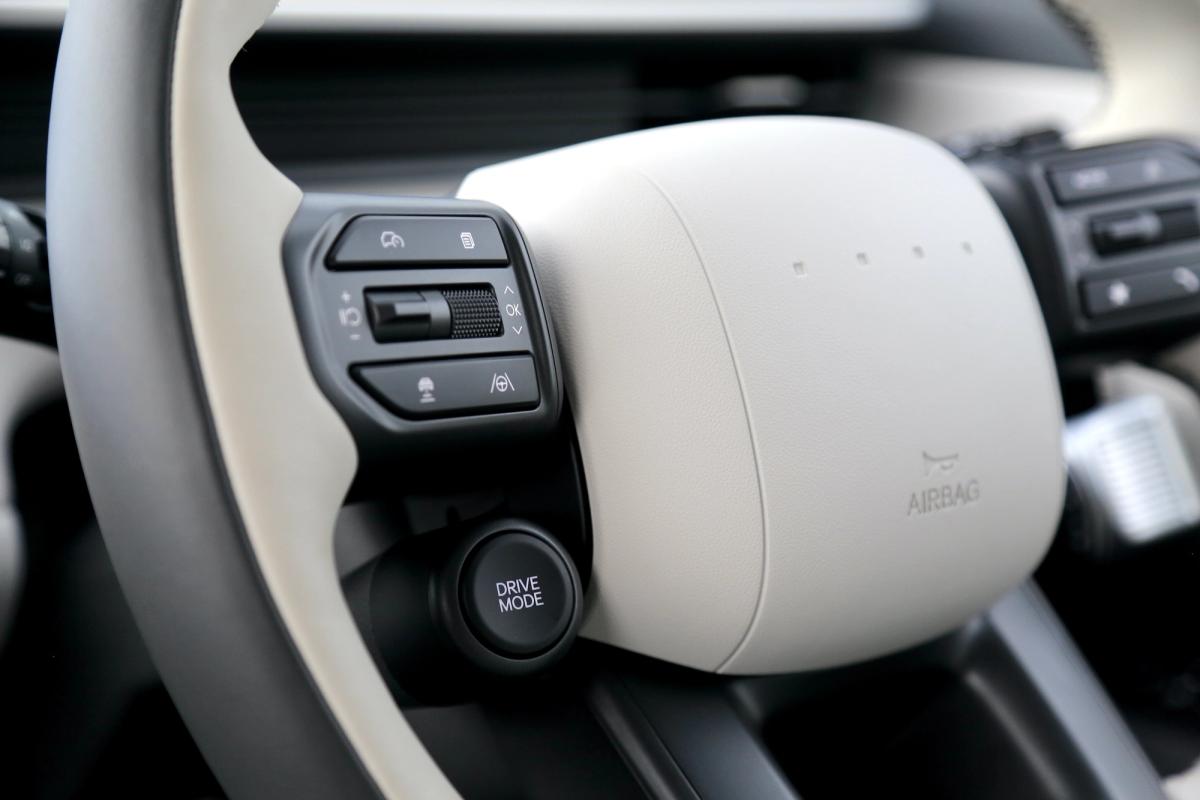
However, my only reservation concerns the reliance on touchscreen controls for certain everyday functions. Call me traditional, but there remains something inherently satisfying about adjusting the air-conditioning without having to look away from the road.
Technically Speaking
Underpinned by Hyundai's dedicated E-GMP electric vehicle platform, the Standard Range Elexio employs a front-mounted electric motor producing 100 kW (134 bhp) and 310 Nm of torque. Standstill to 100 km/h takes 10.7 seconds, with a maximum speed of 185 km/h. Crucially, its power output qualifies it for Category A COE.
Its 64.2 kWh lithium iron phosphate (LFP) Blade Battery provides a combined WLTP range of 405 km, with a claimed energy efficiency of 5.5 km/kWh.
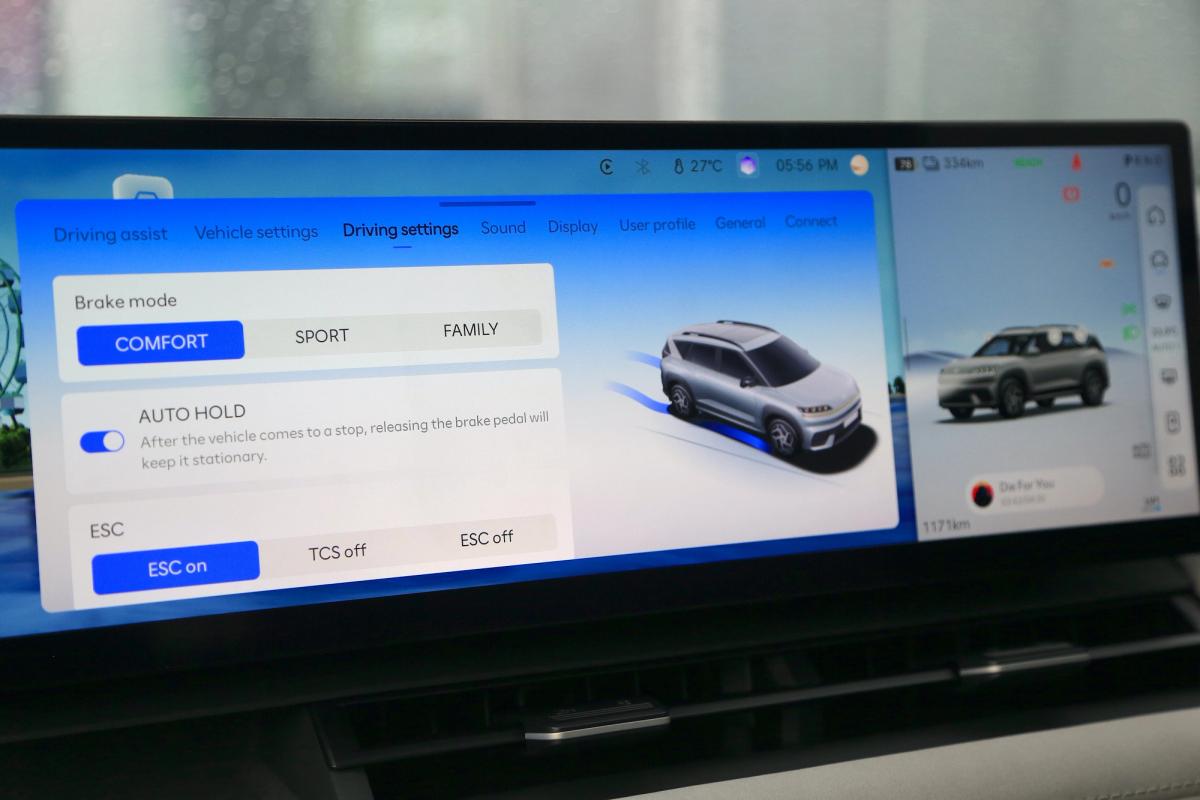
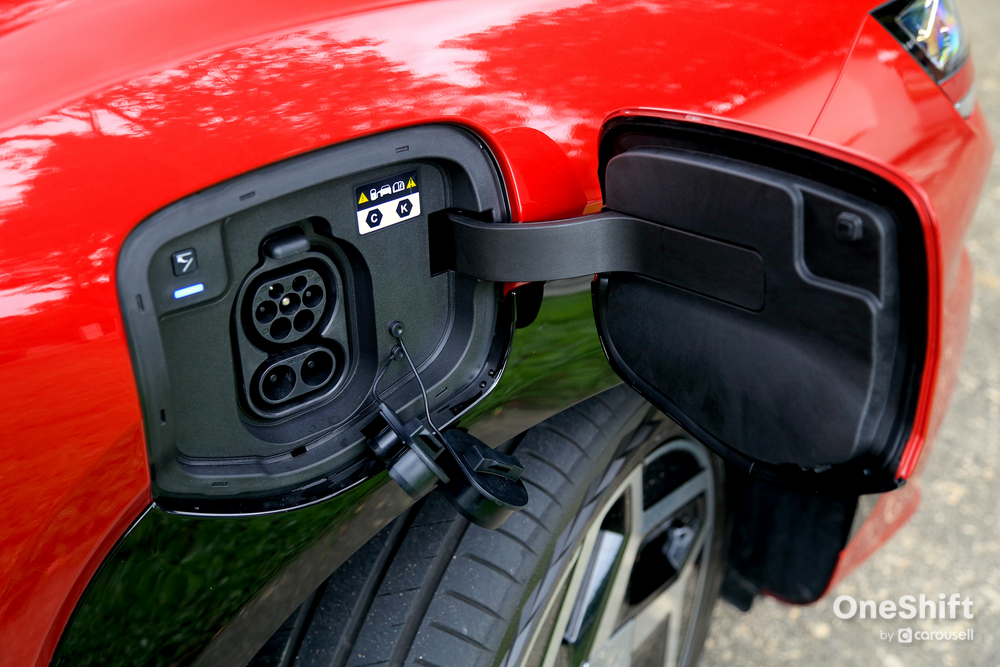
Unlike Hyundai's more sophisticated 800-volt EVs, the Elexio employs a 400-volt electrical architecture and supports DC charging at up to 150 kW. Replenishing the battery from 10 to 80 percent takes approximately 36 minutes under optimal conditions. Vehicle-to-Load (V2L) functionality also allows the battery to supply electricity to external appliances.
For those who regularly venture further into Malaysia, the Long Range variant gets an 88.1 kWh battery and a combined WLTP range of 546 km, while retaining its Category A eligibility.
Driving It
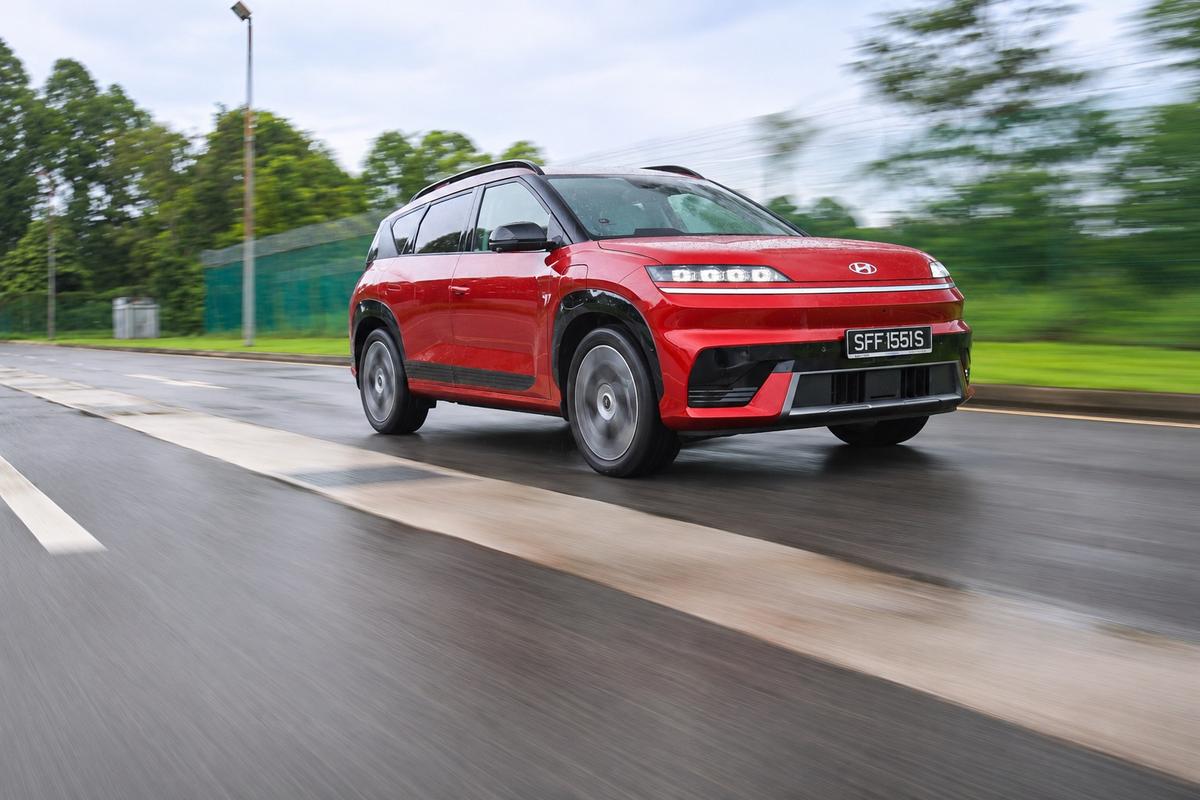
As you'd expect, the Elexio's straight-line performance is sufficient rather than spectacular. But dismissing it on the strength of its acceleration figures would mean overlooking arguably its finest attribute: Its handling.
There's something particularly satisfying about driving an ostensibly sensible family SUV that responds positively when you're in the mood for something a little less sensible. Take a series of bends enthusiastically and this front-wheel drive Elexio reveals a remarkably disciplined chassis - its body movements are progressive and well contained, with the suspension keeping things sufficiently composed even when you're asking more of the car.
The steering, particularly, deserves praise. There's a reassuring degree of feedback through the wheel, allowing you to judge your inputs with confidence. The front end responds predictably, and the car feels cooperative rather than reluctant when changing direction.
Yes, the suspension errs slightly towards firmness, but I'd happily accept that compromise for the confidence it inspires. And this, I reckon, is where Hyundai's engineering input becomes particularly apparent; while several of its Chinese contemporaries prioritise outright comfort and isolation, the Elexio manages to retain a sense of connection between car and driver.
Somebody at Hyundai clearly remembered that the person paying for the car would probably appreciate enjoying it, too.
In A Nutshell
Singaporean buyers are spoilt for choice in this segment. The BYD Atto 3 remains an established proposition, while the Aion V and Proton e.MAS 7 are particularly convincing alternatives for buyers prioritising passenger accommodation and comfort.
The rear-wheel-driven MG S5 and Deepal S05 should appeal to those who appreciate driving dynamics. Meanwhile, the Jaecoo J6 offers something visually unconventional, and the Kia EV5 is perhaps the Elexio's closest conceptual rival.
What makes the Elexio interesting, however, is how neatly it brings together the attributes that matter most to a family without neglecting the interests of the driver. Hence, I wouldn't be terribly surprised if the Hyundai Elexio becomes Singapore's next best-selling Category A electric family SUV.
It's generously sized, thoughtfully equipped, genuinely enjoyable to drive and represents good value for money. For buyers contemplating their first EV but who would prefer spending their money on a brand they've grown familiar with over the years, the Elexio should be right up their alley.
Ultimately, Hyundai's greatest achievement here isn't incorporating Chinese technology into a Korean car. It's taking the strengths of automotive industries, and producing something that feels entirely relevant especially to Singapore.
As far as collaborations go, this is one I'd happily see more of; and I'm very sure most of you too.
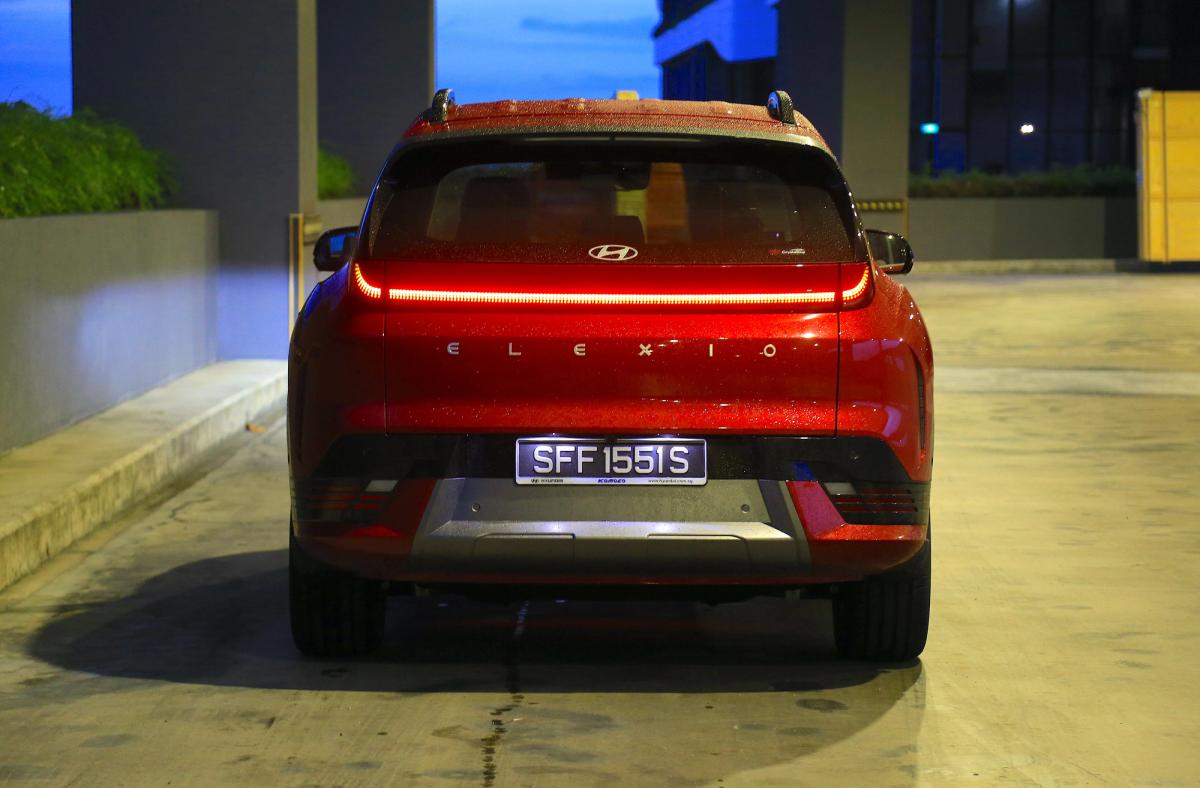
Technical Specification - Hyundai Elexio (Standard Range)
Power/Torque: 134 bhp/310 Nm
Battery type/Capacity: LFP Blade Battery/64.2 kWh
Charging time: 10.8 hours (AC), 36 minutes (DC) - 10 to 80%
Range: 405 km (WLTP)
0-100 km/h: 10.7 seconds
Top speed: 185 km/h
Efficiency: 18.2 kWh/100 km
Agent: Komoco Motors Pte Ltd
Photos by Azfar Hashim (@azfar.talks)
---
Before you buy or sell your car, Carousell first.
Carousell Autos. Singapore’s largest direct owner marketplace for everything cars and motorcycles.




Get the Best Price for your used car
from 500+ dealers in 24 hours




 Convenient and Hassle-Free
- Consumer Protection
Transparent Process
With No Obligation


