


Toyota RAV4 Hybrid (Premium) Review: Sensible Has Never Been This Convincing
Toyota’s latest RAV4 Hybrid proves a family SUV needn’t be complicated to be genuinely accomplished.


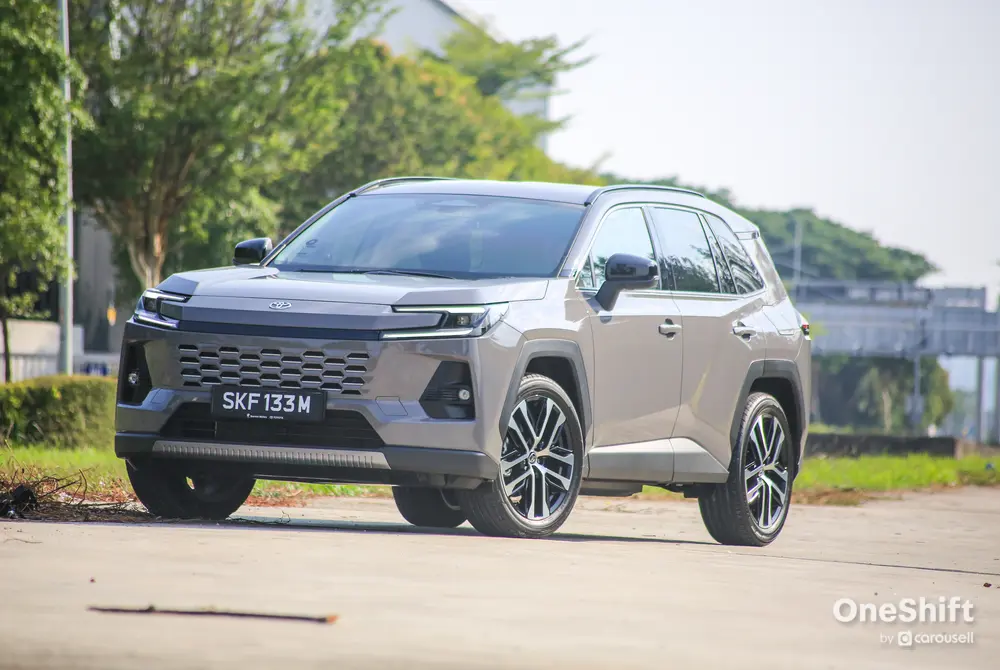
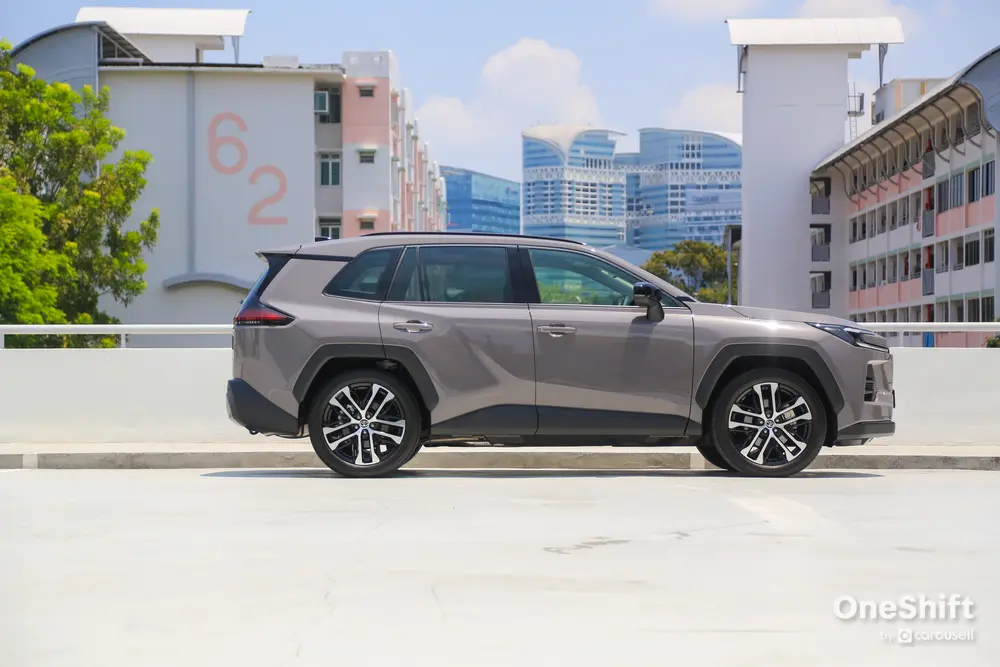
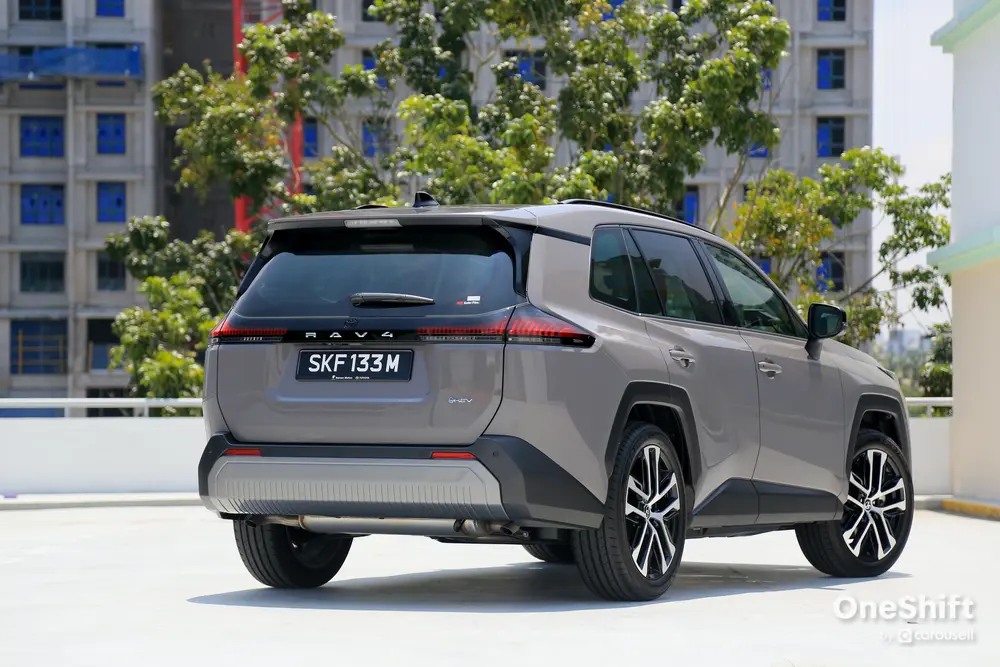
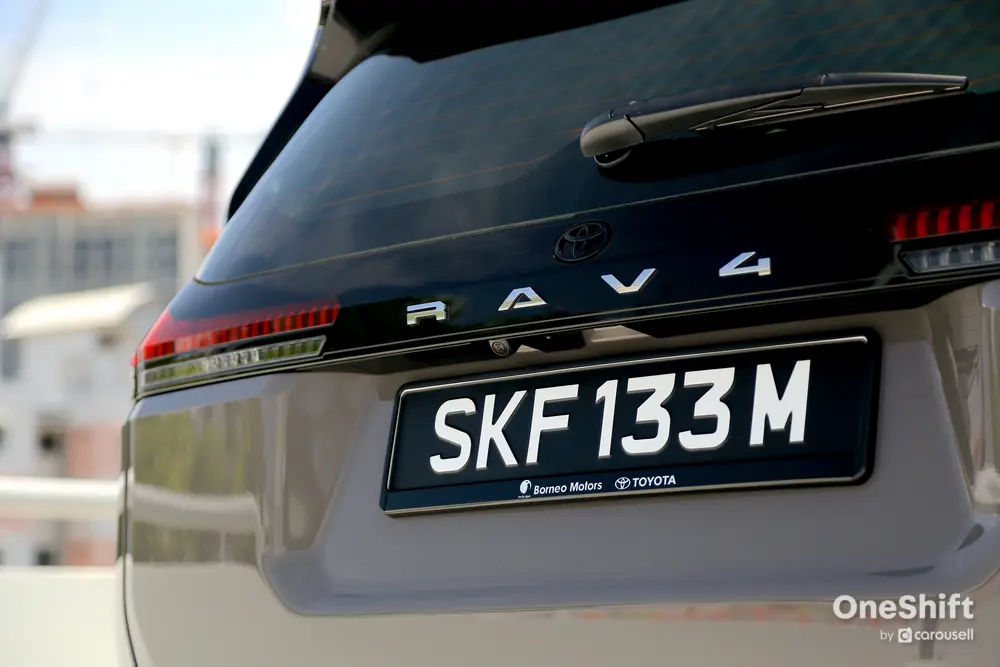
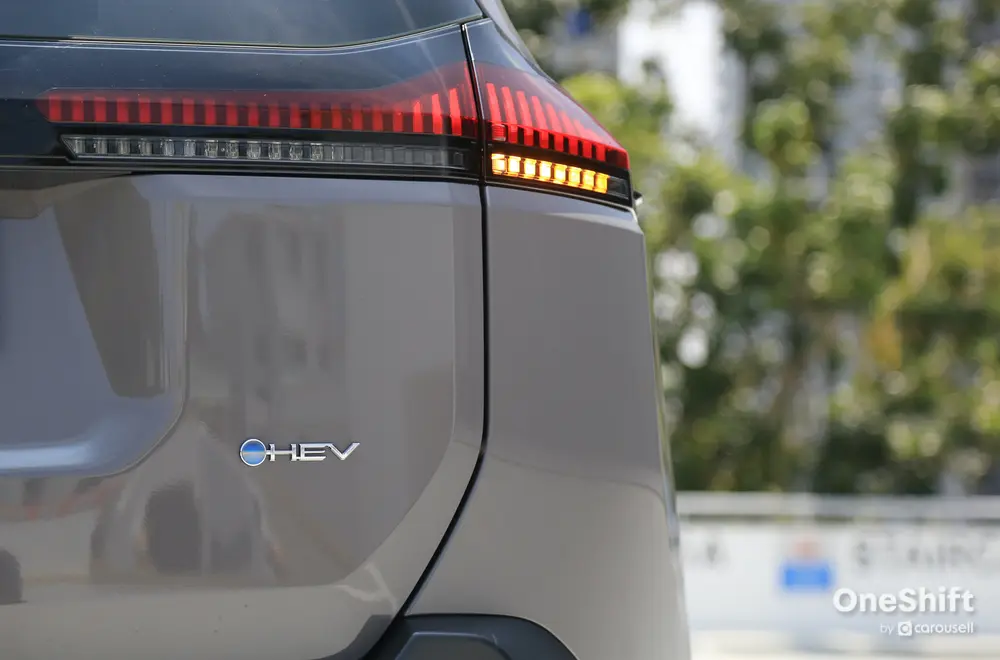
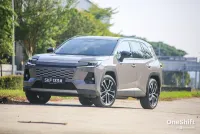
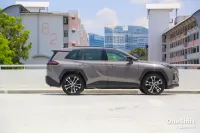
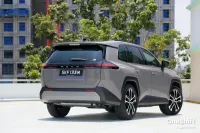
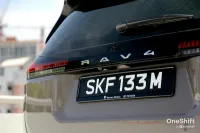
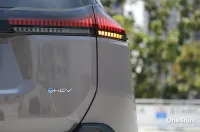
There is a particular point in life when the word “sensible” stops sounding like an insult.
Perhaps it happens after you have spent enough time worrying about charging stations, depreciation, whether three suitcases will fit into the boot, or why something that worked perfectly well with a button now requires three taps on a touchscreen.
This Toyota RAV4 Hybrid feels designed for that point in your life. It isn't revolutionary, doesn't promise to change your relationship with mobility, and doesn't even need you to download another app before you can enjoy it.
Instead, the RAV4 takes everything Toyota has learnt about hybrids, packages it into a spacious family SUV, adds enough performance to prevent boredom and then… tadaa… gets on with the business of being useful.
In Singapore, in 2026, that suddenly sounds rather attractive.
The Inside Story
We arrive at what might be the RAV4's strongest argument: Space.
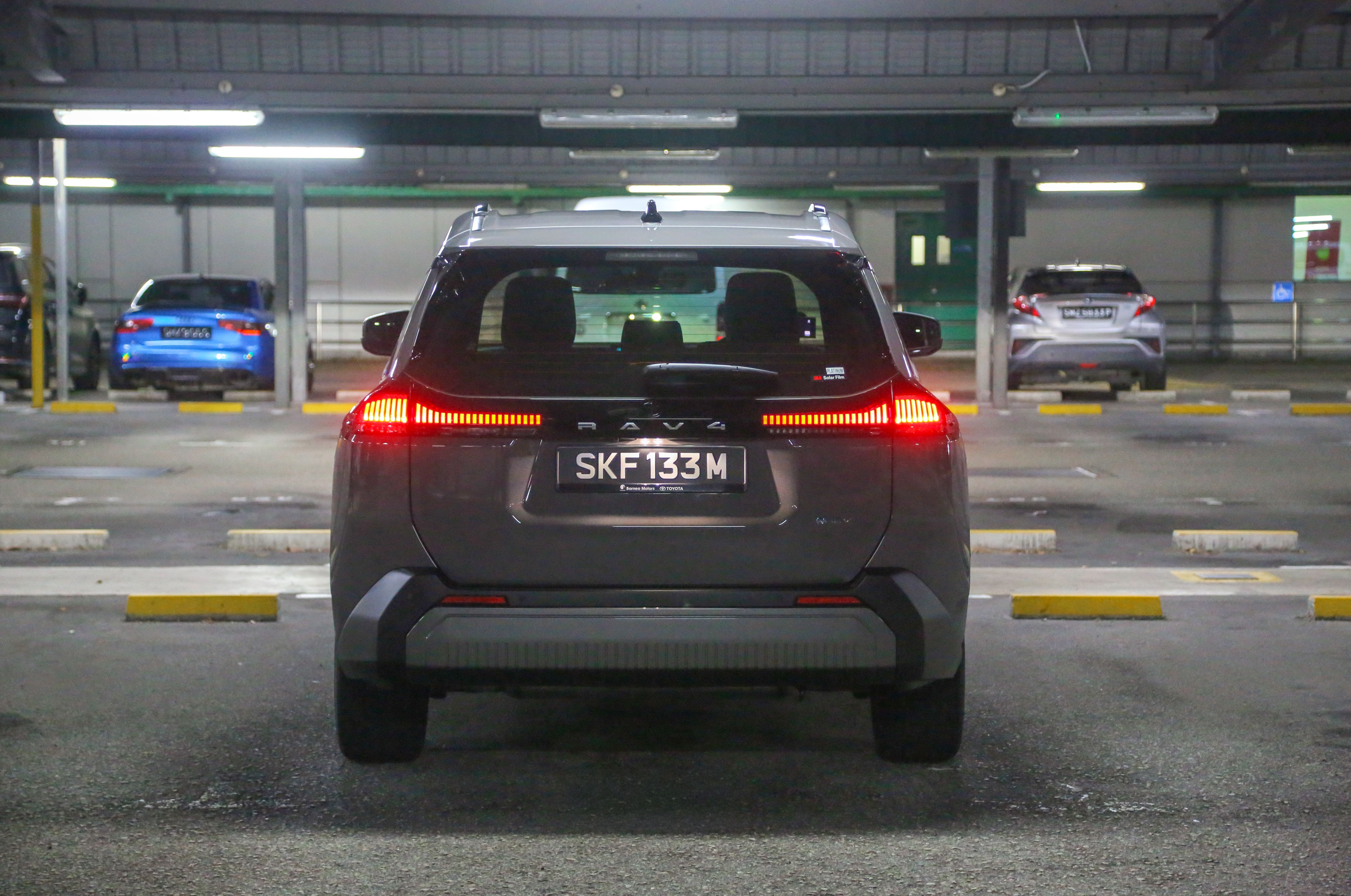
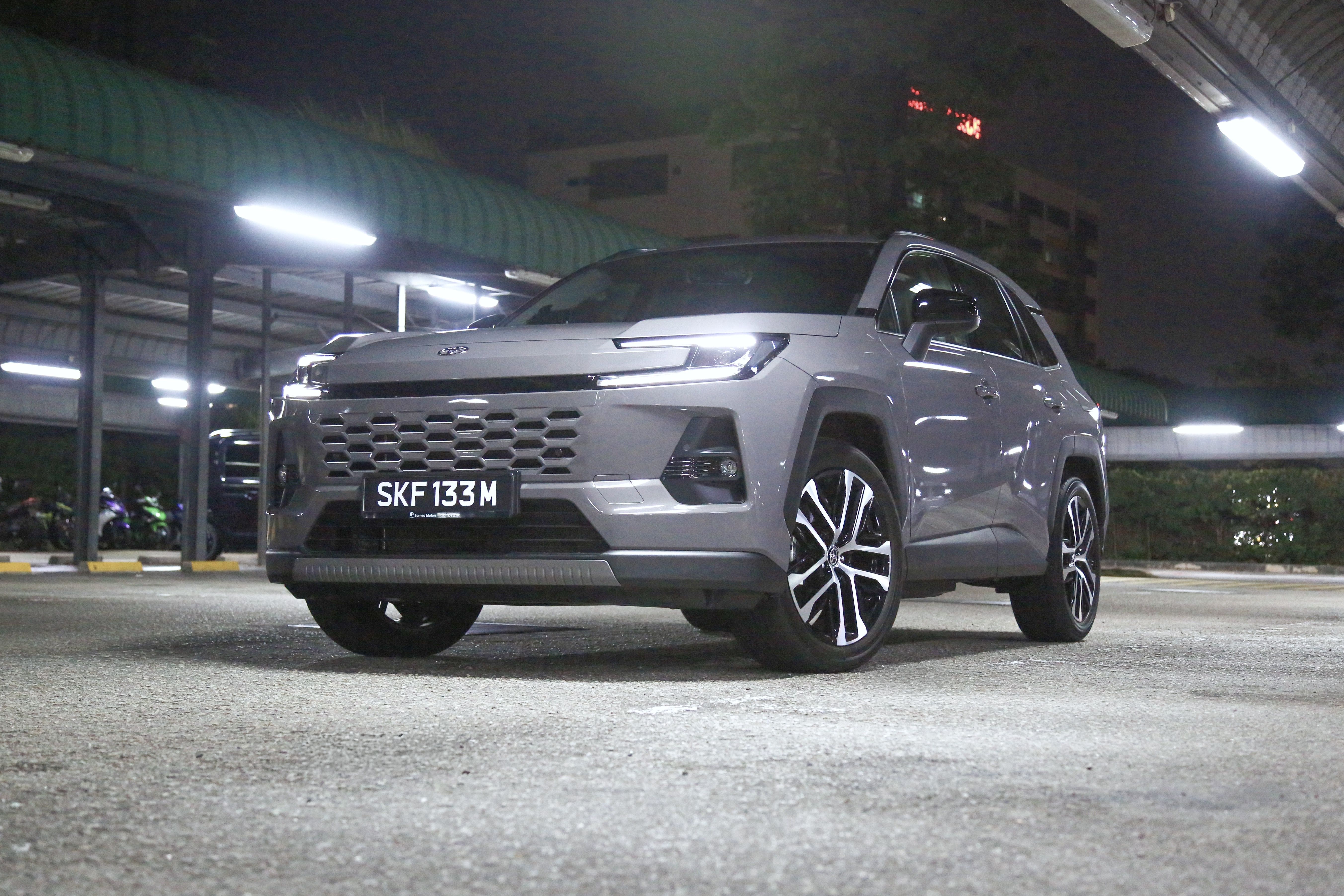
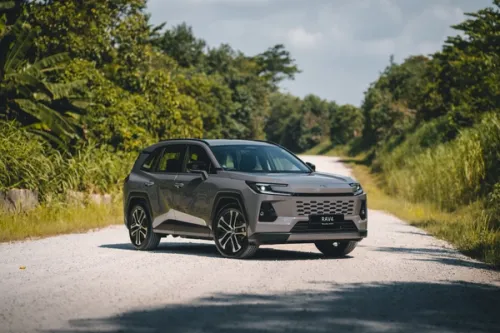
At 4,600 mm long, 1,855 mm wide and with a 2,690 mm wheelbase, it occupies that useful middle ground where it is large enough for family duties without becoming irritating in an HDB multi-storey car park.
Four passengers besides the driver can genuinely fit; more importantly, the fifth person doesn't necessarily have to draw the short straw. A petite adult occupying the rear centre position should remain reasonably comfortable even on a trip to Johor Bahru, rather than spending the entire journey wondering what they did to upset the family.
And then there is the boot.
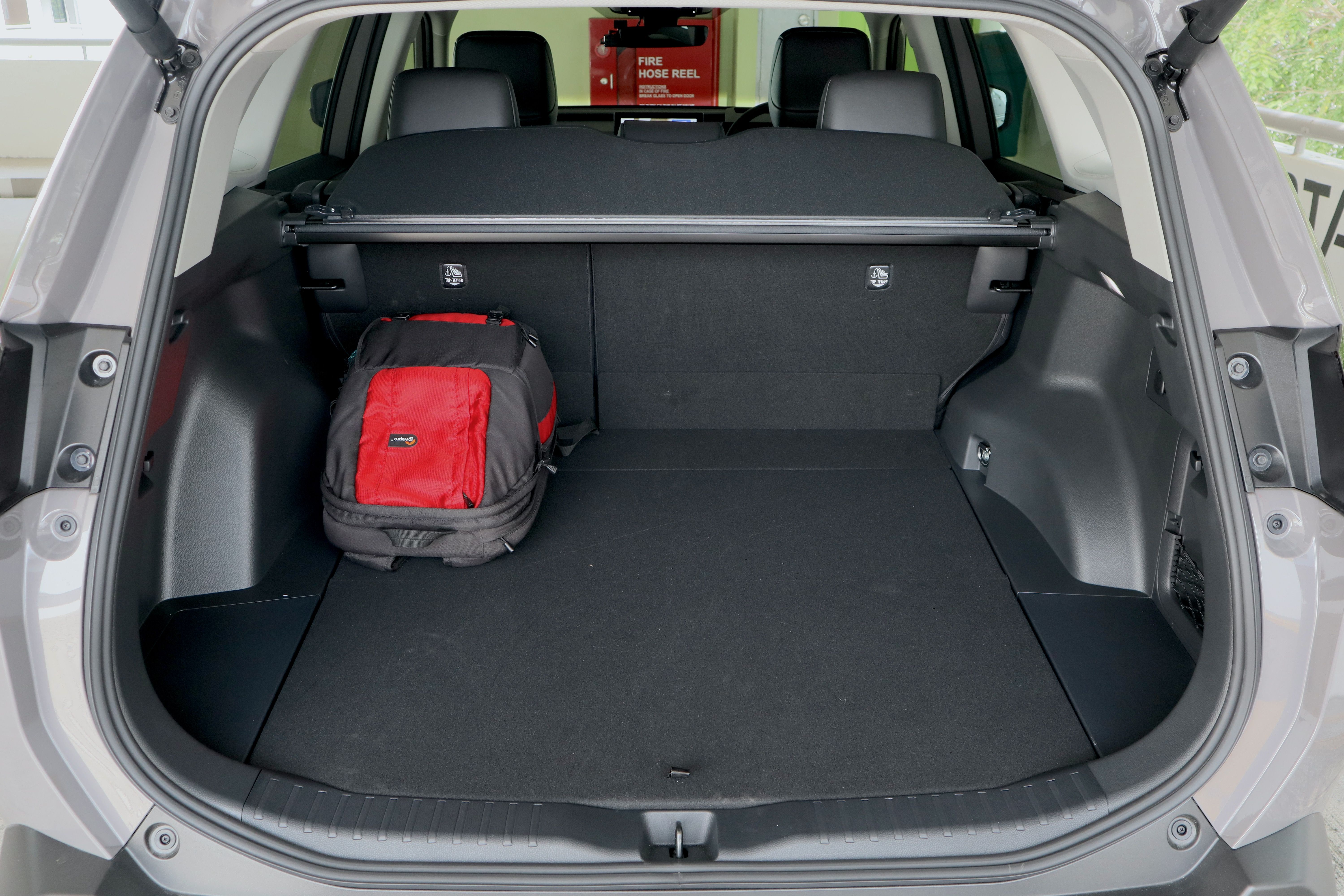
Toyota quotes 749-litres, measured to the roof. That number needs that qualification, because luggage-capacity measurements aren't always directly comparable between manufacturers, but it nevertheless illustrates just how useful the cargo area is.
For perspective, the current Subaru Forester e-BOXER Strong Hybrid offers a quoted 484-litre cargo area, while the BYD Sealion 6 DM-i provides 425-litres.
Different measuring standards mean this isn't a laboratory-perfect comparison, but in practical terms the message is straightforward: The RAV4 has a seriously useful boot. Strollers, luggage, groceries, camera equipment, golf bags and the inevitable JB shopping haul shouldn't require advanced Tetris skills…
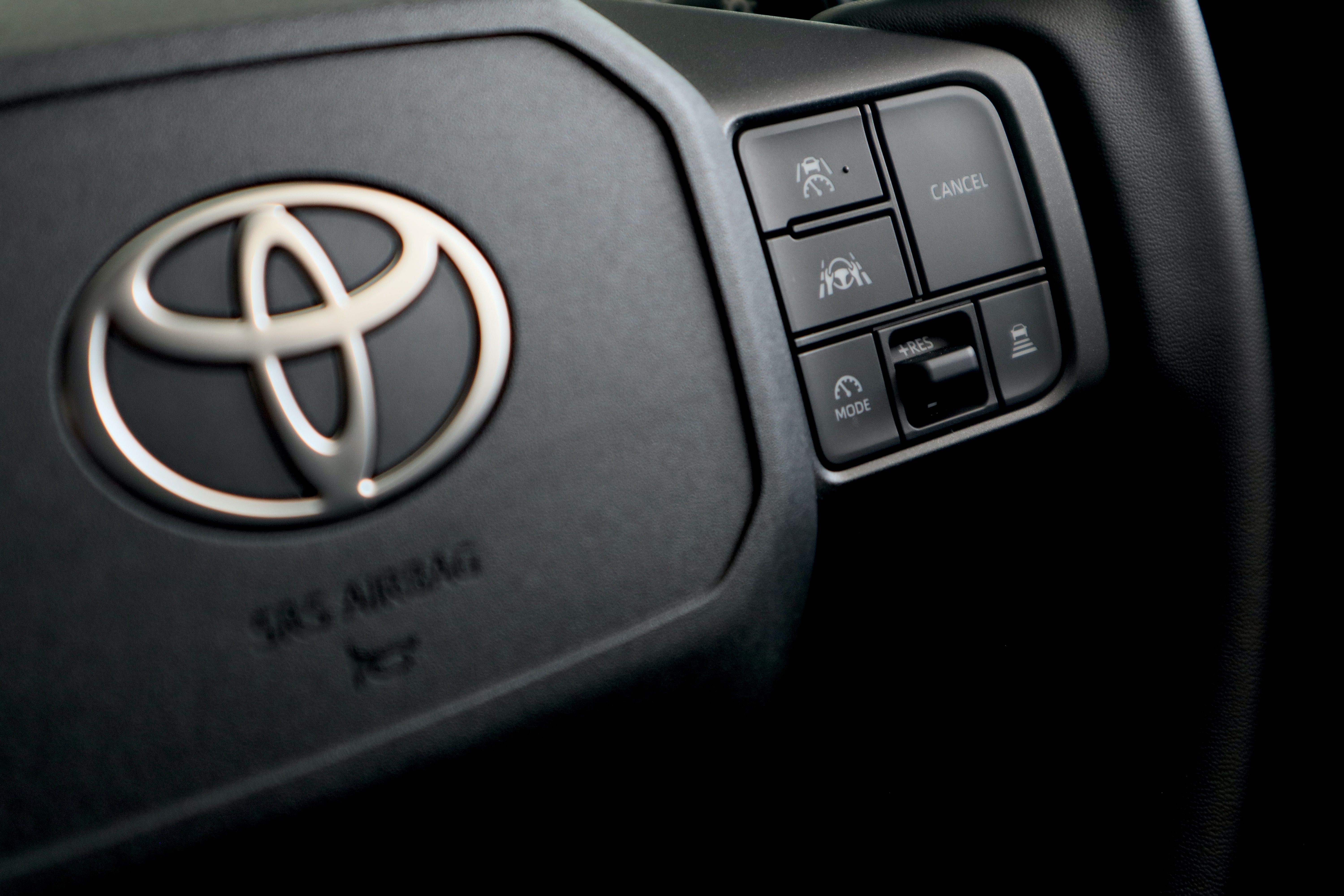
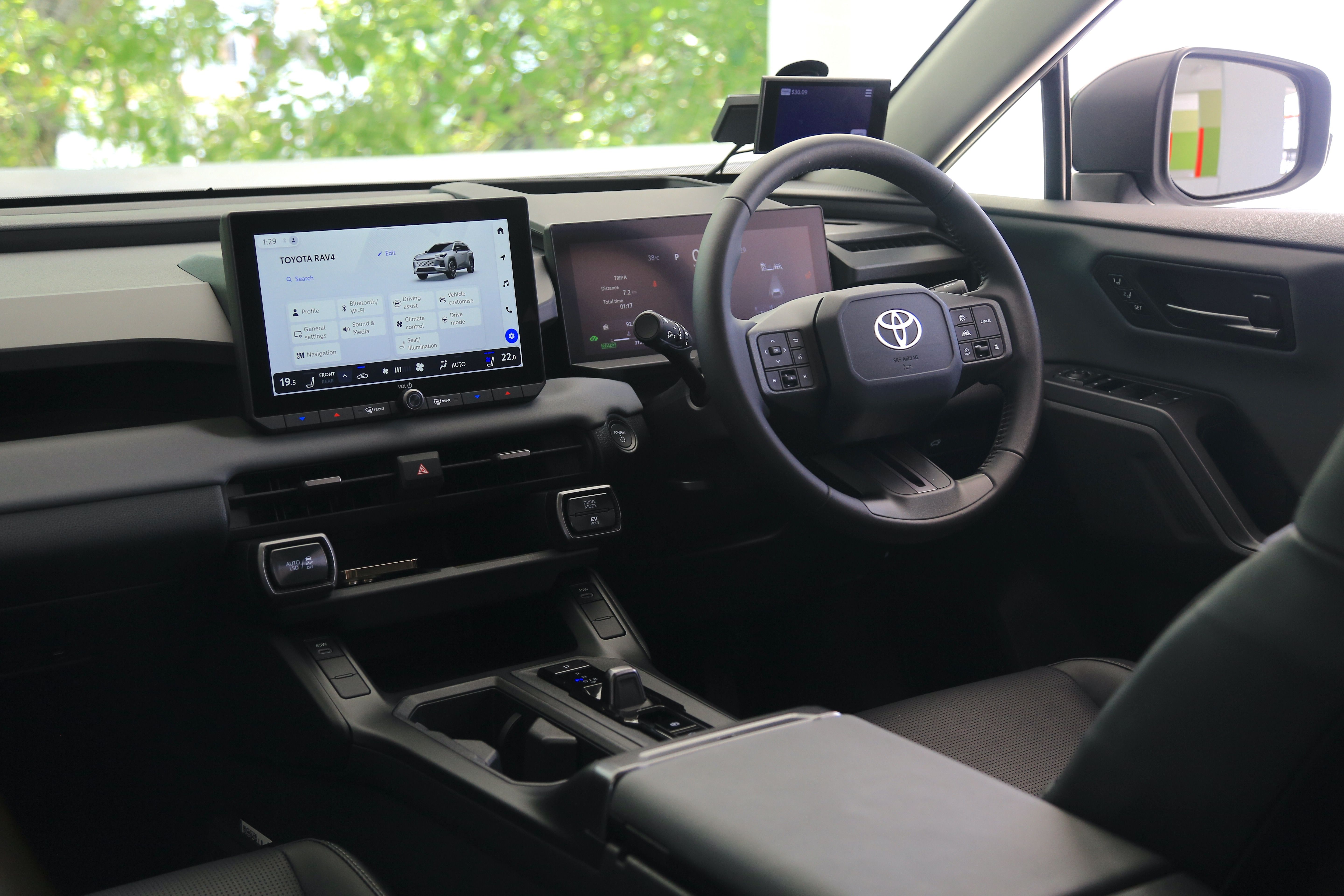
The cabin also reminds you why Toyota owners tend to become repeat Toyota owners: It doesn't overwhelm you with theatrical lighting or acres of glossy trim. Instead, everything feels deliberately assembled.
There is a 12.3-inch instrument display, 10.5-inch multimedia system with wireless Apple CarPlay and Android Auto, head-up display, two wireless phone chargers and USB-C ports front and rear. So this isn't some analogue relic pretending smartphones haven't happened.
But the overriding impression is solidity: Buttons feel like buttons, properly secured. The doors close with reassuring substance.
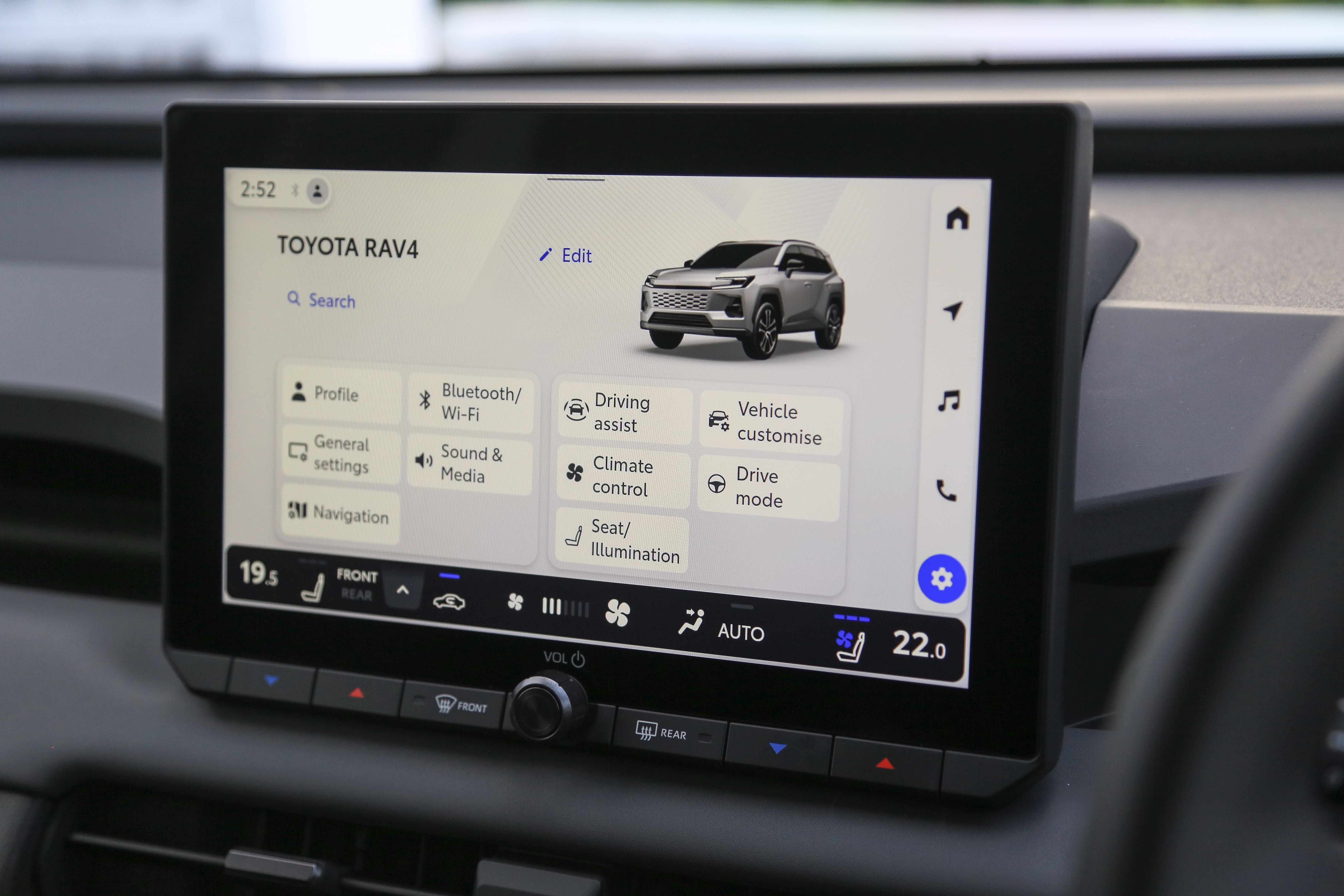
Obviously nobody can promise what an individual car will be like two decades from now, but this is one of those interiors that makes you look around and think it could probably survive two rounds of COE renewal.
By then the infotainment graphics may look hilariously ancient, but I wouldn't be surprised if the switchgear still works. Case in point: I once owned a 1992 Toyota Corolla XLI that was already 26 years old when I took it over from its previous owner. Yet, every control still worked perfectly, and the buttons and switches remained satisfyingly tactile despite their age.
Powering It
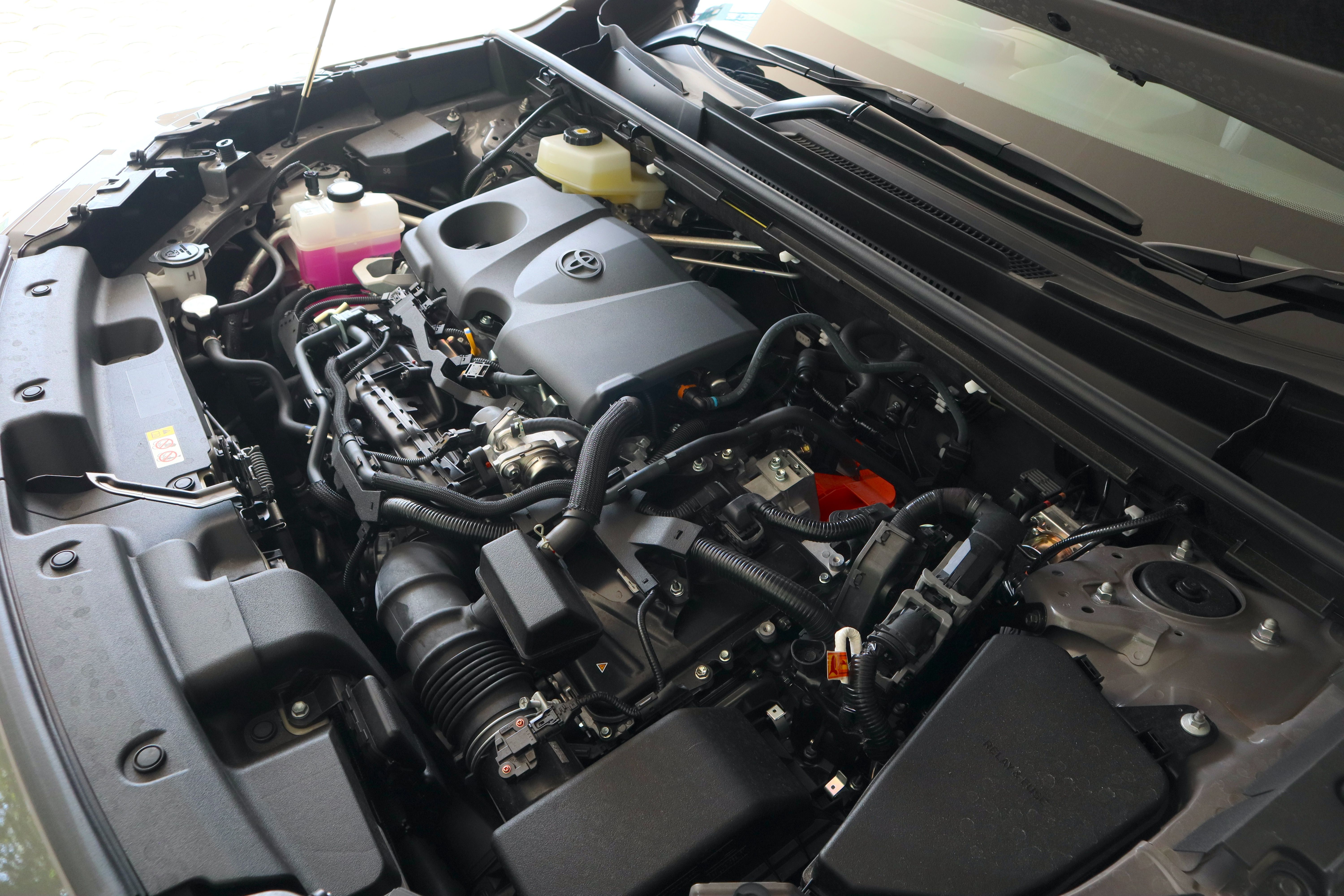
Under the bonnet is a 2,487 cc naturally aspirated four-cylinder petrol engine working with an electric motor and lithium-ion battery through an E-CVT.
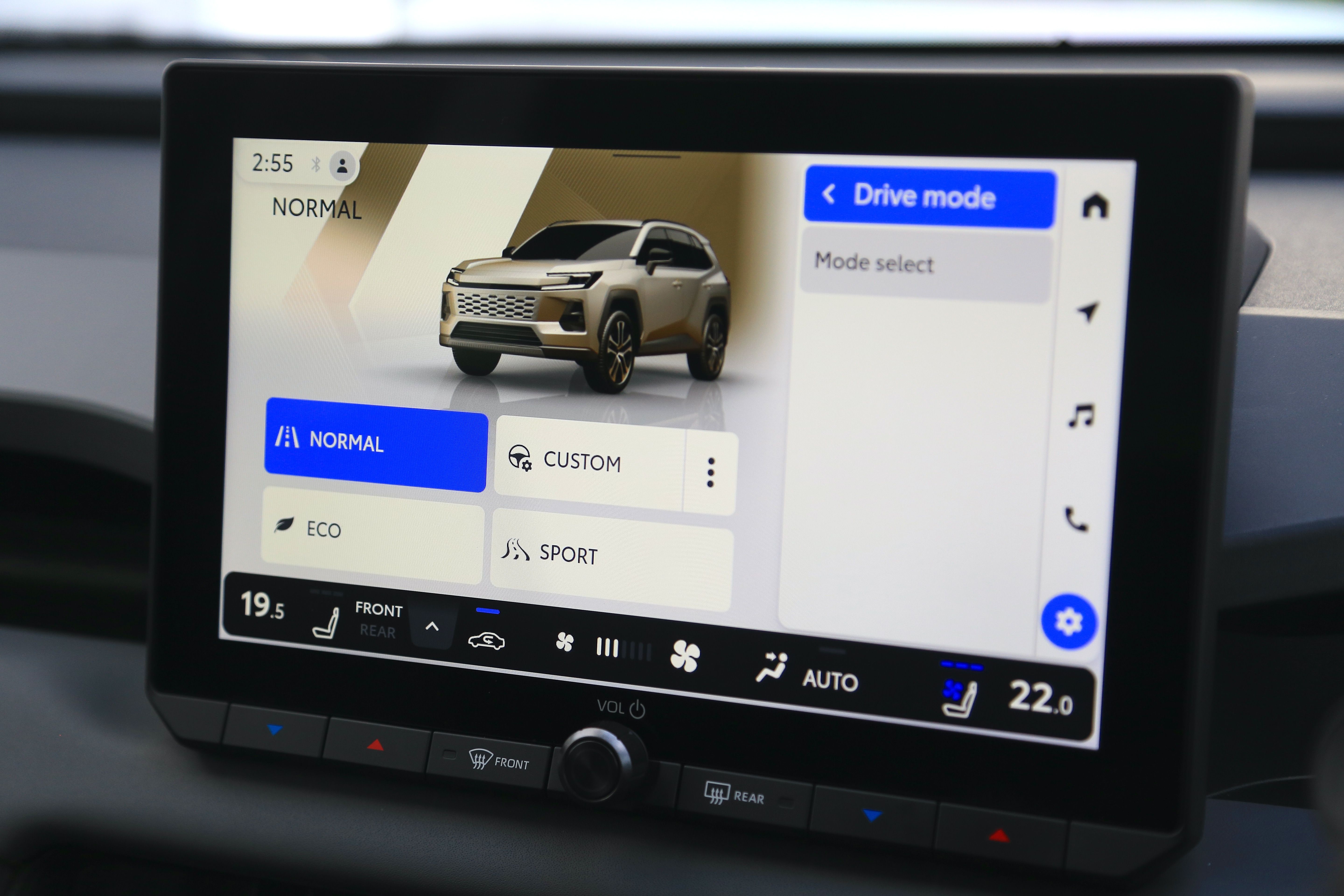
The petrol engine produces 185 bhp, while the electric motor contributes 134 bhp; because hybrid outputs don't simply add together, combined system output is 215 bhp, with Toyota quoting 221 Nm of torque and an 8.0-second 0-100km/h time. Drive goes exclusively to the front wheels.
And yes, you read that right: The RAV4 still has a 2.5-litre engine at a time when downsizing is fashionable…
Come to think of it, there is something wonderfully Toyota about that.
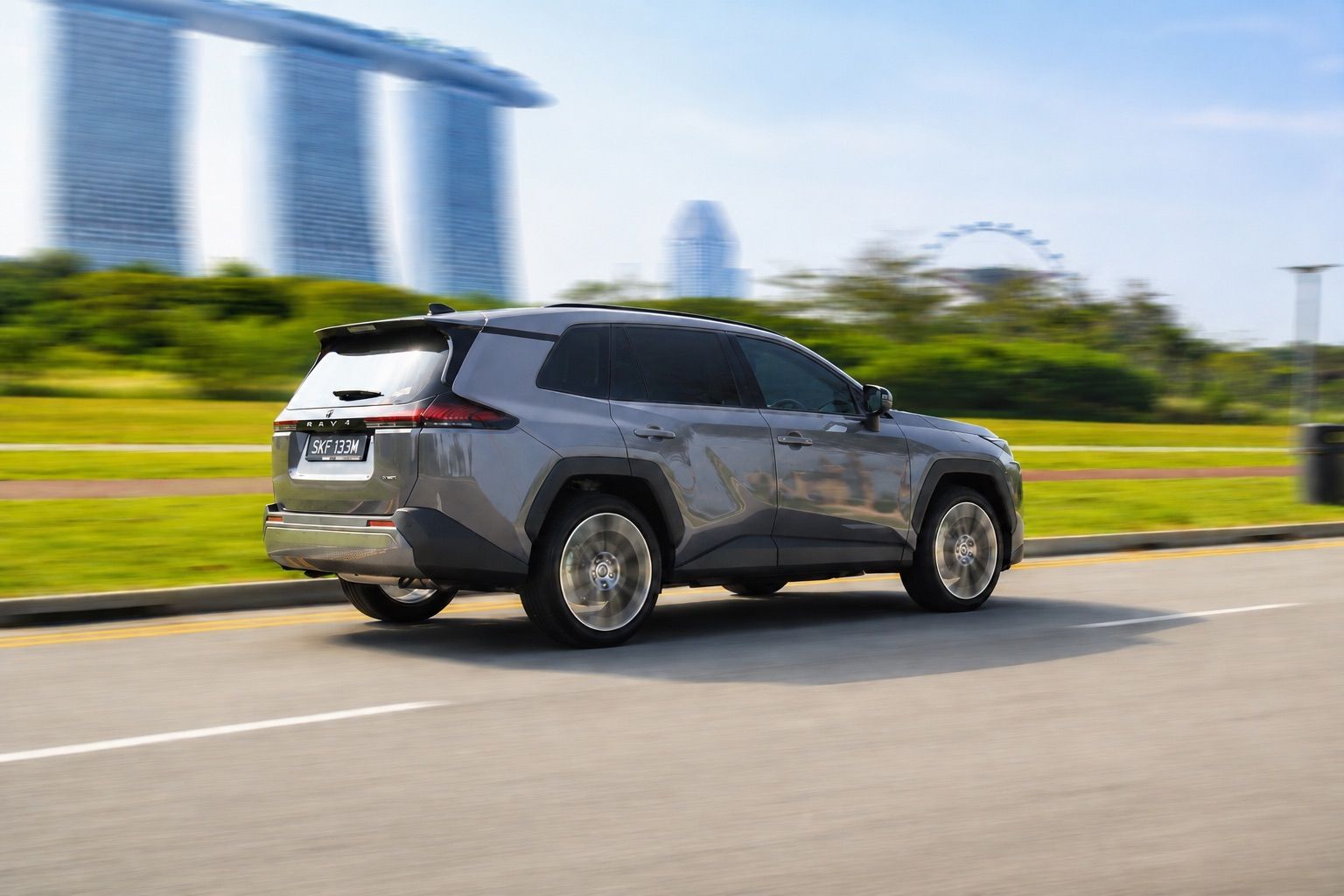
More importantly, the hybrid system works. Official fuel consumption is 19.6 km/L, or 5.1 L/100 km. Combined with its 55-litre fuel tank, simple mathematics gives the RAV4 a theoretical range of more than 1,050 km. Real-world conditions will naturally alter that number, but the point remains: Singapore to Kuala Lumpur and back without visiting a petrol station isn't an absurd proposition.
And unlike a plug-in hybrid, there is nothing to charge - you drive it exactly like a normal ICE car. Which is probably exactly what a significant number of Singaporean motorists still want.
Driving It
Around town, the RAV4 makes a convincing case for Toyota's continued faith in full hybrids.
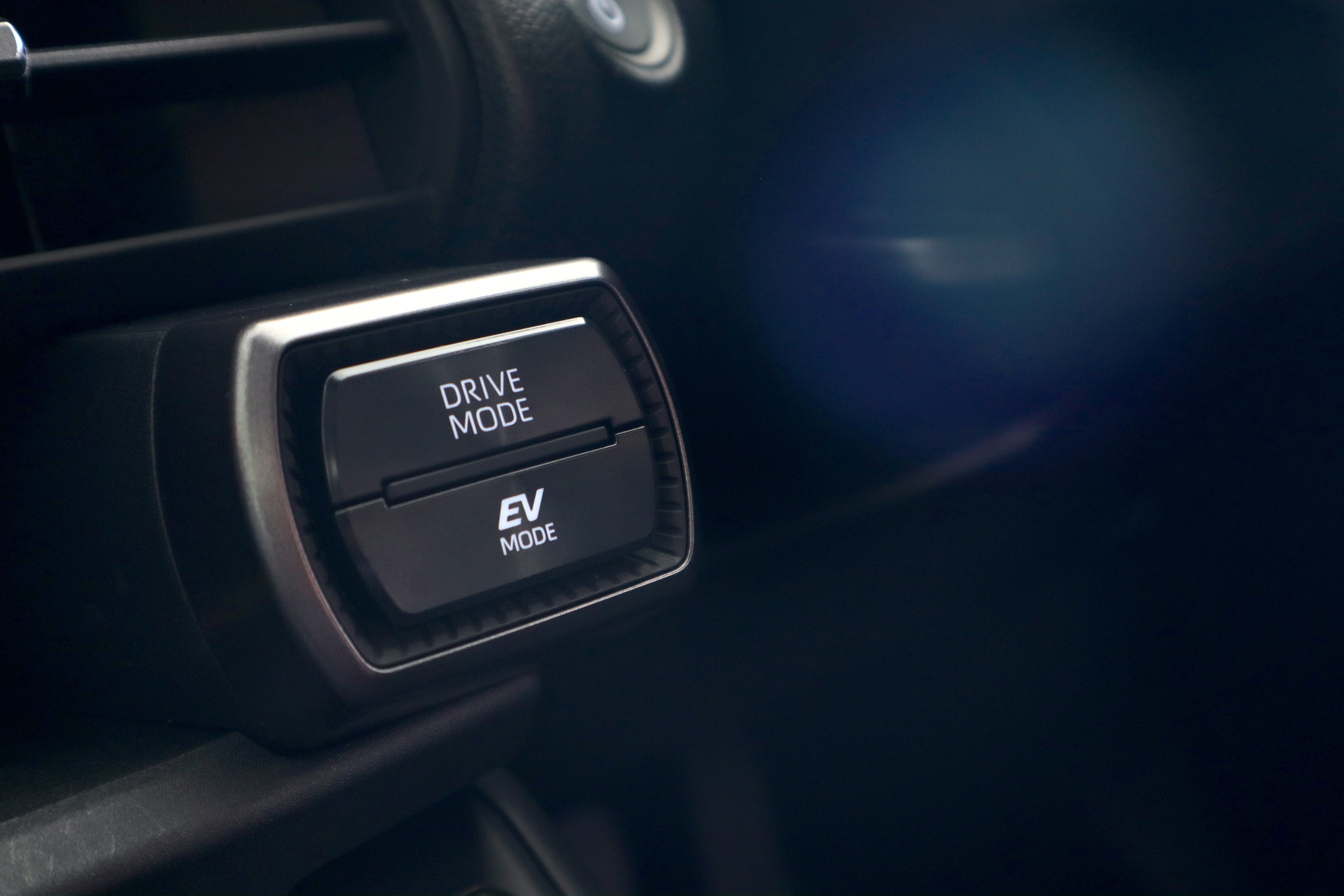
When the battery is fully charged, it gives you that quiet, smooth initial response normally associated with an EV. In crawling traffic, car parks and residential streets, the hybrid system shuffles energy around without demanding your attention. That's exactly how good hybrid technology should behave.
There is, however, room for improvement.
When the petrol engine wakes up after a period of EV running, the transition isn't always as polished as I would like. You can hear and occasionally feel the internal-combustion side of the drivetrain joining proceedings, particularly when asking for stronger acceleration.
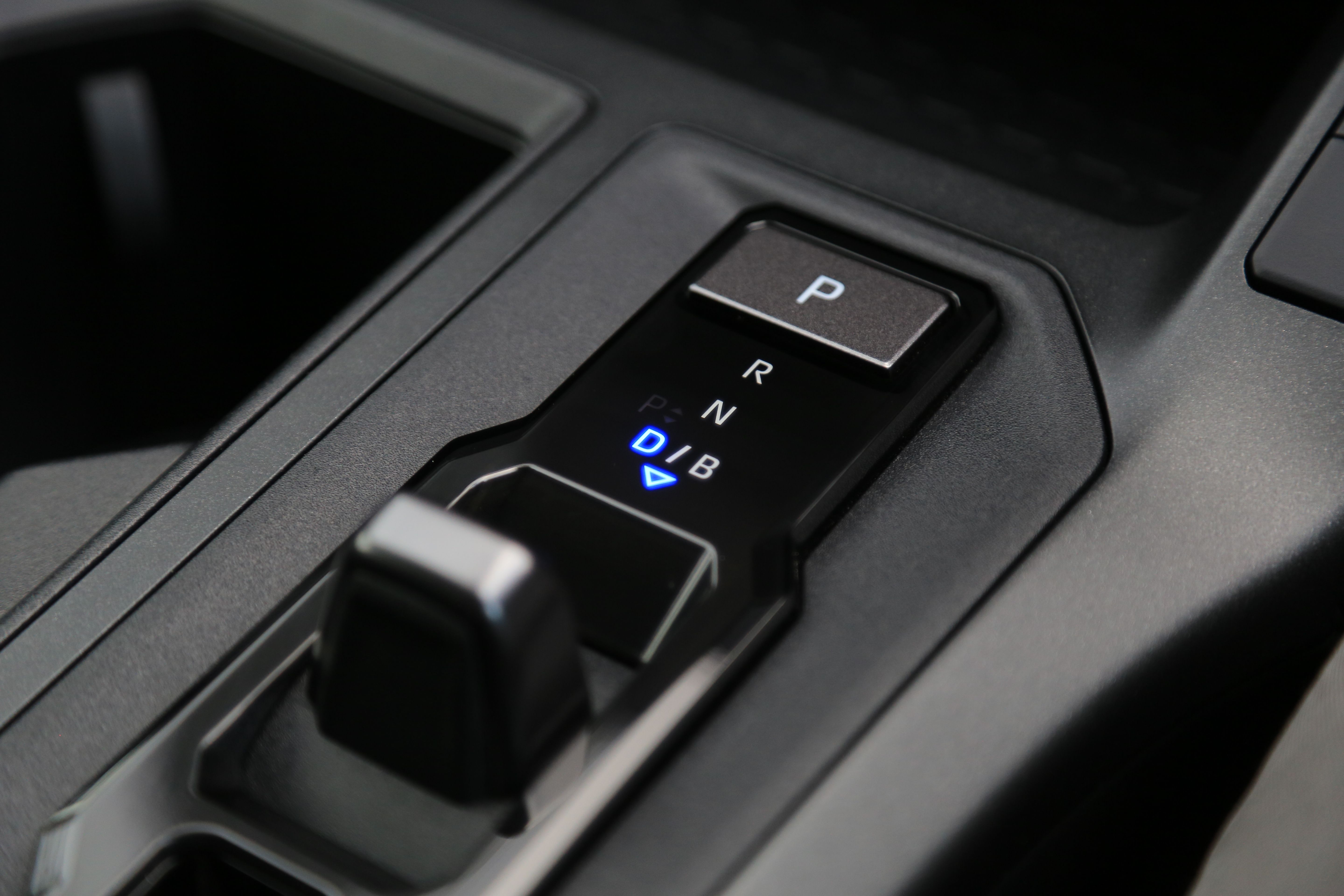
It's hardly crude, but after experiencing some of the latest electrified drivetrains - particularly plug-in hybrids that spend considerably more time behaving like EVs - the Toyota's transition between electric and petrol propulsion can feel slightly old-school.
Once everything is underway, however, the drivetrain settles nicely.
And there is useful performance available. Yes, standstill to 100 km/h in 8 second isn't sports-car territory, obviously, but 215 bhp means overtaking doesn't require a committee meeting.
Handling Department
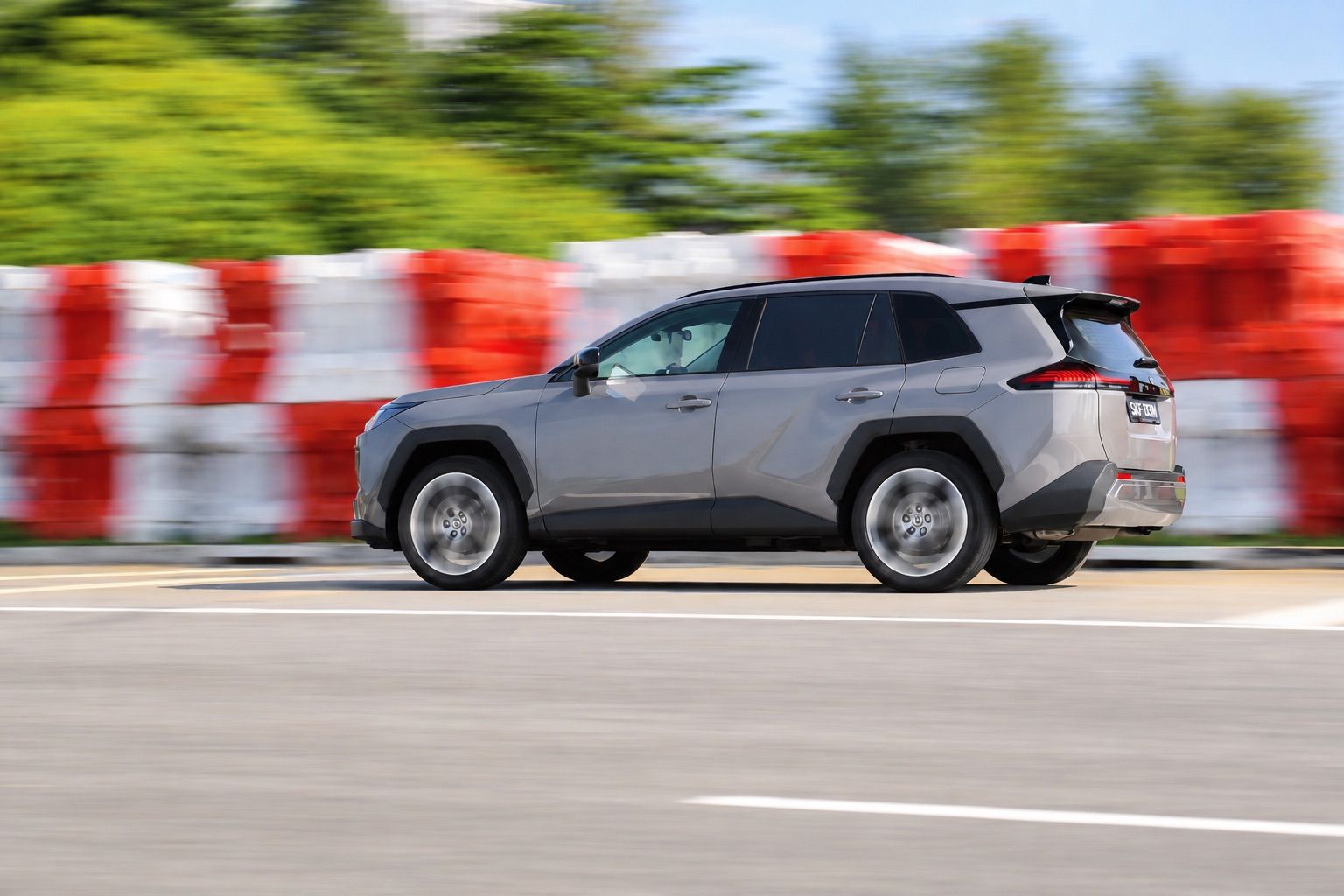
The more surprising part is what happens when the road starts turning. At 1,680 mm tall and weighing 1,655 kg, the RAV4 isn't pretending to be a GR86. Nor should it…
But there is enough composure underneath to entertain the average driver who, after dropping off the family, occasionally discovers an empty series of bends and thinks, why not?
The MacPherson-strut front and trailing-arm wishbone rear keep the body reasonably well controlled. There is inevitably some lean - physics hasn't received an OTA update yet - but the RAV4 remains predictable and reassuring when you increase the pace.
That's an important distinction.
It isn't a sporty SUV, but it isn't an SUV that punishes you for trying to have a little fun either. For the typical owner who spends 95 percent of the time commuting and five percent enjoying the drive home, that's arguably the better compromise.
Safety Sense Gets Sharper
Family buyers will also appreciate the safety equipment.
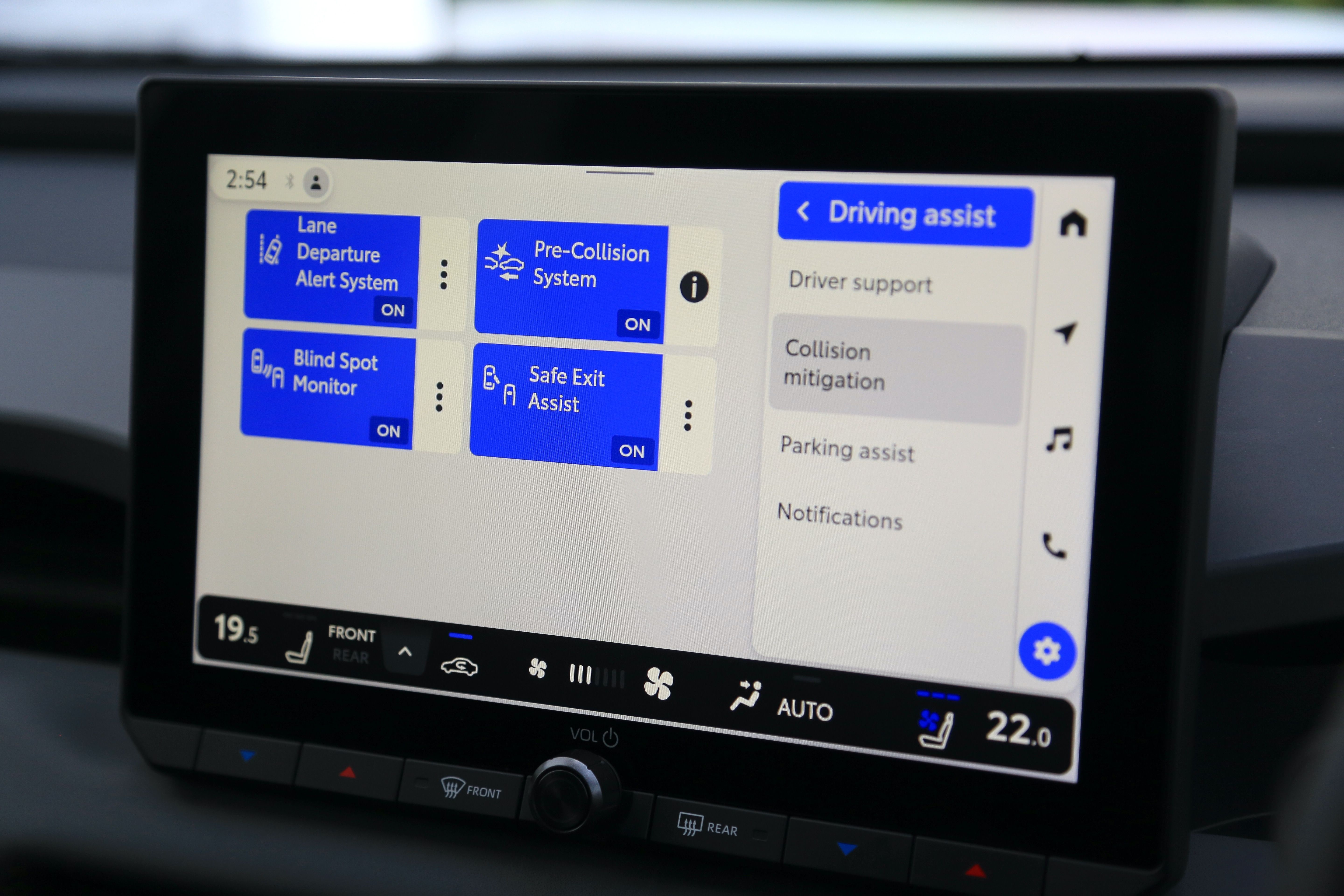
There are eight airbags, Blind Spot Monitor and the new Toyota Safety Sense 4.0 suite. This brings enhanced Pre-Collision System, Dynamic Radar Cruise Control, Lane Tracing Assist, Lane Departure Alert, Road Sign Assist, Adaptive High Beam and Safe Exit Assist.
The important thing isn't simply the length of that list.
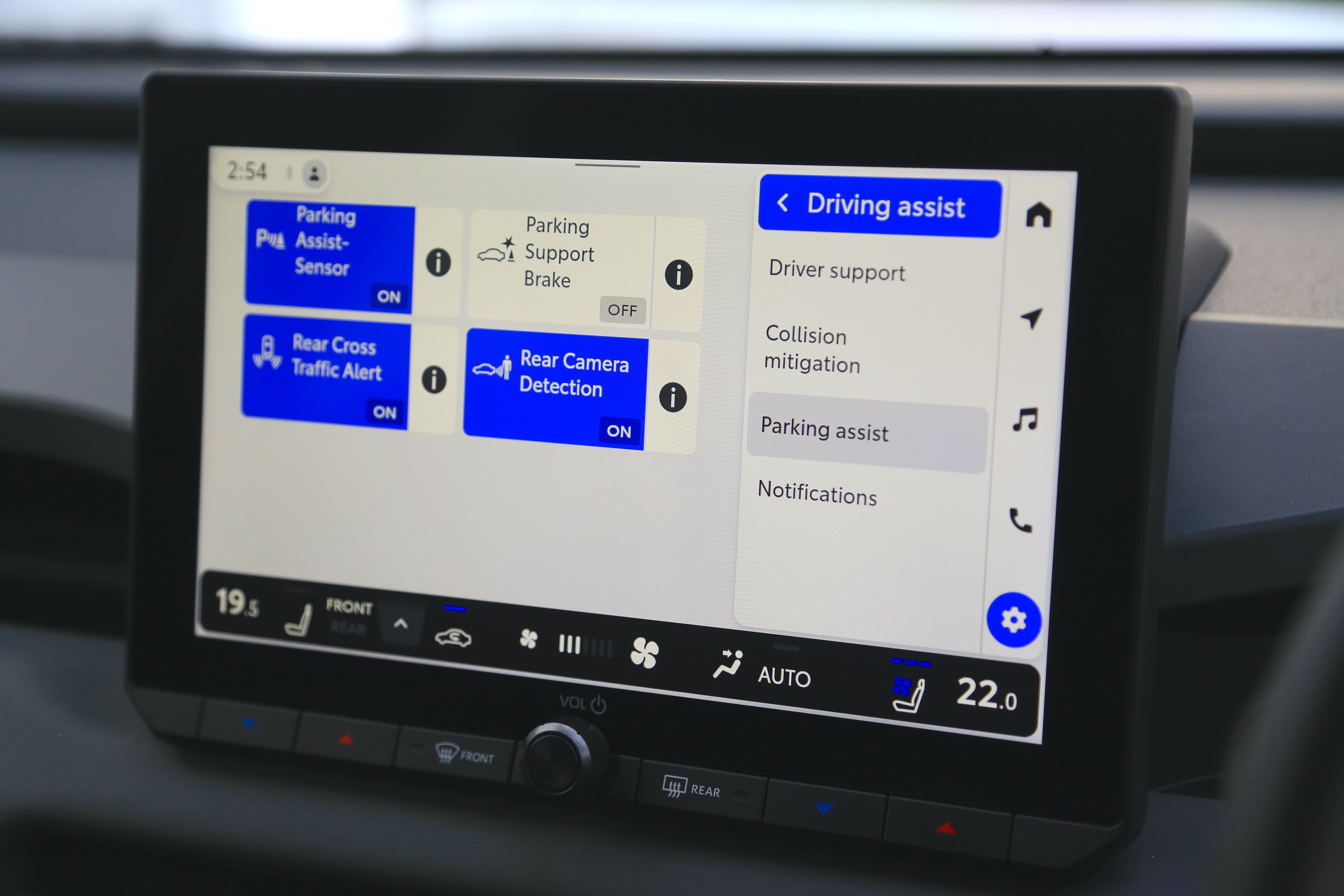
Systems like adaptive cruise control and lane assistance genuinely reduce workload during longer drives, particularly on the North-South Expressway, while Safe Exit Assist is one of those features you hope never becomes necessary but will appreciate when cyclists or motorcycles appear alongside the car.
Driver assistance should remain assistance, of course; your eyes and judgement are still standard equipment.
In A Nutshell
If your priority is maximum electric-only driving, the BYD Sealion 6 DM-i makes a compelling alternative. Its plug-in hybrid system can provide up to 105 km of electric driving and BYD also claims more than 1,000 km of overall range.
If all-wheel-drive security and Subaru's particular approach to chassis engineering matter more, the Forester e-BOXER deserves serious consideration. It too claims more than 1,000 km of range, adds Symmetrical All-Wheel Drive and has its own excellent EyeSight safety suite.
The Toyota's argument is, frankly, no different. Besides the fact theRAV4 doesn't require charging and offers excellent fuel economy, it comfortably seats five, has an enormous and genuinely useful cargo area, provides enough performance for Singapore roads and can even entertain when you find yourself alone behind the wheel.
Thing is,its hybrid drivetrain could be more refined when the petrol engine cuts in, and shoppers seduced by giant screens and lounge-like cabins may find some newer Chinese competitors more impressive inside.
But those criticisms also reveal what the RAV4 is trying to be - it isn't attempting to win you over during a five-minute showroom demonstration. It's trying to still make sense after five years.And ten.Potentially twenty.
For buyers who want to experiment with the newest automotive technology, there are more adventurous choices. But if you want one family SUV that asks very little of you - no charging routine, no lifestyle adjustment and very little compromise between weekday commuting, family duty and road trips north - the RAV4 Hybrid is remarkably difficult to argue against.
Sensible? Absolutely. When sensible means roughly 1,000 km between refuelling stops, 215 bhp, room for five and a boot capable of swallowing most of your family's bad packing decisions, sensible suddenly sounds rather… clever.
Photos by Azfar Hashim (@azfar.talks)
---
Before you buy or sell your car, Carousell first.
Carousell Autos. Singapore’s largest direct owner marketplace for everything cars and motorcycles.



Get the Best Price for your used car
from 500+ dealers in 24 hours



 Convenient and Hassle-Free
- Consumer Protection
Transparent Process
With No Obligation


