


Lamborghini Temerario Review: Electrified But Absolutely Alive
Lamborghini embraces hybrid technology without sacrificing the noise, madness and theatre that make its cars unforgettable.


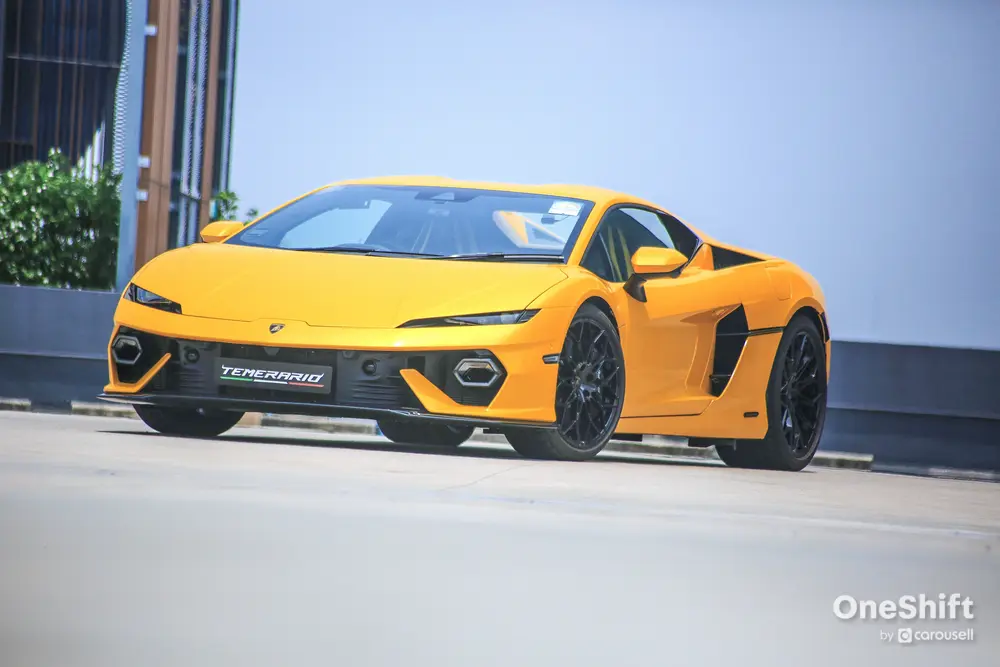
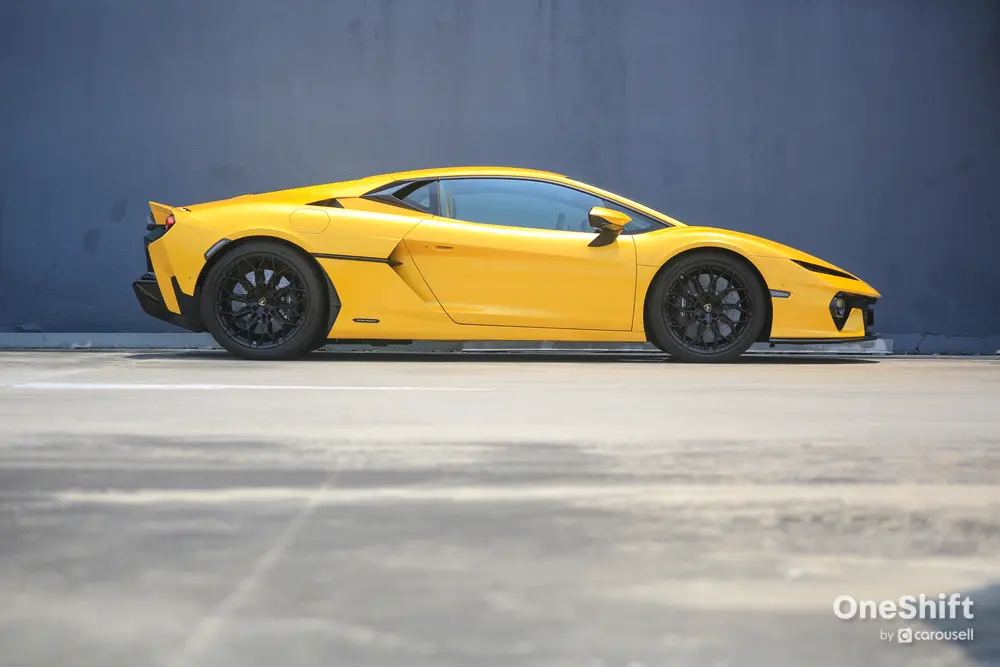
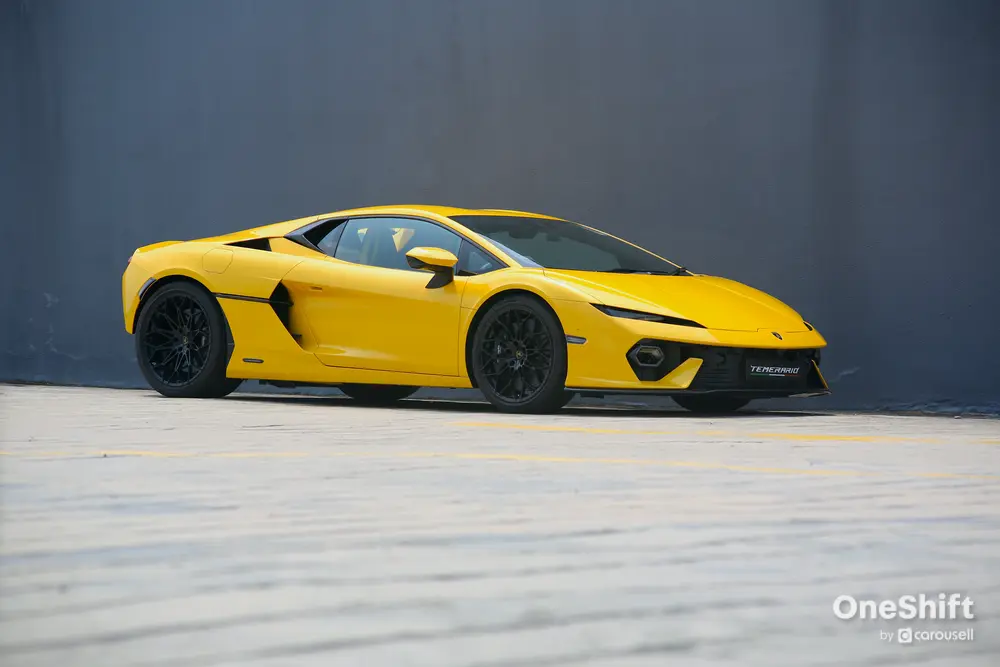
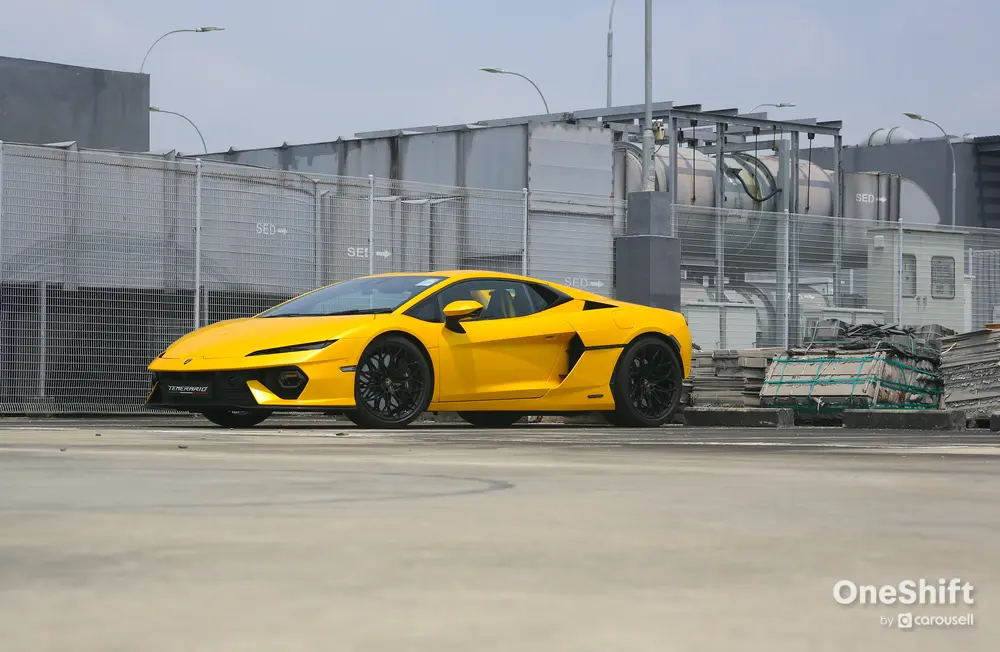
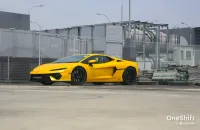
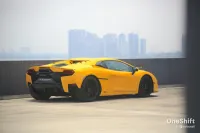
Replacing the Huracán was never going to be easy. For more than a decade, Lamborghini's "junior" supercar was powered by one of the great engines of our time: A naturally aspirated V10.
No turbochargers, no electrification; just ten cylinders making increasingly antisocial noises behind your head. (Sidenote: I could still clearly remember how it felt driving the Gallardo LP550-2 - it’s quite pointless having an audio system as all you wanted to aurally enjoy in that car is its engine note, especially when pulling away.)
The Temerario therefore arrives carrying considerable baggage…
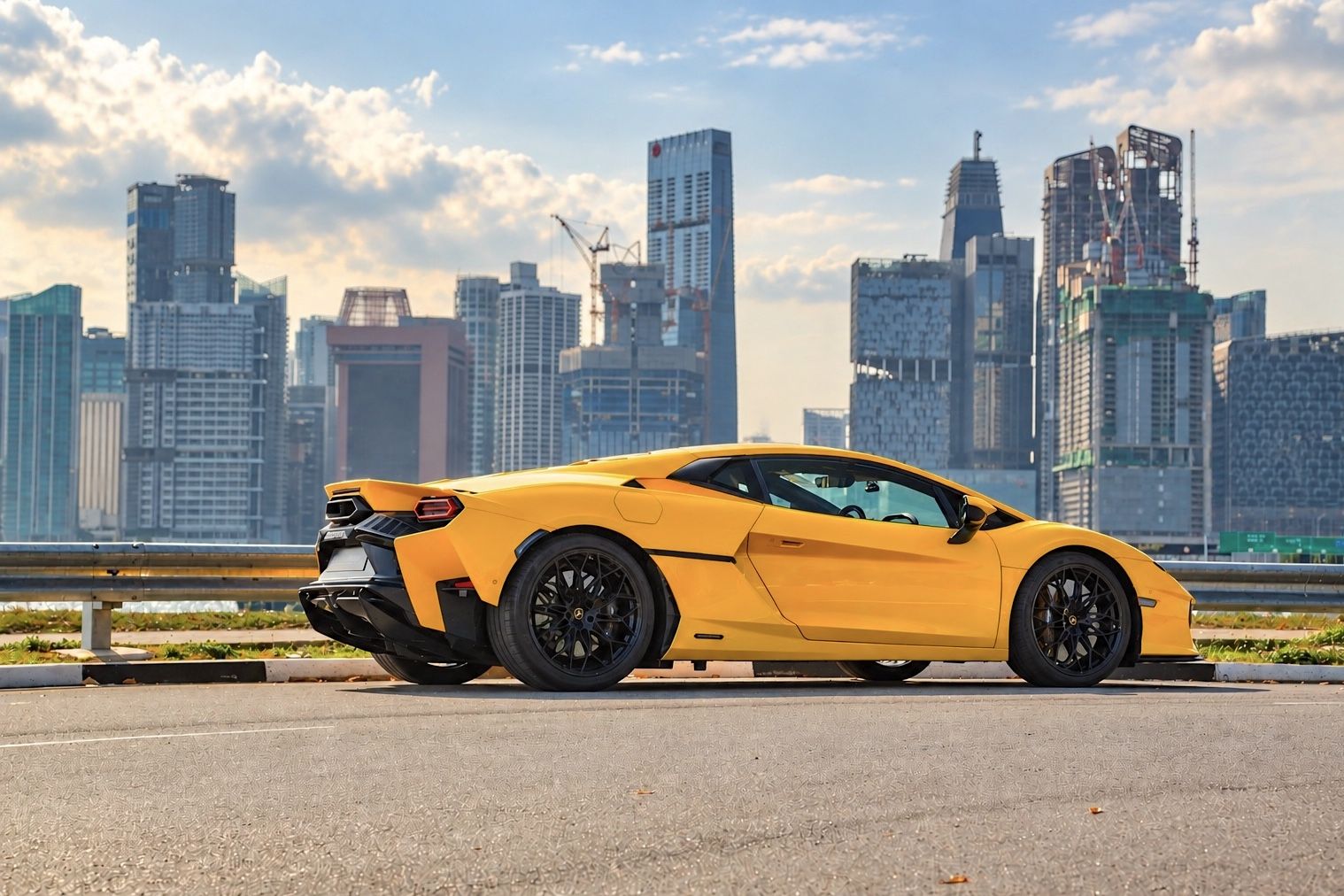
Except Lamborghini hasn't attempted to recreate the Huracán. Instead, it has built something technologically far more complicated: A plug-in hybrid supercar with a twin-turbocharged V8, three electric motors and all-wheel drive.
On paper, that sounds suspiciously like Lamborghini has finally surrendered to the electrified world. Drive it properly and you'll realise something rather different; the Italians haven't electrified the Lamborghini out of it. Instead, they've weaponised the electricity.
Powering It
Let's start with the masterpiece sitting behind you.
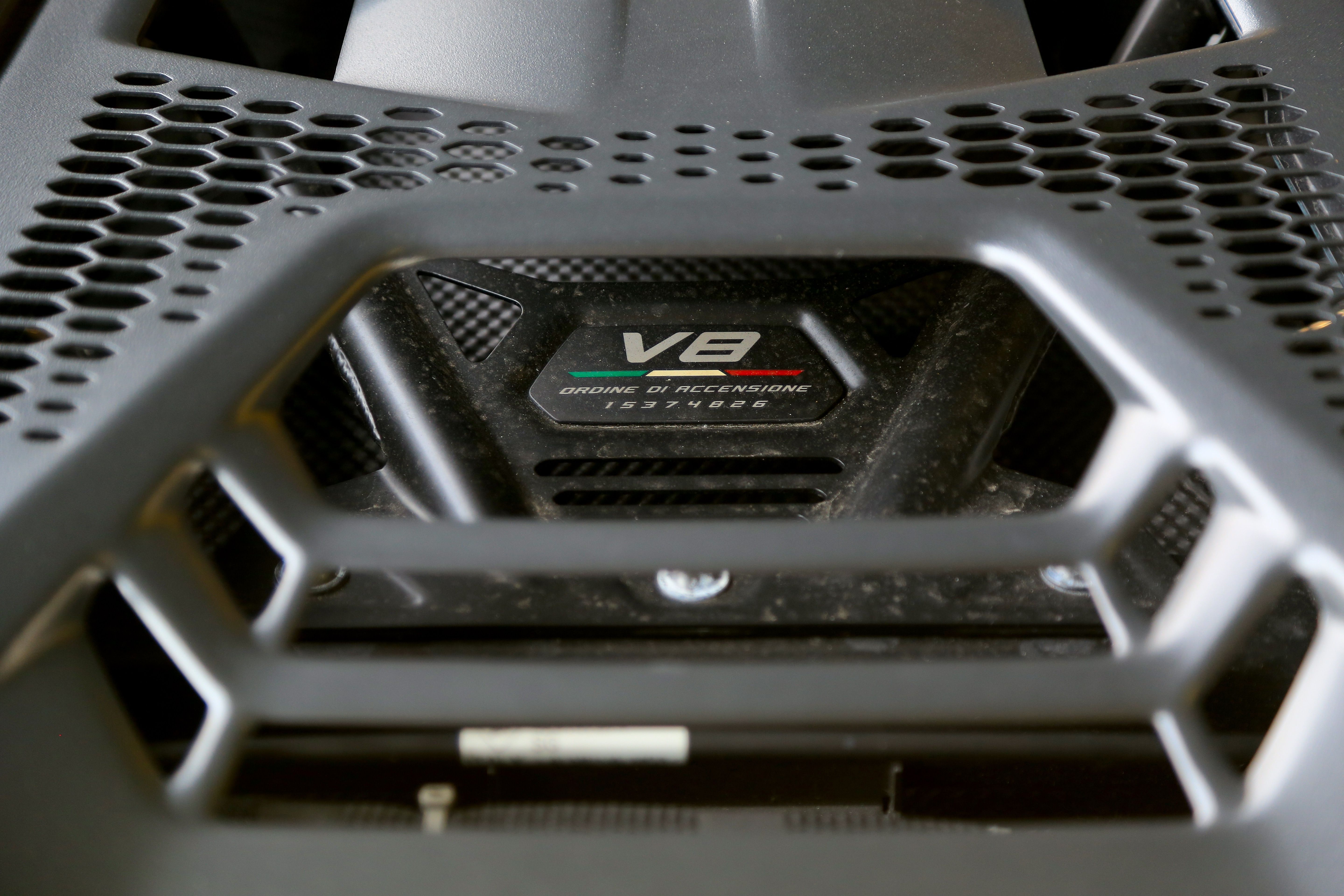
The Temerario uses a 3,995 cc twin-turbocharged flat-plane-crank V8, developed from scratch by Lamborghini. The combustion engine alone produces 800 CV between 9,000 and 9,750 rpm, with 730 Nm available between 4,000 and 7,000 rpm.
More remarkably, it revs to 10,000rpm. Yes, you read that right.
Titanium connecting rods reduce rotating mass, while Diamond-Like Carbon-coated finger followers help the valvetrain survive those extraordinary engine speeds - this isn't simply an existing V8 with some electric assistance thrown at it to satisfy an emissions spreadsheet. It feels engineered by people who still enjoy engines.
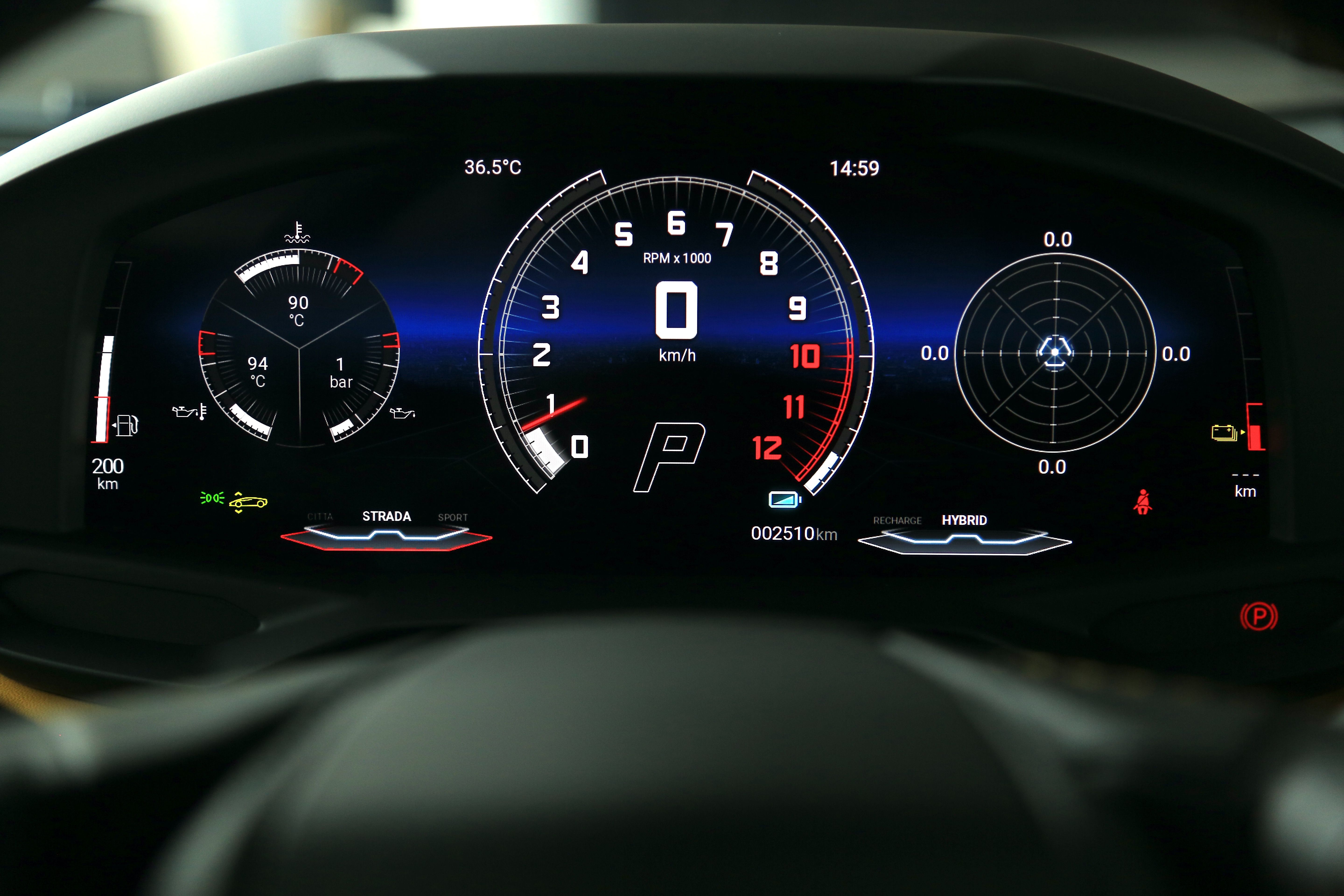
Three electric motors join the party: Two operate at the front axle, providing electric all-wheel drive and torque vectoring, while another sits between the V8 and the new eight-speed dual-clutch transmission. The result? A combined output of 677 kW.
Singapore specifications translate that to around 907 bhp, while the quoted 0-100 km/h time is a blistering 2.7 seconds. Keep your foot buried and 200 km/h arrives in under 7.3 seconds. Top speed is 343km/h.
Numbers are one thing; experiencing them is quite another.
The Drive
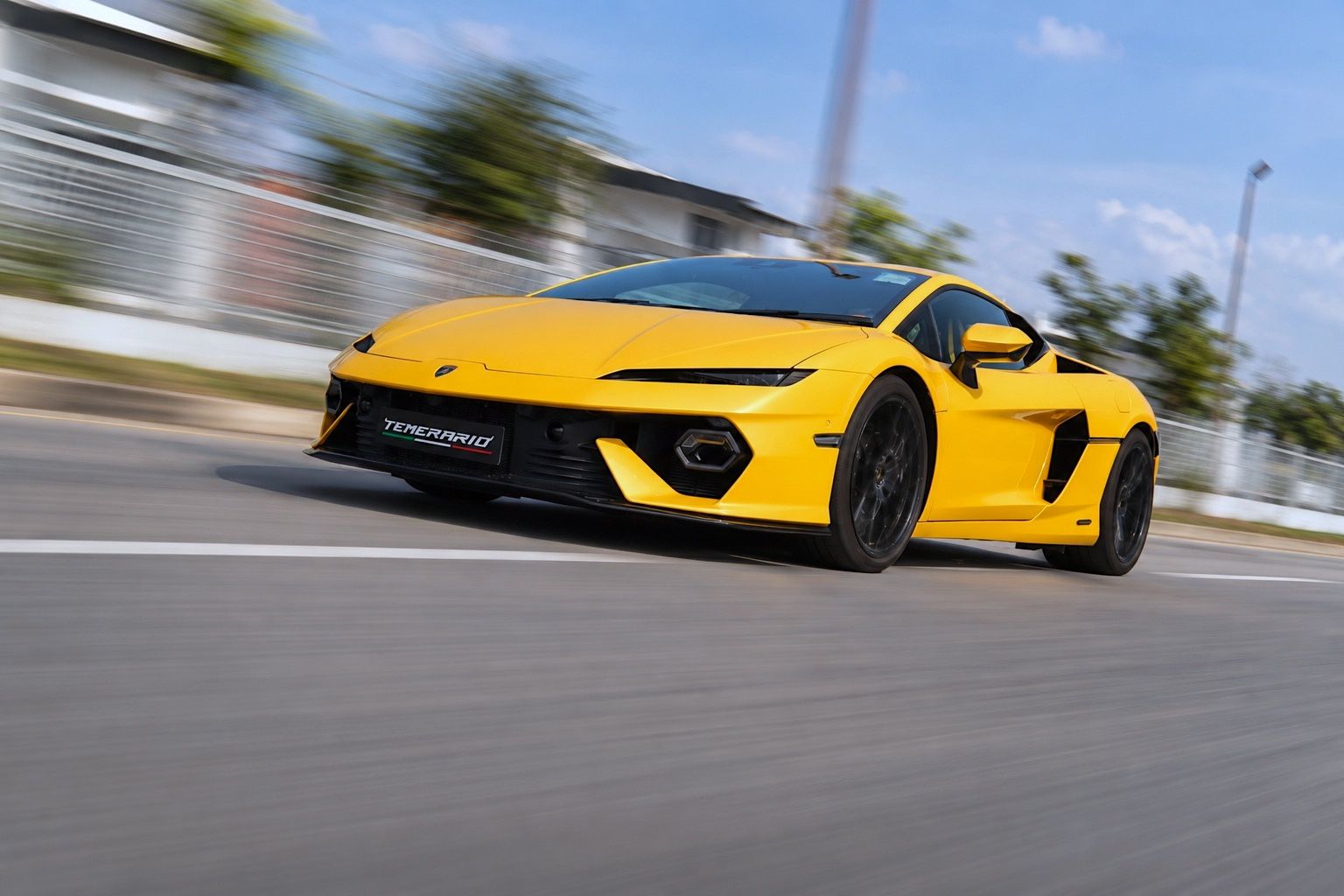
Floor the Temerario without mentally preparing yourself and there is a genuine moment where your brain struggles to process what your body is experiencing: The electric motors respond immediately. Then the V8 arrives. Then the turbos are properly awake.
And suddenly, the scenery isn't approaching you anymore. It is being fired past the windows
That 0-100 km/h figure doesn't adequately describe how savagely the Temerario gains speed once everything is working together. Barely legal velocities appear with alarming ease.
But acceleration isn't actually the best part - the engine is.
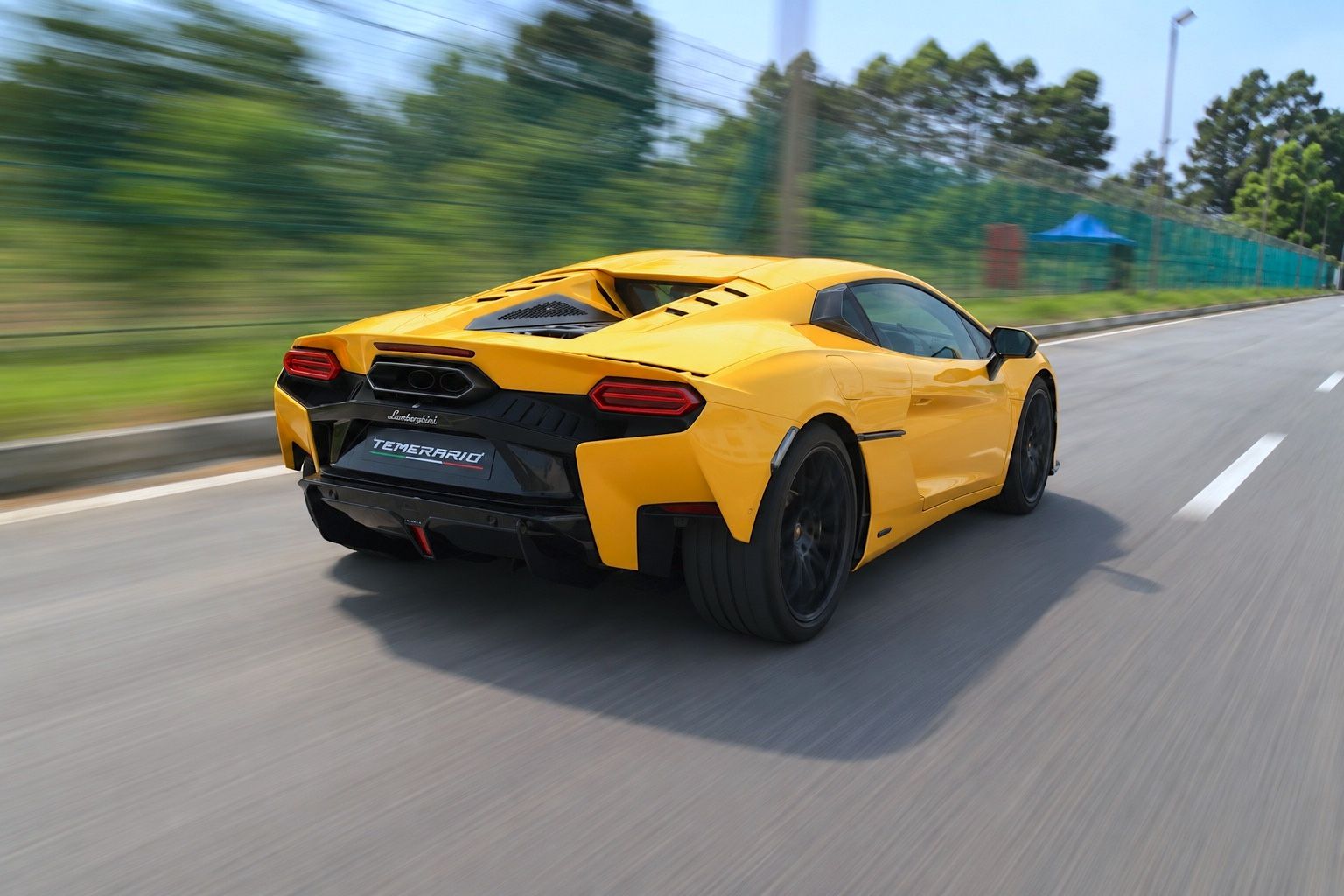
Let it climb towards 10,000 rpm and the character changes completely. There's an increasingly frantic mechanical scream behind your head that encourages you to hold each gear for just a little longer.
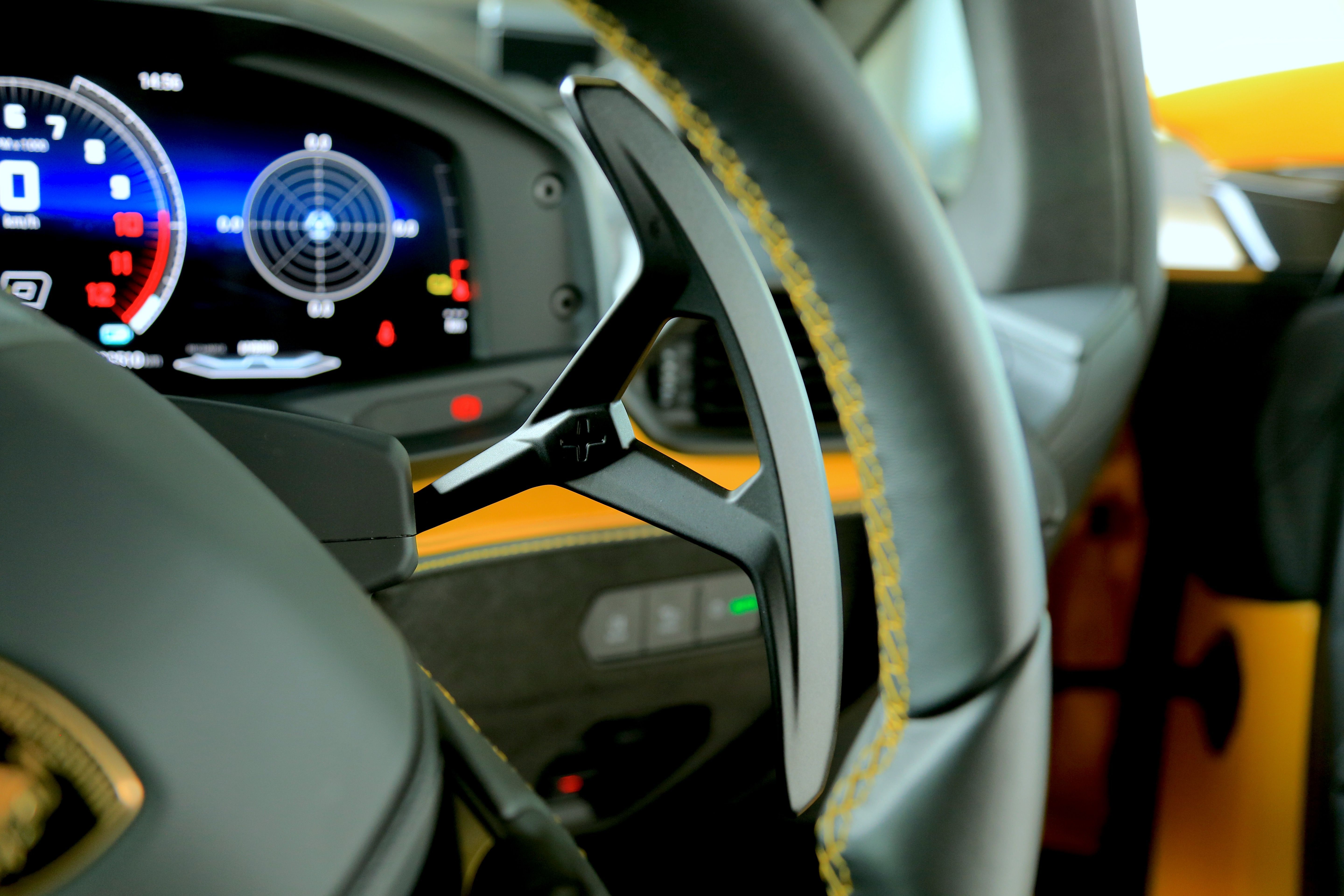
And those gears matter. Rather than allowing the eight-speed DCT to make every decision, select manual mode and start using those magnificent metal paddles.
First. Second. Third. Fourth. Fifth. Sixth. Brake hard. Sixth becomes fifth, fourth, then third. Turn in. Accelerate. Third stretches towards that ridiculous redline. Pull the right paddle. Fourth. Another bend approaches. Left paddle. Third again. And repeat.
After a while, something strange happens - you start hoping the corners don't end.
For something carrying a V8, turbochargers, three electric motors and a battery, the Temerario disguises its complexity remarkably well.
The steering deserves much of the credit - it is wonderfully immediate without becoming nervous, but more importantly, it communicates. You're constantly aware of what the front tyres are doing.
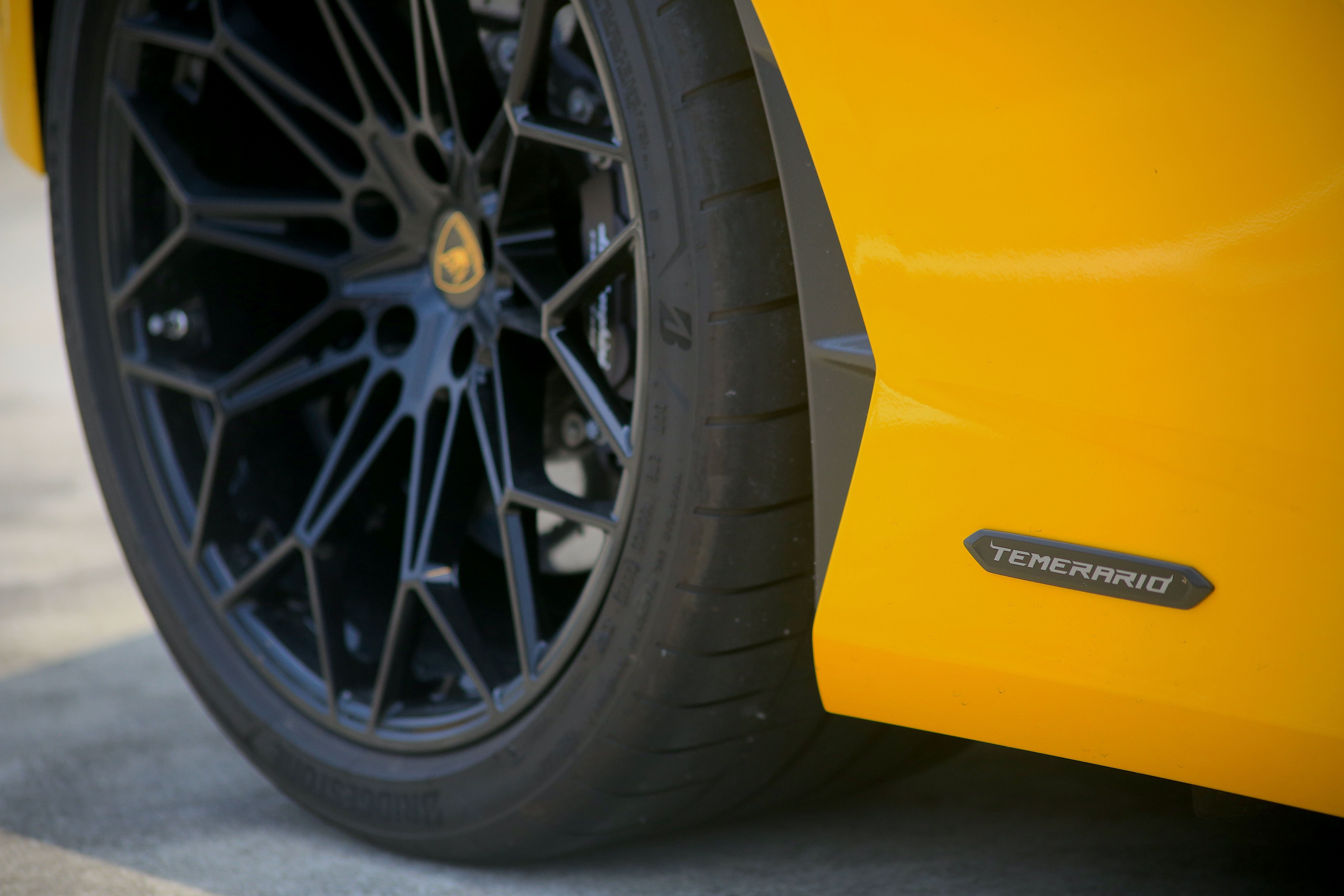
And there's some serious rubber connecting them to the road. The Temerario runs a deliberately staggered setup of Bridgestone Potenza Sport tyres, measuring 255/35 R20 at the front and a substantial 325/30 R21 at the rear.
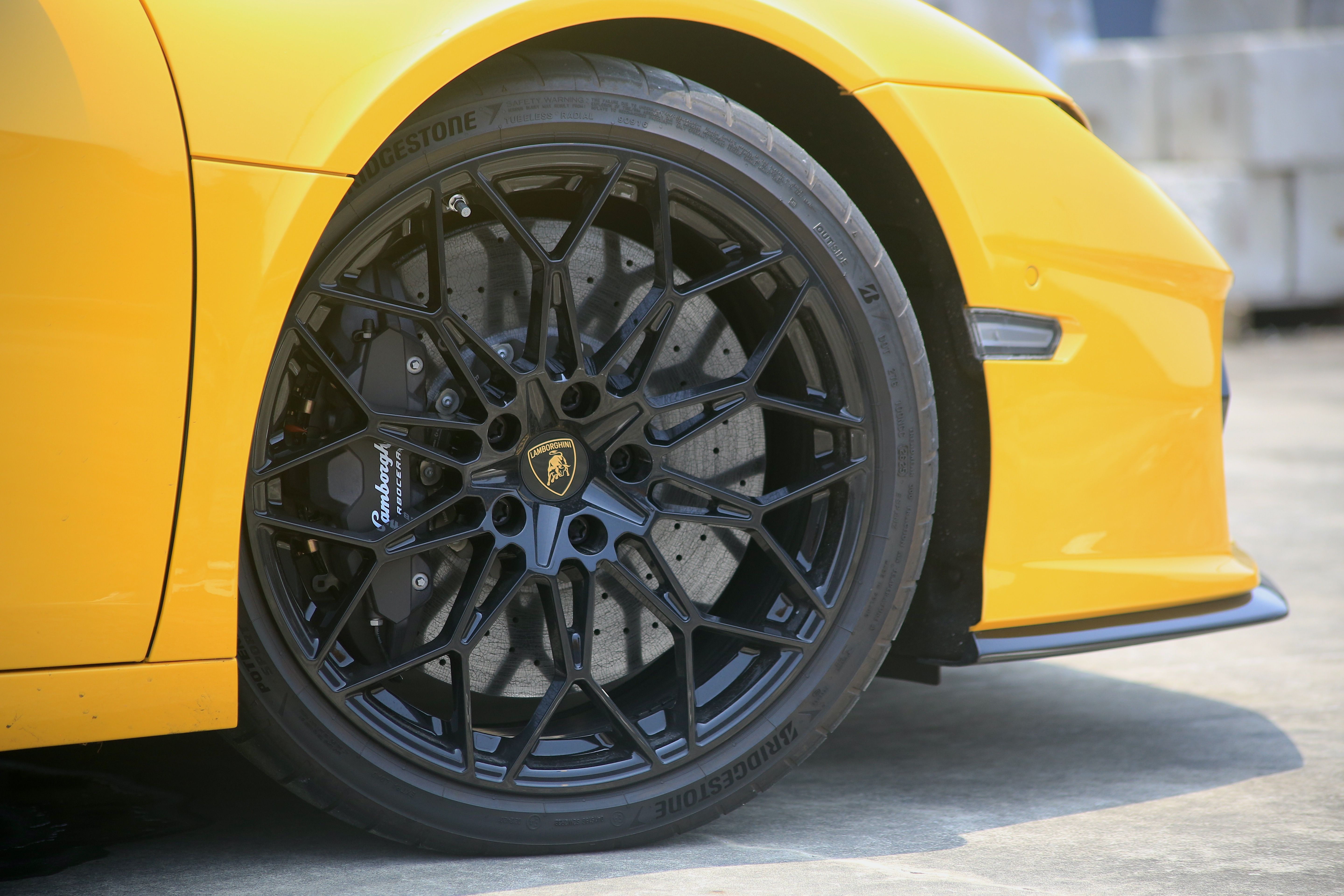
Those aren't simply impressive numbers to quote at Cars & Kopi. The comparatively narrower 20-inch front setup contributes to the car's wonderfully incisive turn-in, while those enormous 325-section rear tyres have the unenviable task of helping deploy the Temerario's performance onto the tarmac. Together with the all-wheel-drive system and active torque distribution from its front electric motors, the available traction can seem almost absurd.
But outright grip isn't what impressed me most - it's how much information still gets through. A change in road surface, small compression, little bump midway through a corner - you feel it.
That's important because modern performance cars can occasionally become so capable that the driver is reduced to someone issuing instructions to computers.
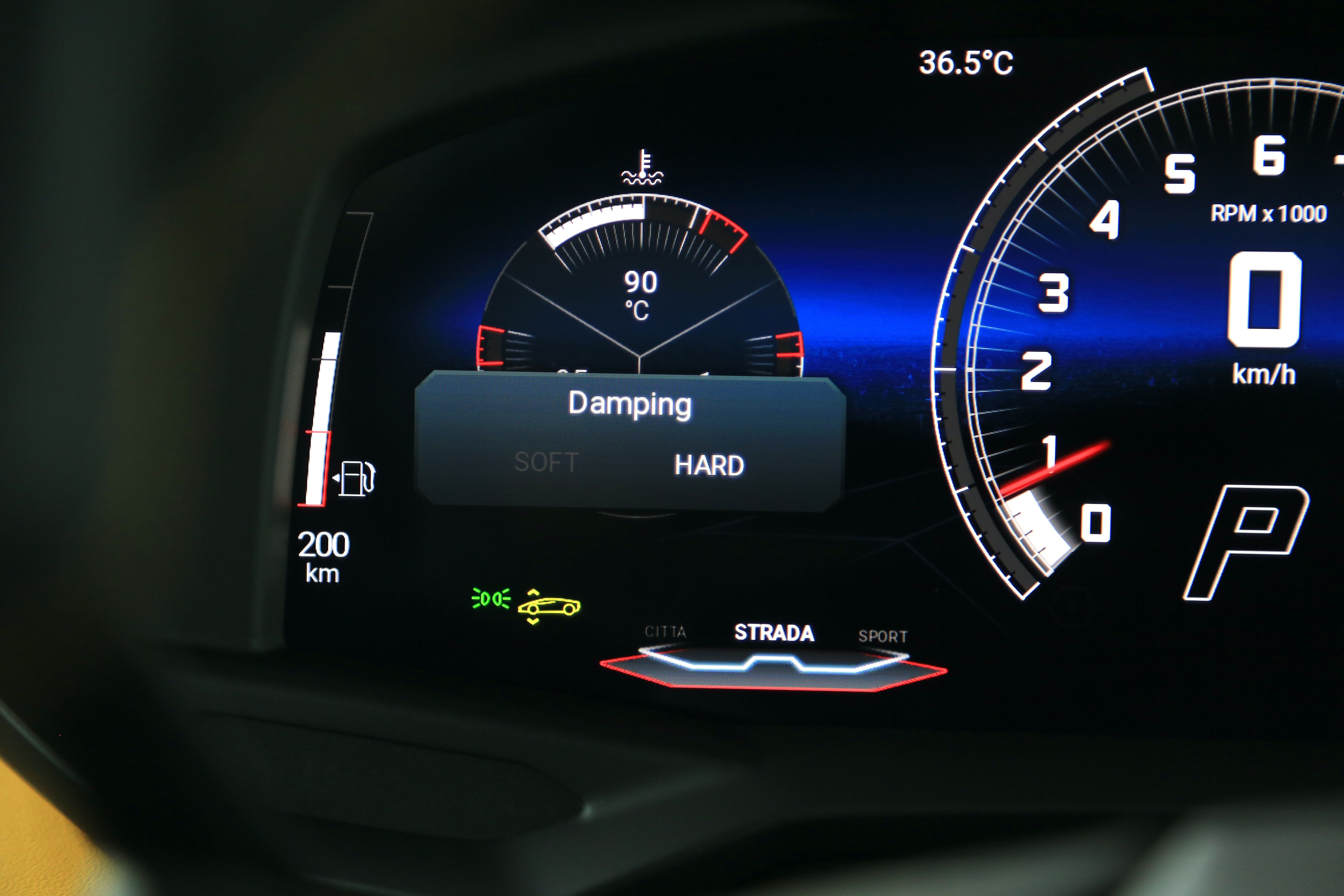
The Temerario doesn't feel like that. Lamborghini's LDVI 2.0 vehicle-dynamics system is continuously managing an enormous amount behind the scenes, while the front electric motors provide torque vectoring. Yet, the electronics aren't constantly announcing their involvement.
Instead, they seem to work towards making you feel more involved.
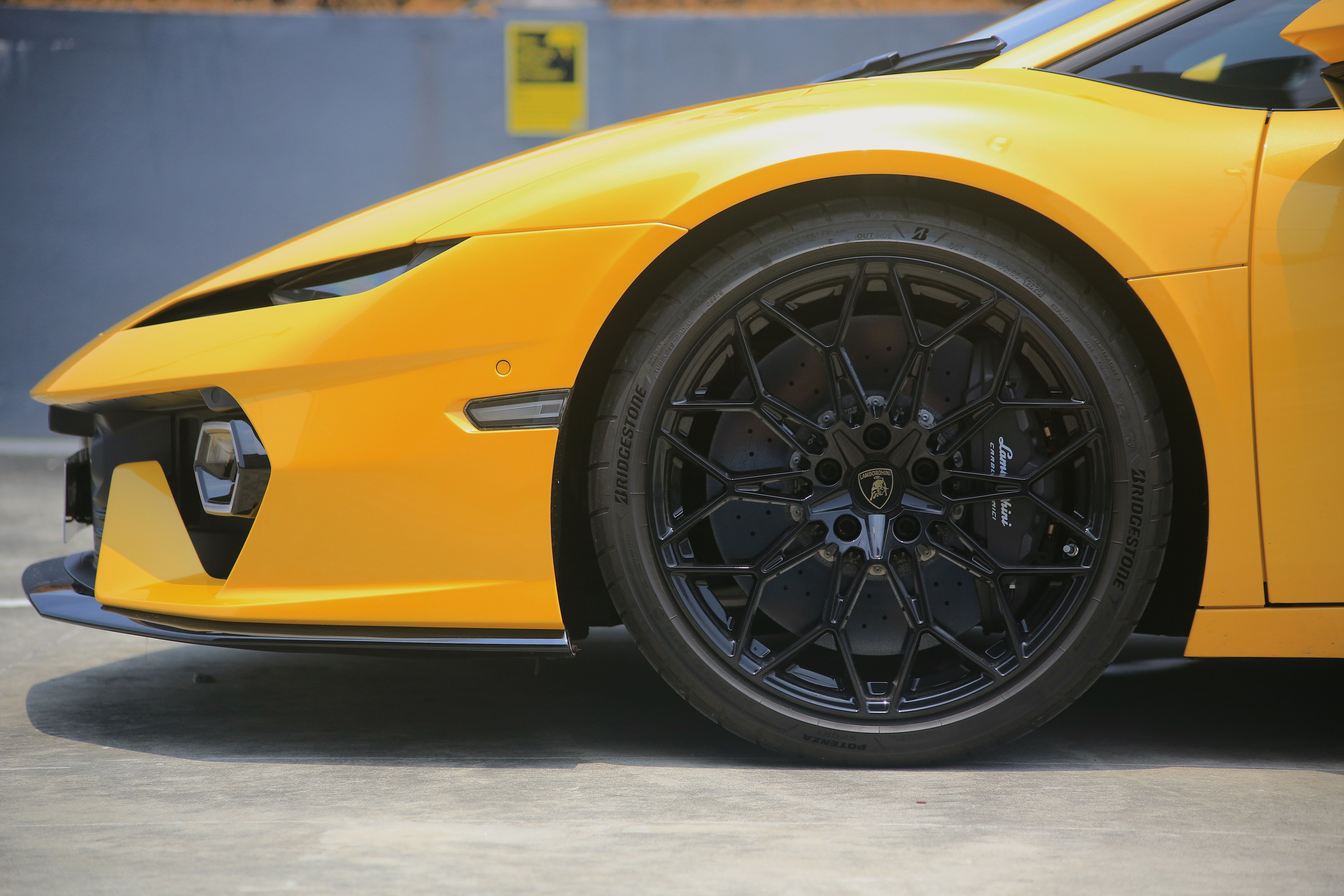
Point the nose towards an apex and the response is immediate. Feed the throttle in and the car feels beautifully tied together, allowing you to establish a rhythm remarkably quickly. There's huge mechanical grip underneath you, certainly, but importantly you don't feel completely insulated from the process of exploiting it.
The brakes are similarly extraordinary. Pedal response is immediate, stopping power immense and modulation reassuringly precise. In fact, the Temerario's brakes occasionally feel telepathic - they're already preparing to stop the car while your right foot is still considering submitting the paperwork…
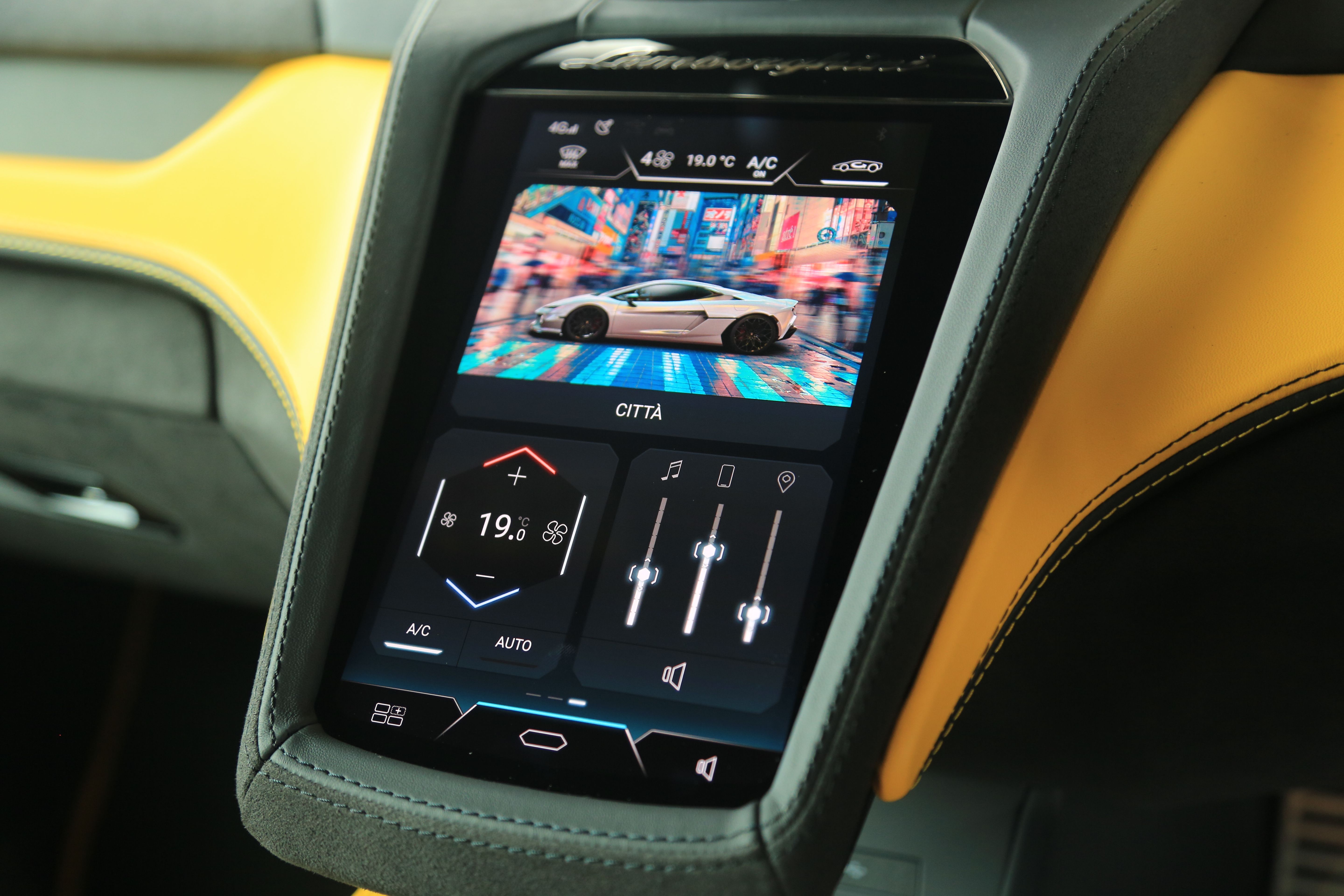
Technologia!
Here's one of the stranger contradictions about the Temerario: It doesn't necessarily announce itself every time you start it.
At start-up, Città mode allows the car to operate entirely on electric power, drawing energy from its compact 3.8 kWh lithium-ion battery, mounted longitudinally within the central tunnel beneath the centre console.Lamborghini quotes around 10 km of electric-only driving.
Ten kilometres isn't going to worry anyone selling conventional EVs, obviously, but that's missing the point. Think about starting a Temerario in an underground condominium carpark early in the morning.
Instead of firing a twin-turbo V8 into life and simultaneously informing ten floors of residents that you're going out, Città lets you quietly creep out on electricity.
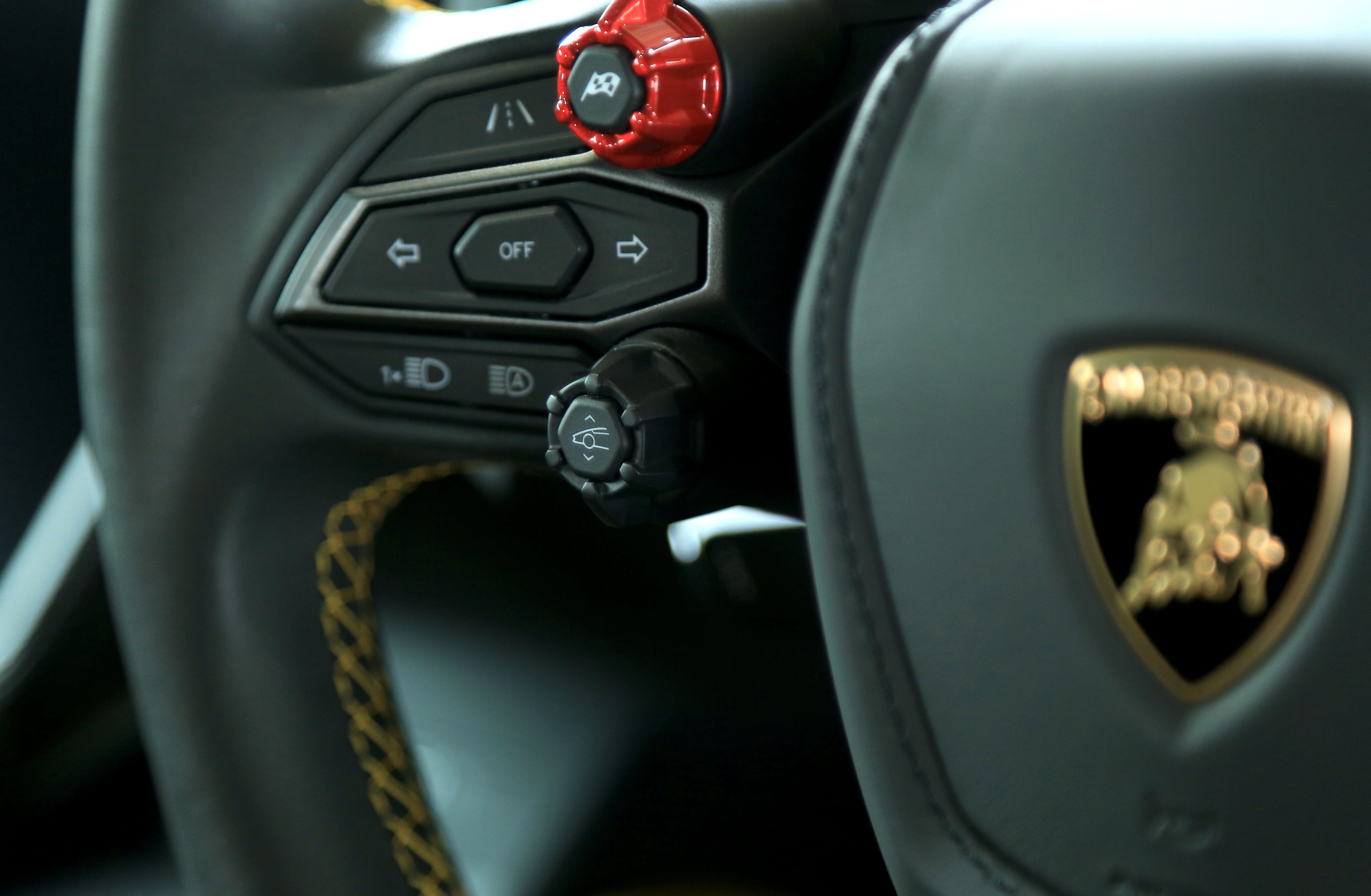
There's another button you'll probably become acquainted with rather quickly in Singapore: Front lift.
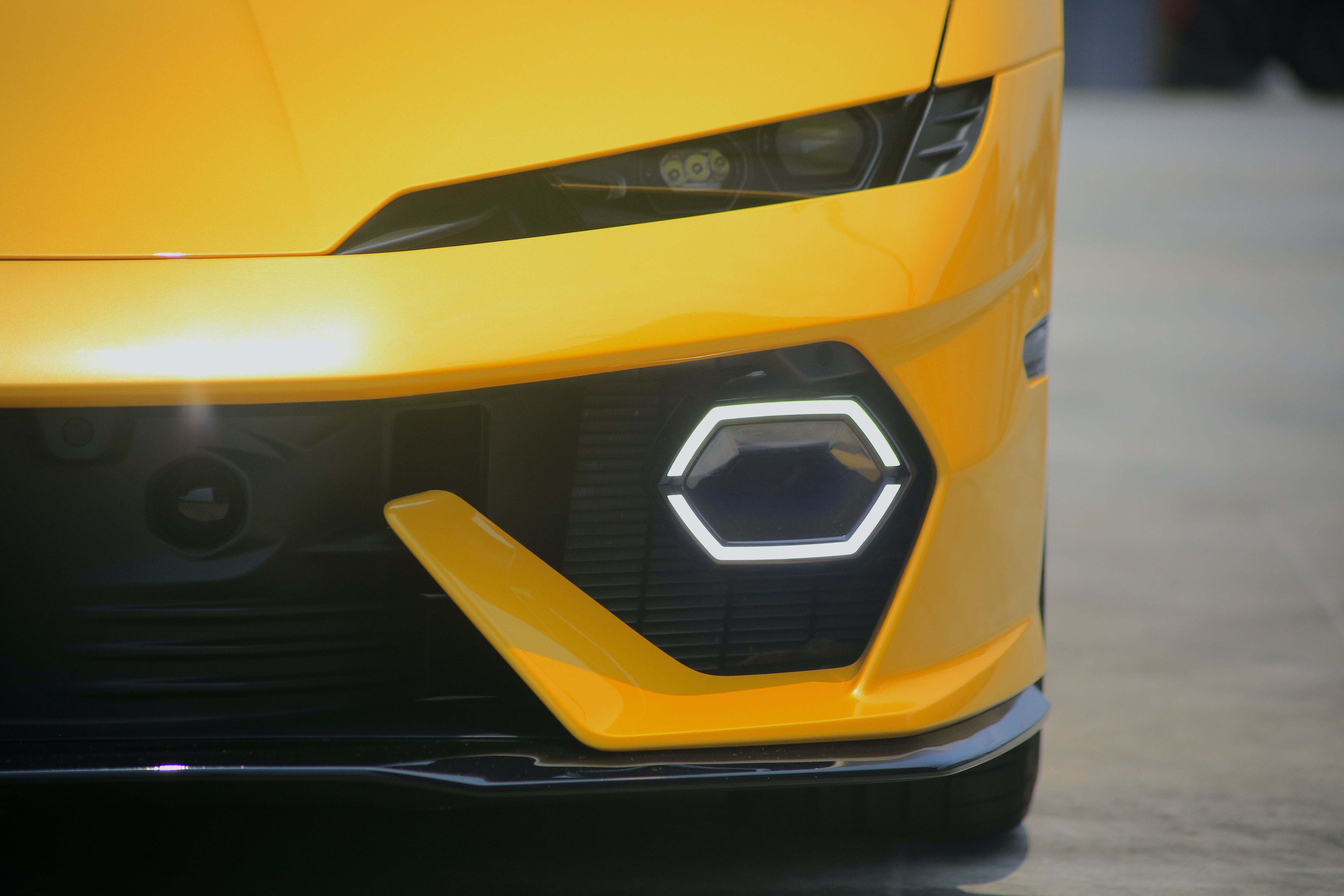
Activate it and the system raises the Temerario's nose by 40 mm, providing some much-needed additional clearance for steep carpark ramps, awkward entrances and our more ambitious speed humps.
In a conventional car, an approaching ramp barely warrants a second thought. In something this low - and this expensive - it can become a minor engineering assessment conducted from the driver's seat.Angle correct? Ramp too steep? Is that scraping noise real or merely the sound of my wallet experiencing anxiety? Press the lift button and much of that stress disappears…
Combined with Città, it makes the Temerario surprisingly civilised when negotiating the least glamorous part of supercar ownership: Getting out of the carpark without waking the neighbours, or donating some carbon fibre to the ramp.
Then, once you're somewhere more appropriate, you can lower the nose and wake the monster. For a Lamborghini, that's an unexpectedly considerate collection of party tricks.
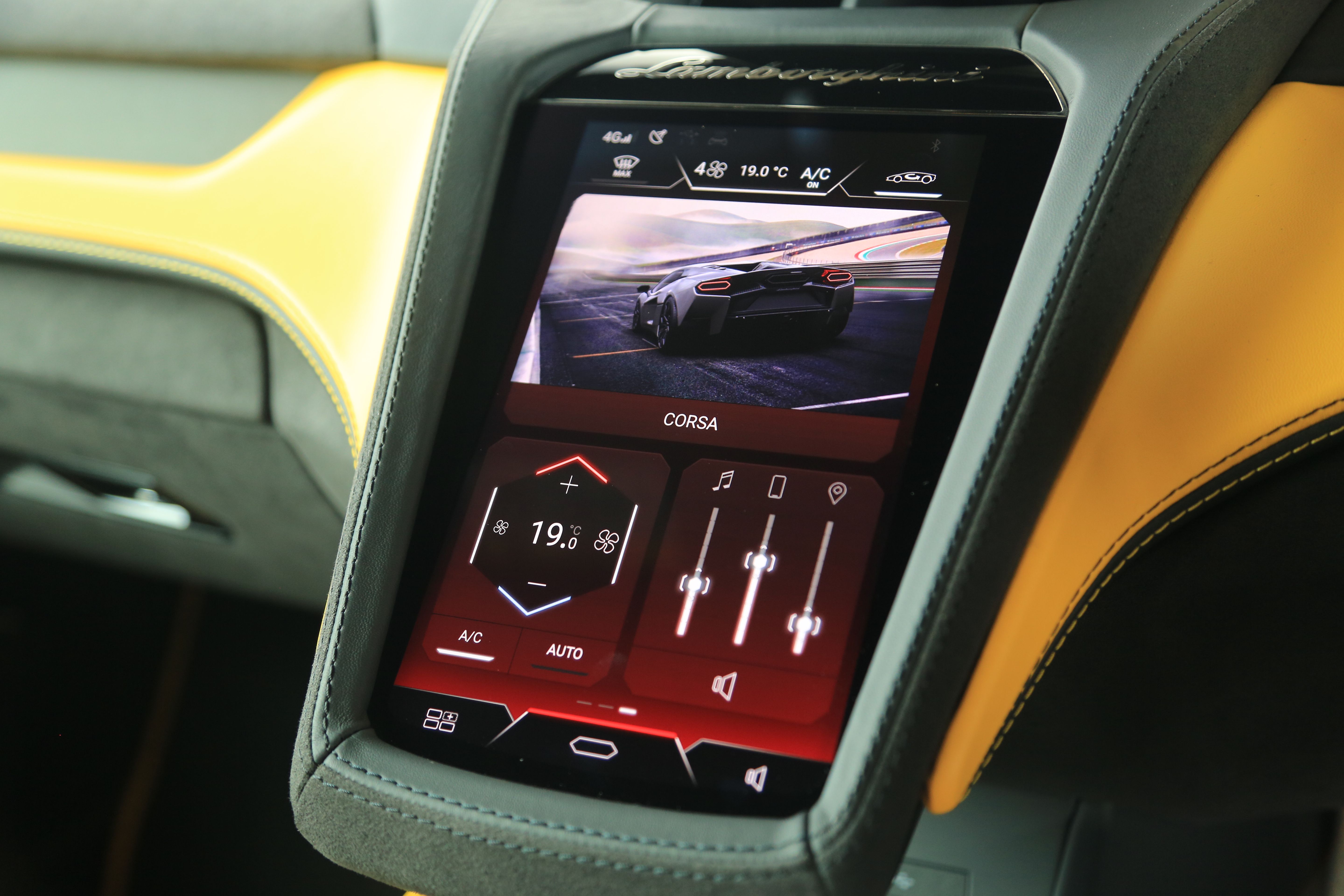
From there, the Temerario offers Strada, Sport and Corsa settings, which combine with its hybrid strategies to provide different driving experiences.
For Singapore roads, Strada became my default. There's enough sharpness to remind you that you're piloting something deeply serious, while the suspension offers what I'll generously describe as half-comfort.
Well, nobody buys a Lamborghini expecting Lexus levels of isolation anyway…
Move into Sport and everything becomes more alert: Gearbox, drivetrain and chassis responses intensify, while the V8 becomes considerably more vocal.
Corsa is where the Temerario stops pretending it has manners.
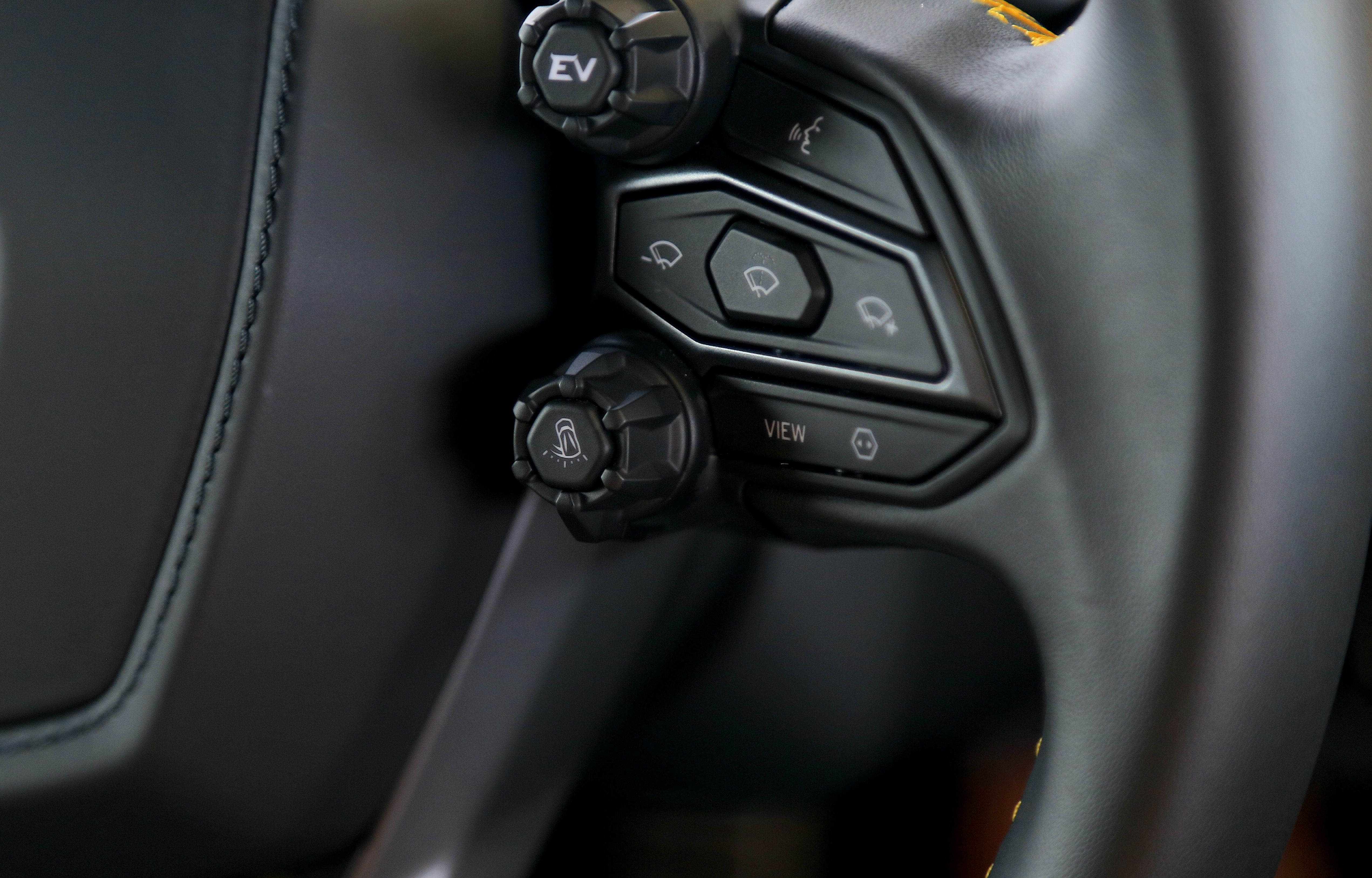
Oh, have I mentioned there is Drift Mode? Three levels allow progressively greater yaw angles, effectively giving you some say over just how sideways you would like your $1.7-million Lamborghini.
I stared at the control button. My inner hooligan said yes; however, my bank account, insurance implications and basic survival instinct held an emergency meeting and unanimously voted no. Which is probably wise.
There's also that wonderful chequered-flag button on the steering wheel. Hold it for two seconds and Launch Control is activated. Useful, presumably, when the EV beside you at the traffic lights appears unusually interested in what happens when the lights turn green.
Not that OneShift encourages such behaviour, obviously, but you know you could.
Controversial Rear
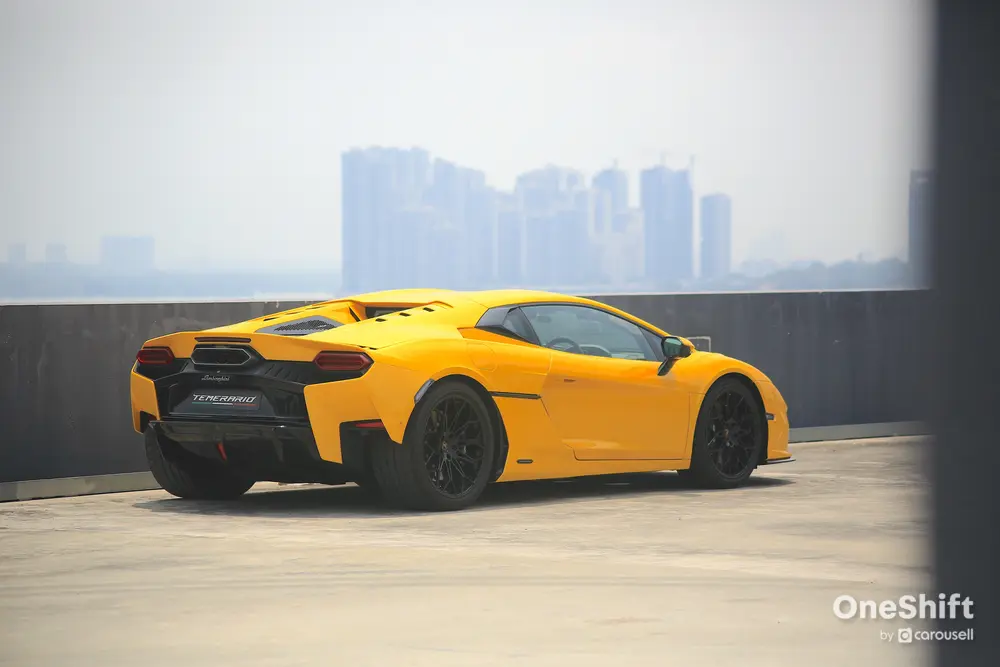
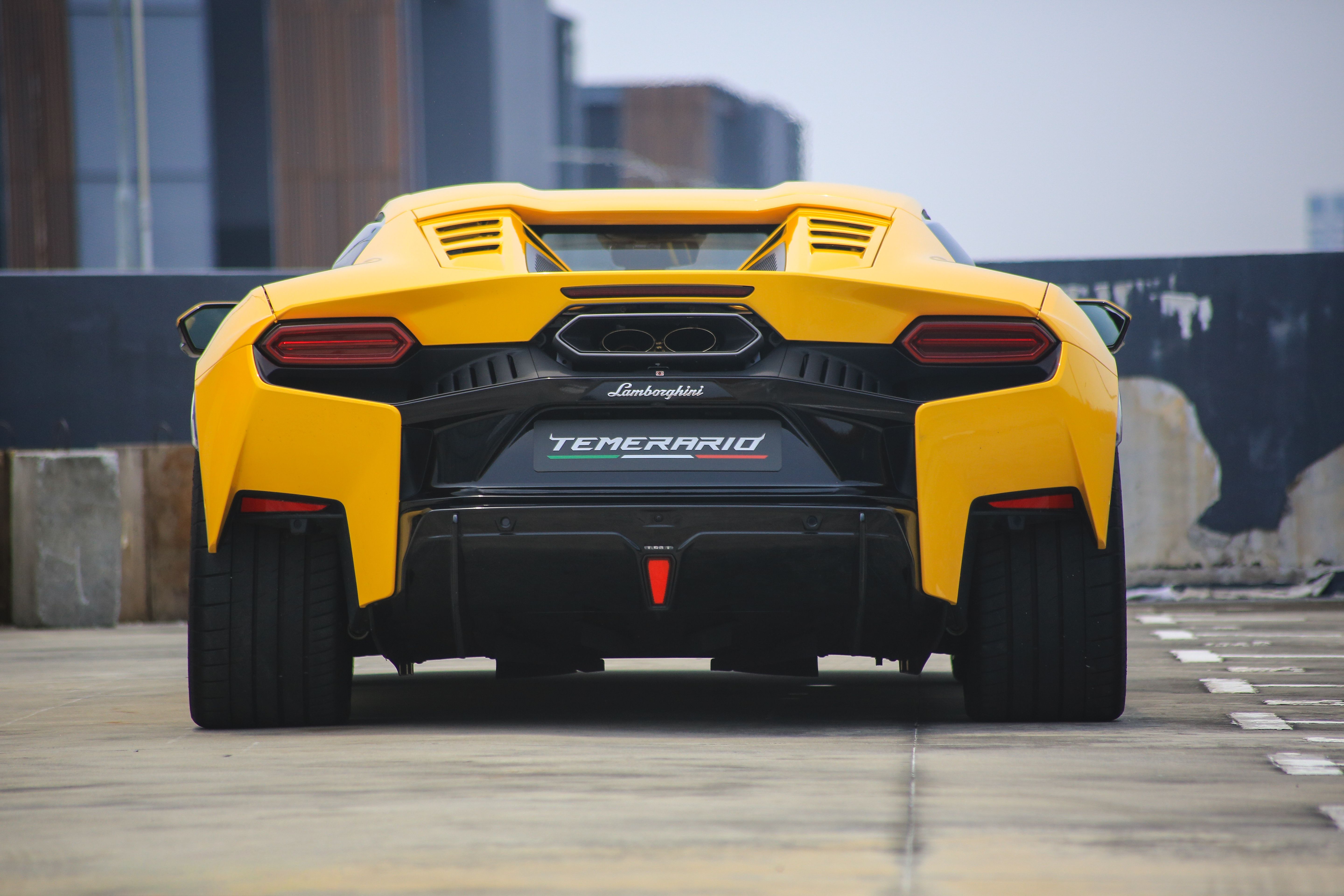
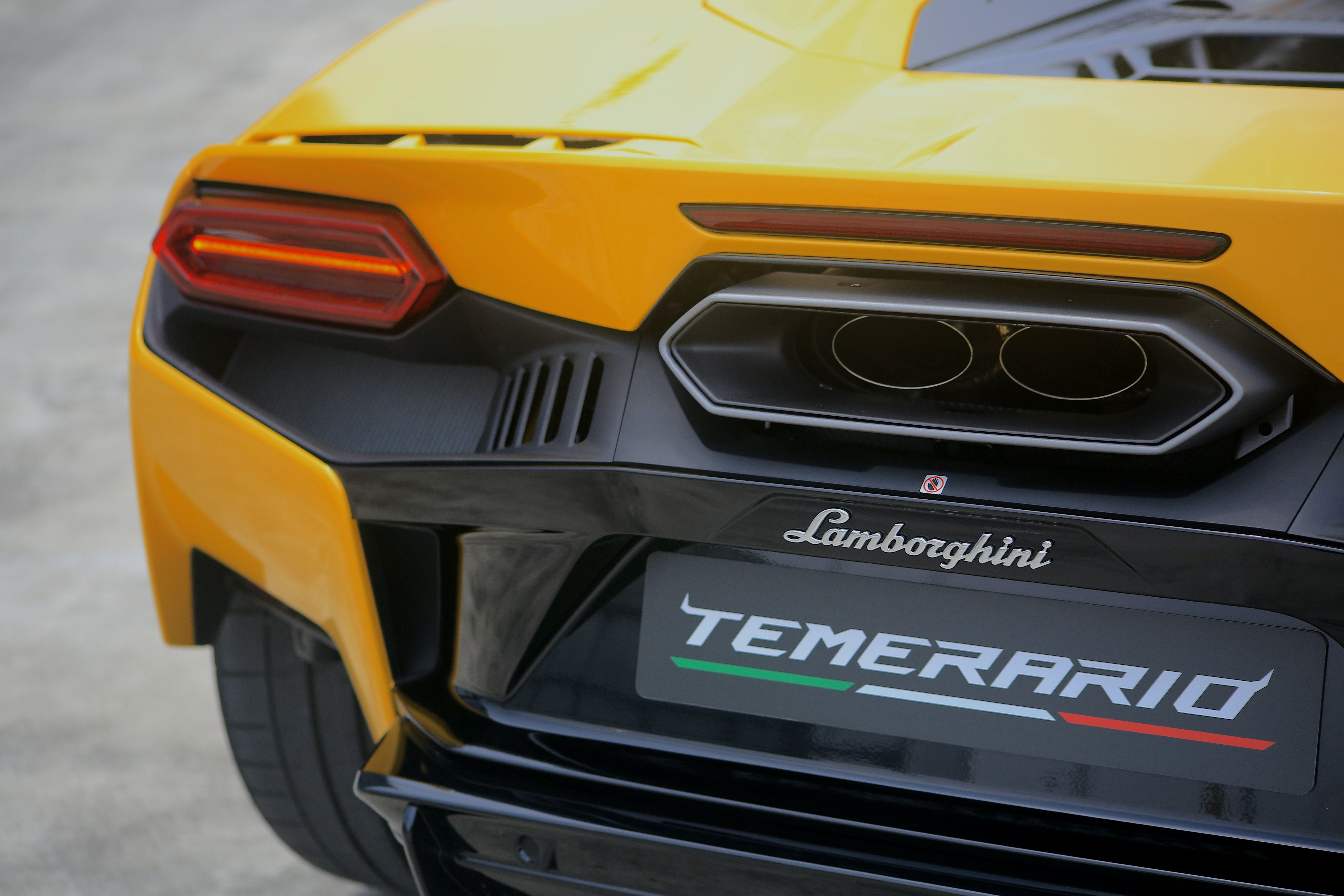
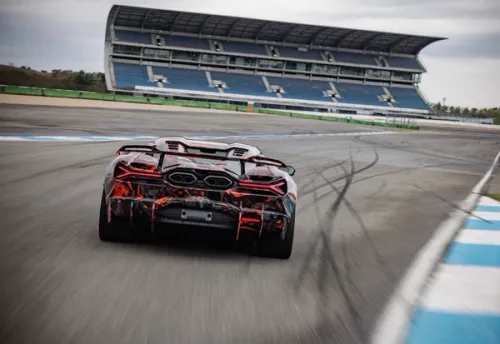
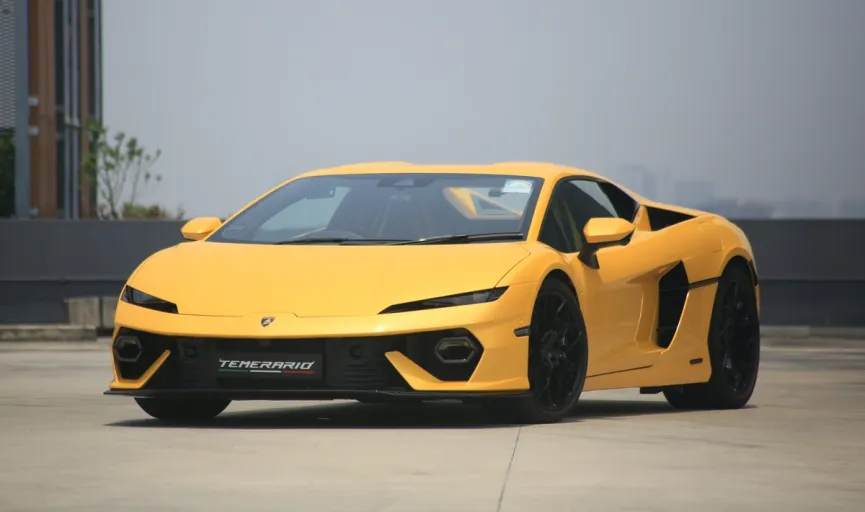
The Temerario looks unmistakably Lamborghini, but the rear is perhaps its most controversial angle - particularly because you can see so much rear tyre.
And when said rear tyre is wide, there is rather a lot of it to see.
During my time with the car, I noticed something amusing: Drivers following behind tended to leave an unusually generous gap. Perhaps they were worried those enormous exposed tyres would fire road debris towards their windscreens; or perhaps nobody wanted to explain to their insurer how they had rear-ended a $1.7-million Lamborghini…
Either way, I grew to love it.
The openness isn't purely visual theatre. Aerodynamics played a major role in the Temerario's design, with Lamborghini claiming 103% more rear downforce than the Huracán EVO. Cooling performance has also been substantially improved, to cope with the demands of the hybrid powertrain.
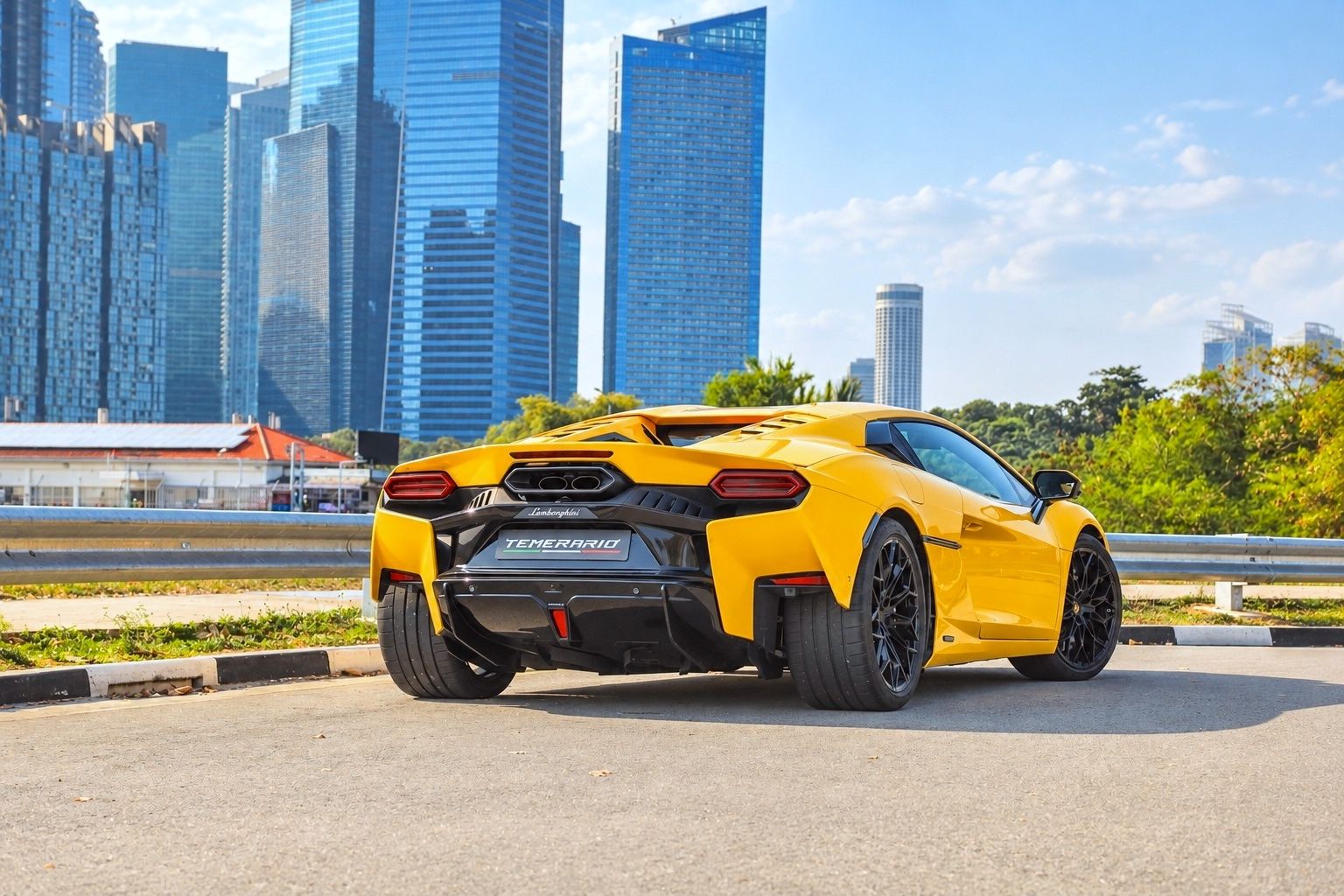
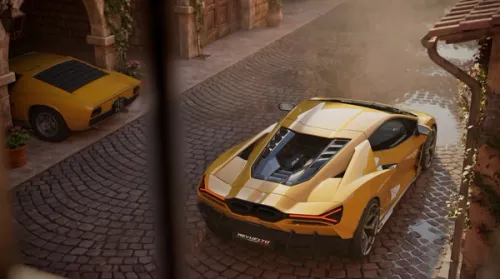
Look at the Temerario from its rear three-quarter angle and the exposed 325-section tyres, high-mounted exhaust, diffuser and beautifully sculpted bodywork almost resemble mechanical artwork. It's dramatic without merely adding decoration for drama's sake.
And somehow, exposing those enormous rear tyres makes the Temerario appear even wider, lower and more purposeful. It's as if Lamborghini finished designing the rear bumper, looked at it and decided: (In Italian accent) Actually, we don't need all of that.
The Inside Story
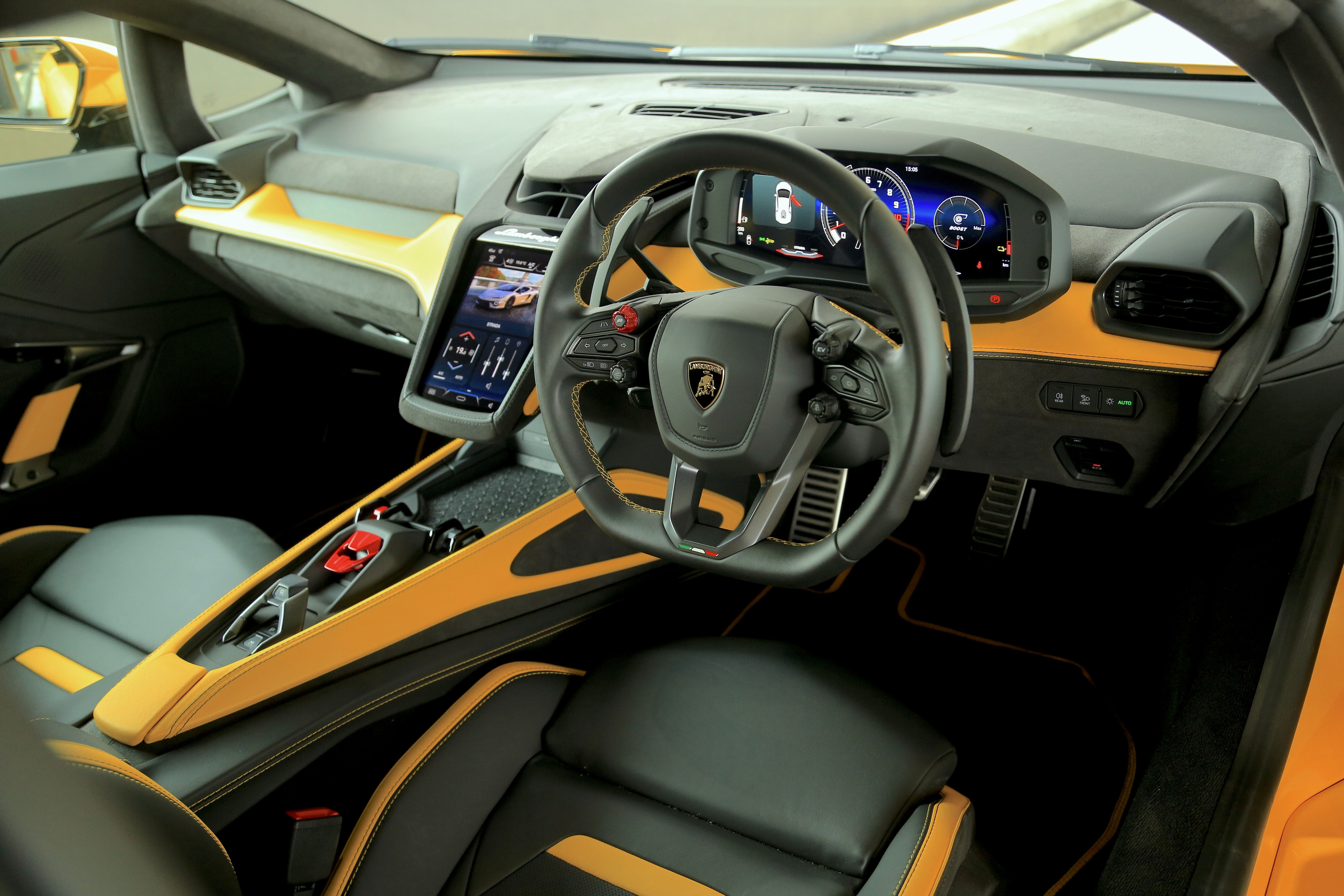
Inside, Lamborghini deserves praise for remembering that drivers occasionally need to operate things while driving.Controls are clearly identified and sensibly positioned. There are screens, naturally, but the cockpit doesn't force you to dig through menus just to make the car do something important.
The steering wheel is particularly good.Its size feels just right, its controls fall naturally to hand and those substantial metal shift paddles are wonderfully tactile.
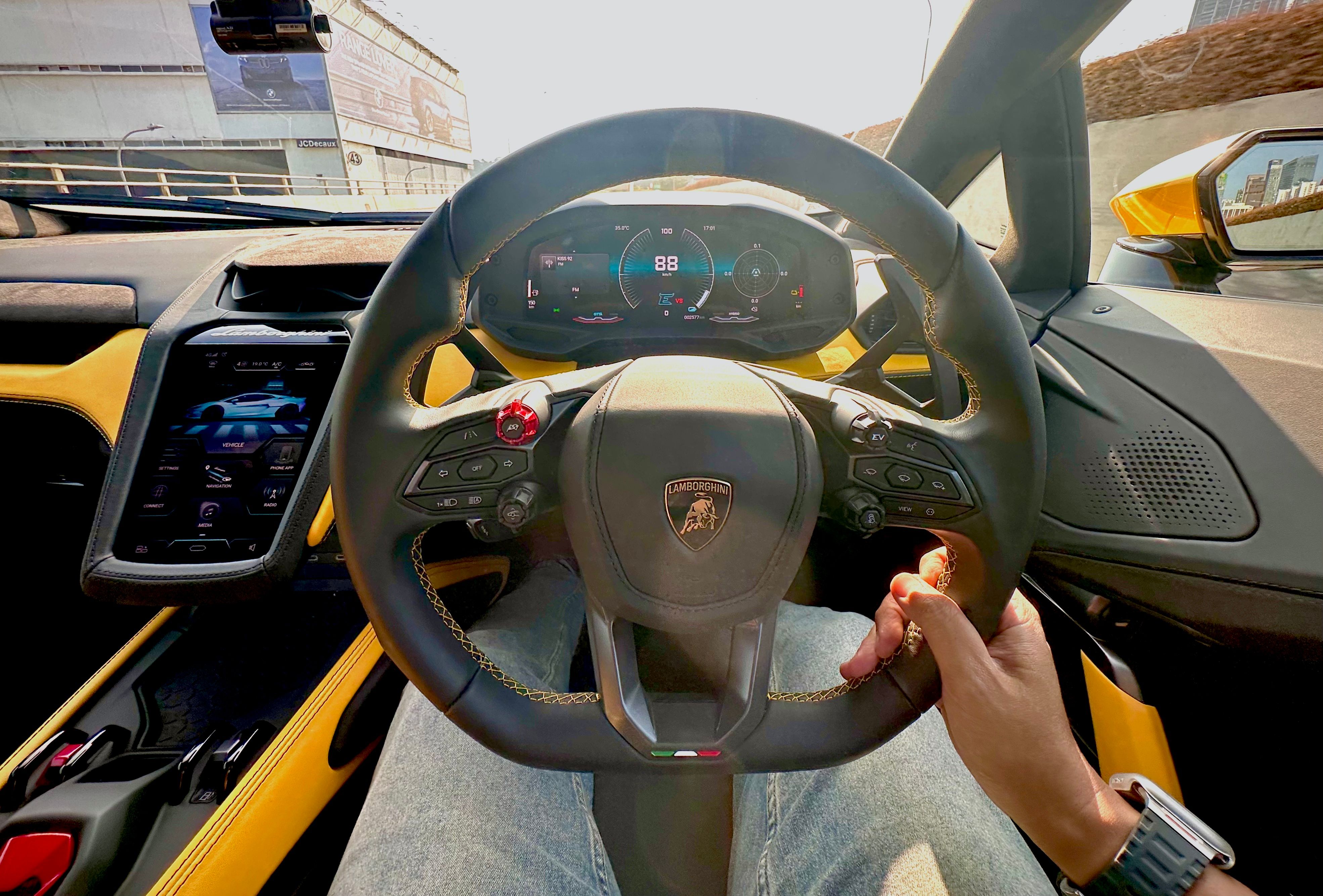
Frankly, they are reason enough to select manual mode. Click - third.Click - fourth. Then brake, grab the left paddle and hear the V8 flare as another gear disappears. It's a tiny interaction, but one that contributes enormously to the sense of occasion.
The sports seats deserve praise too. They grip you firmly without becoming instruments of torture and, speaking as someone who isn't exactly built like an Italian racing cyclist, they're genuinely comfortable.
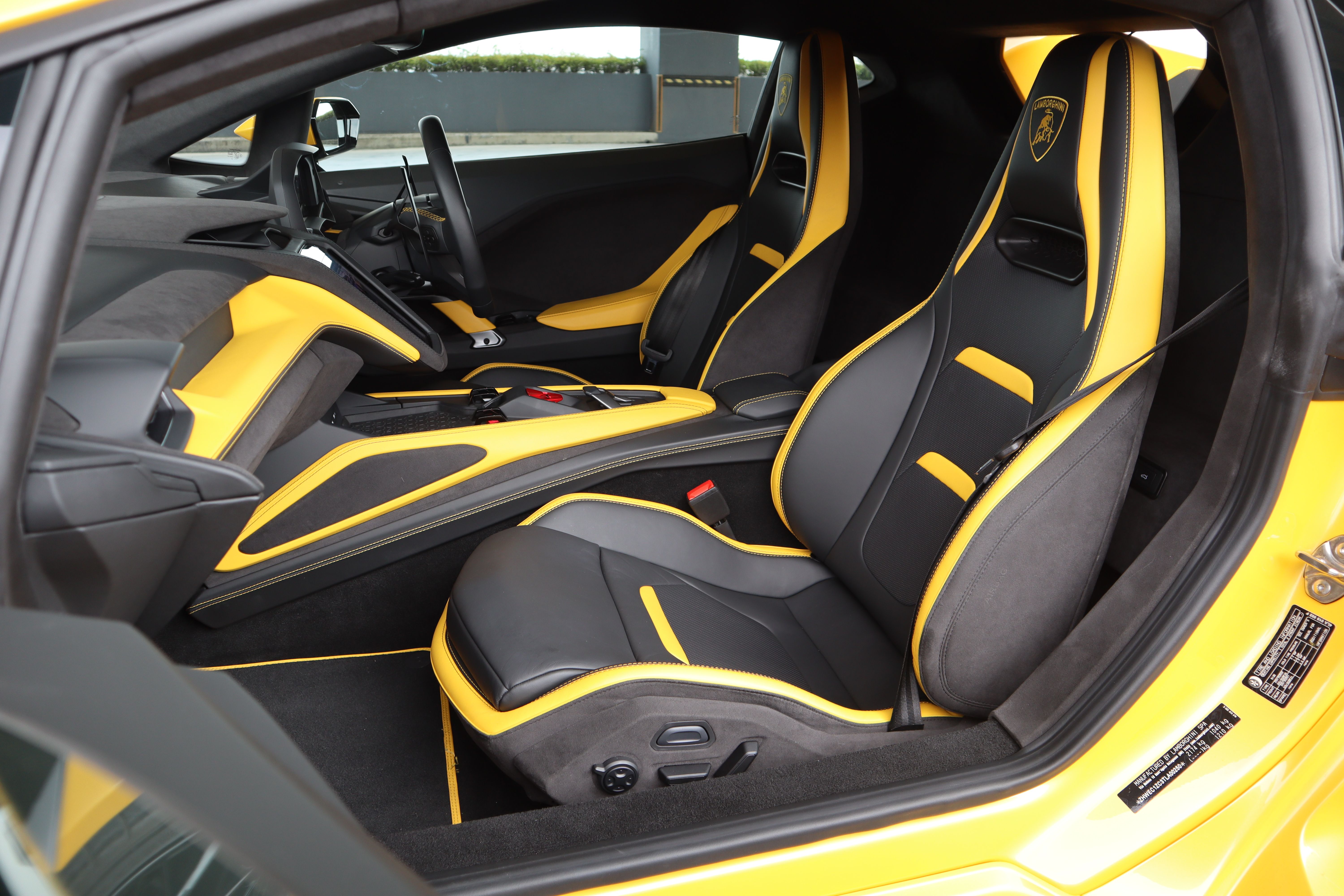
Lamborghini has also made the Temerario more accommodating than the Huracán, with greater headroom and legroom.These matters because this is a supercar you can actually spend meaningful time inside rather than merely tolerate between exciting stretches of road.
One ergonomic oddity took some adjustment though: The pedals feel noticeably offset towards the left.Initially, it feels slightly peculiar and requires some recalibration of your seating position.
You adapt. Then you find another tunnel, and forget about it…
In A Nutshell
Extraordinary performance has become, strangely, ordinary. Electric cars produce enormous horsepower figures, family SUVs can hit 100km/h in under four seconds. So simply being fast isn't enough anymore.
A Lamborghini has to make you feel something - and the Temerario does.
It could easily have become a victim of its own technology: Three electric motors, twin turbochargers, a battery, torque vectoring, all-wheel drive and enough electronics underneath to make the experience feel, well, synthetic.
Yet somehow, it doesn't.
The electrification provides instant response and helps produce 920 CV, but the V8 remains the star - that charge towards 10,000 rpm, those wonderfully tactile paddle shifts and the satisfaction of dropping from sixth into third before another bend remind you why driving still matters.
There's newfound civility too. It can silently leave the carpark in Città, raise its nose to clear the exit ramp, then become something completely unhinged once the V8 joins proceedings.
Yes, I miss the naturally aspirated V10. After driving the Temerario, however, I'm not mourning. Because the Temerario frightens you when you're careless with the accelerator, communicates through its steering and makes changing your own gears addictive. Most importantly, it makes you search for another corner simply to do it all over again.
And when the road eventually straightens, you don't remember how many electric motors it has; instead, you remember how it made you feel.
In an automotive world obsessed with electrification, software and numbers, that's perhaps the Temerario's greatest achievement. It proves the future of the supercar doesn't have to be less emotional or involving.
Hence, the Temerario isn't merely one of Lamborghini's most technologically accomplished cars - it is one of its finest.
Technical Specification - Lamborghini Temerario
Power/Torque: 907 bhp (combined)/730 Nm
Engine type: V8 Twin Turbocharged
Hybrid system: Plug-in, 3.8 kWh battery
Capacity: 3,995 cc
Fuel tank: 68-litres
0-100 km/h: 2.7 seconds
Top speed: 343 km/h
Efficiency: 14L/100 km
Agent: Eurosports Auto
Photos by Azfar Hashim (@azfar.talks)
---
Before you buy or sell your car, Carousell first.
Carousell Autos. Singapore’s largest direct owner marketplace for everything cars and motorcycles.


Get the Best Price for your used car
from 500+ dealers in 24 hours






 Convenient and Hassle-Free
- Consumer Protection
Transparent Process
With No Obligation


